Ahead of Ramadan, Indian schools in the UAE are adjusting examination routines, revising schedules and timings to support students and staff while accommodating fasting hours and wellbeing needs.
Ahead of Ramadan, Indian Schools in the UAE Adjust Examination Routines
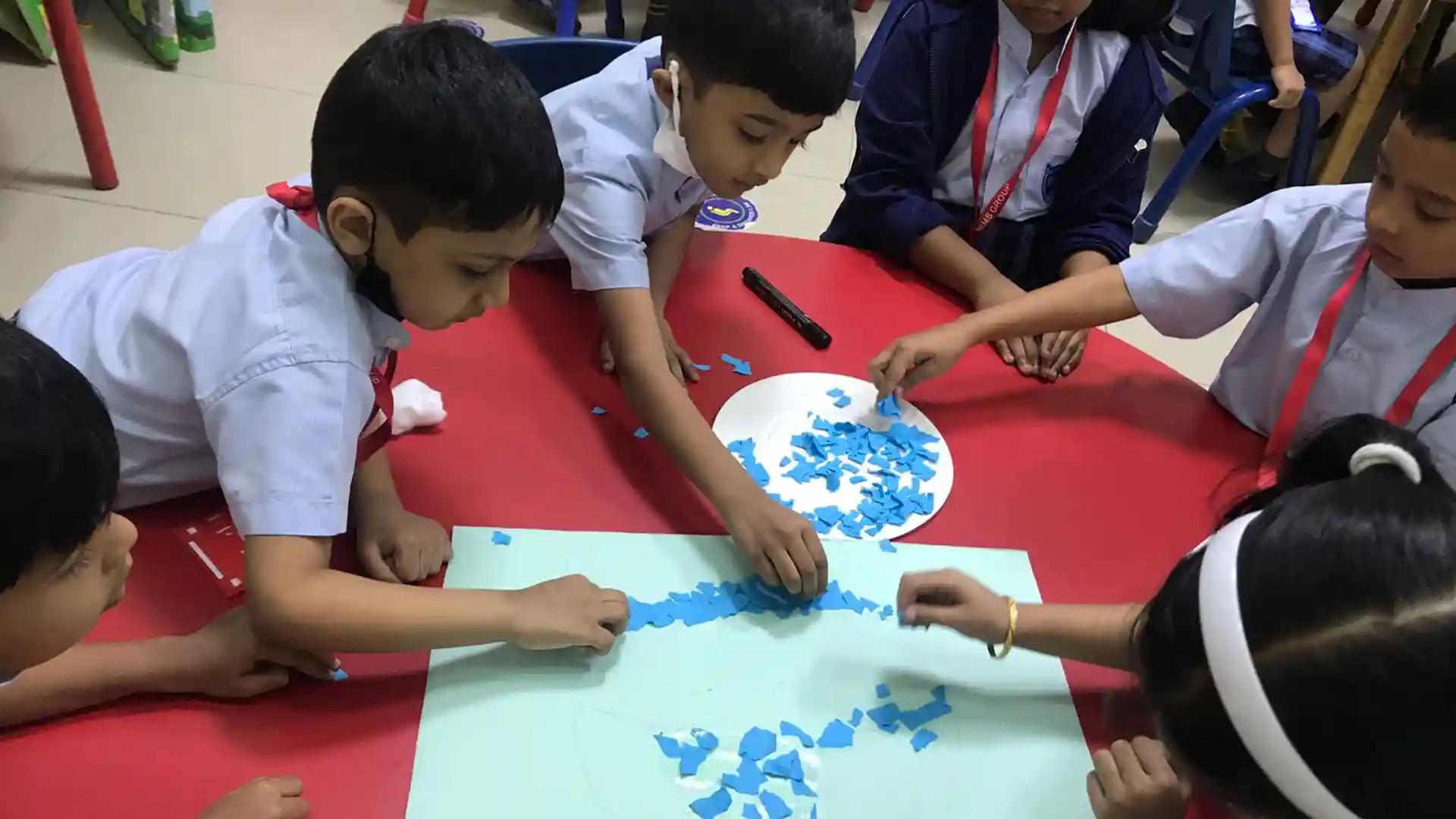
With Ramadan likely to start in mid-February, Indian schools across the UAE are taking different approaches to managing final examinations. Measures range from adjusting study periods during school hours to dividing teachers’ responsibilities, such as answer paper evaluation, into shorter, more manageable sessions.
School administrators emphasised that effective planning begins almost a year in advance. By aligning academic calendars with the UAE school year and accounting for the Islamic lunar cycle, schools aim to balance academic expectations with the practical challenges of fasting, shorter school days and changed daily routines during Ramadan. Based on Dubai’s Islamic Affairs and Charitable Activities Department (IACAD) Hijri-to-Gregorian conversion, the holy month is expected to commence in mid-February this year. As the Islamic calendar follows lunar months that are about 10 to 12 days shorter than the Gregorian calendar, Ramadan shifts earlier annually.
For many parents, particularly those whose children are preparing for board or promotion exams, concerns extend beyond exam dates. They also focus on students’ stamina, effective revision time and emotional preparedness during a month characterised by fasting and significant changes to daily schedules.
Proactive planning is critical
School leaders highlighted that effective preparation nearly a year in advance — and adhering to those plans — is central to managing examinations during Ramadan.
At Springdales School Dubai, the approach has been to modify daily school operations rather than alter the examination timetable itself. Principal David Jones explained that the school has aligned its schedule with Ramadan hours while ensuring academic standards remain intact and the sanctity of the holy month is respected.
He noted that Springdales will retain its final examination timetable this year, as the school day will follow Ramadan timings from February 18 or 19, 2026, with classes ending at noon, including on exam days. The exam period, running from February 16 to March 11, 2026, has also been planned to avoid overlap with the anticipated Eid holidays, expected around March 19 or 20, 2026. To further support students observing the fast, revision sessions will be conducted during school hours, allowing students to rest once they return home. The school’s priority, he said, is to honour Islamic values while upholding academic excellence.
Similarly, at GEMS Our Own Indian School, Principal and CEO Lalitha Suresh explained that examination timetables are set well before Ramadan approaches, making adjustments unnecessary. She stressed that consistency and clarity are essential for students and parents, and that the academic calendar is carefully structured to enhance learning without causing disruption.
“Our exam schedules are carefully mapped out nearly a year in advance. Once approved by the KHDA, the dates are published in the school diary so families can plan accordingly. We also build in revision gaps between exam days to give students sufficient time to prepare and consolidate their understanding,” she said.
Given this structured and forward-looking approach, Suresh confirmed that no changes will be made to this year’s examination schedule.

Operational challenges unique to Ramadan
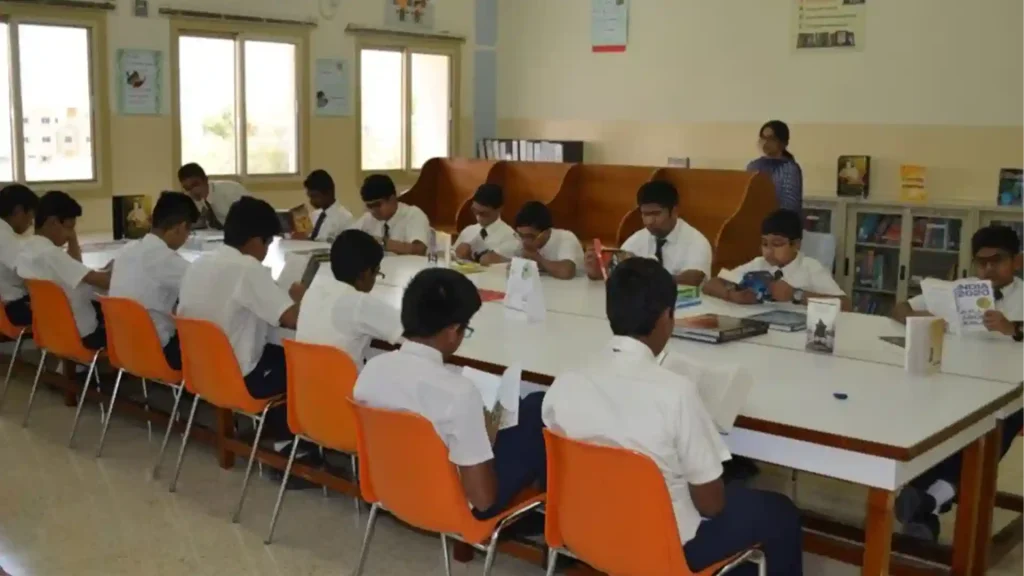
For schools, the effects of Ramadan extend well beyond adjusted class timings or examination rooms. Much of the pressure is felt behind the scenes, where administrative and academic teams must continue critical work such as assessment review, mark entry and result compilation within reduced working hours.
At Woodlem Park School in Ajman, Principal Bhanu Sharma explained that although examination dates are maintained as planned, the holy month brings unique operational considerations that require adaptability and careful coordination. She noted that no changes were made to the academic framework or final examination timetable, as these were thoughtfully designed and communicated to parents at the start of the 2025–26 academic year. Ramadan dates were already taken into account during this early planning stage, ensuring clarity and consistency for students and families.
While the examination schedule remains intact, Sharma pointed out that the shortened school day during Ramadan creates tighter timelines for post-exam processes. Activities such as evaluating answer scripts, entering marks, reviewing data and finalising results must now be completed within fewer working hours. As a result, tasks that would normally be handled in a single extended workday are divided across several shorter sessions spread over multiple days.
Despite these constraints, the school remains committed to maintaining high academic standards. Sharma emphasised that the reduced hours do not affect the quality or accuracy of assessment and result preparation. Instead, the situation demands more efficient planning, careful time management and greater flexibility from staff members.
She added that teamwork and empathy play a crucial role during this period, as many staff members are also observing the fast. By redistributing workloads, prioritising tasks and setting realistic timelines, the school ensures that responsibilities are managed without placing undue strain on teachers and administrative staff.
The experience, Sharma noted, highlights the importance of proactive planning and adaptability in managing the academic calendar during Ramadan. Rather than viewing the holy month as a disruption, schools are encouraged to approach it as a period that calls for thoughtful adjustments and collaborative effort.
By planning well in advance and remaining responsive to operational challenges, institutions like Woodlem Park School are able to uphold academic integrity while respecting the physical and emotional needs of their staff. This balanced approach ensures that students receive accurate, timely results, while educators and administrators are supported during a month that requires both professional dedication and personal commitment.