Shares of major U.S. oil companies surged as investors reacted to reports that the United States may gain access to Venezuelan oil, boosting expectations of increased supply and higher profits.
U.S. Oil Giants’ Stocks Climb Amid Prospects of Venezuelan Oil Access
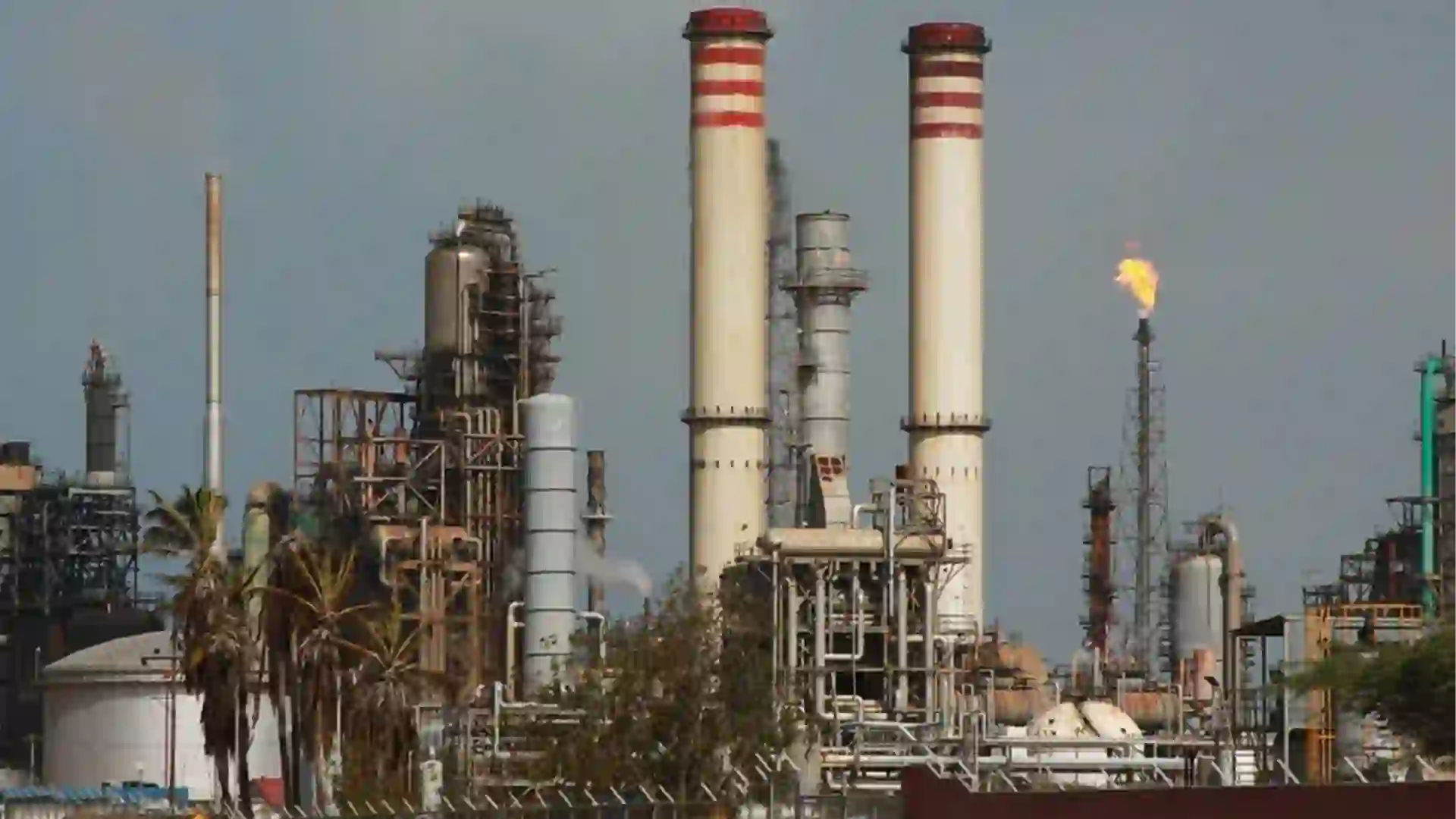
U.S. oil companies saw their share prices surge sharply on Monday as markets reacted to the growing likelihood that American energy firms could gain access to Venezuela’s enormous oil resources. The stock gains were driven by comments from President Donald Trump, who said the United States would assume control of the South American nation following the arrest of its president — a development that investors interpreted as improving the chances for U.S. oil majors to participate in future Venezuelan crude output.
Venezuela is home to the largest proven oil reserves on the planet, but decades of economic mismanagement, diminished foreign participation after nationalisation of the energy sector, and the impact of Western sanctions have drastically curtailed production. Once capable of producing several million barrels per day, the country’s output has collapsed to a fraction of its former levels, leaving its vast reserves largely untapped.
On Sunday, speaking to reporters aboard Air Force One, Trump said he had consulted with executives from major U.S. oil companies about their potential role in Venezuela both before and after American forces detained Venezuelan President Nicolás Maduro in Caracas. According to Trump, these firms are eager to return, invest capital, and rehabilitate Venezuela’s dilapidated energy infrastructure. “They want to go in so badly,” the president said, adding that the companies would repair the oil facilities and invest their own money while the U.S. government itself would not put up fundingIn recent weeks, officials from the Trump administration have reportedly communicated with chief executives of major American oil companies, signaling that those firms should act quickly — and commit considerable capital — if they hope to receive compensation for assets that were expropriated by Venezuela during the nationalisation wave two decades ago. Such compensation could potentially be tied to future access rights, according to previous Reuters reports.
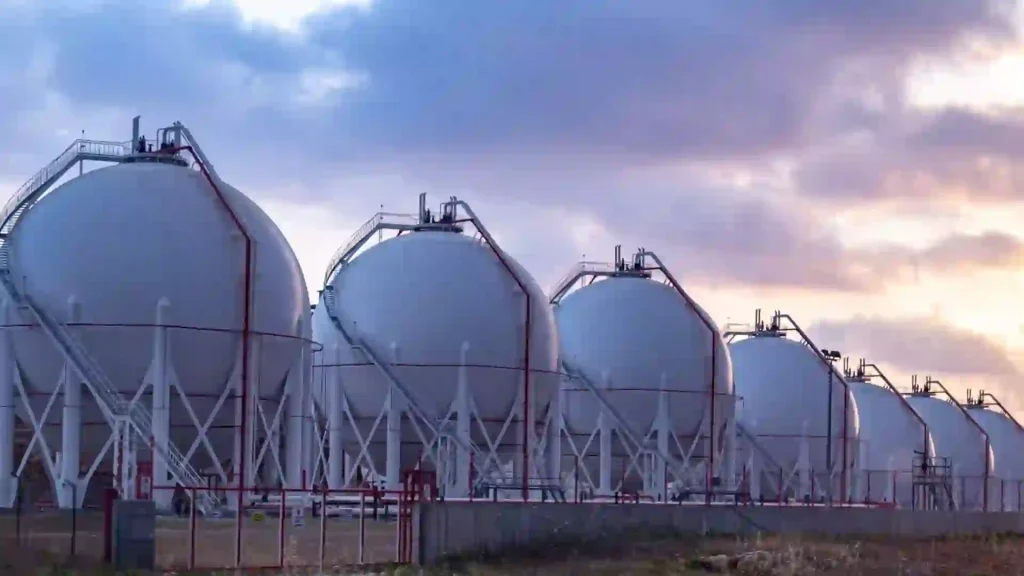

Chevron, which currently is the only major U.S. oil company still operating in Venezuelan oil fields under a special waiver, saw its shares rise significantly in pre‑market trading on Monday. Other energy firms also benefited from the optimism, with refiners such as Marathon Petroleum, Phillips 66, Valero Energy and PBF Energy recording gains of between 5 % and 16 % ahead of the market open.
Despite the stock market gains among energy companies, oil prices themselves remained mostly steady on Monday. This was due in large part to the fact that global crude markets remain well supplied, meaning that any potential future increase in Venezuelan production has yet to materially change the immediate supply picture. Trump also stated that the embargo on Venezuelan oil exports — which has prevented Caracas from selling crude on the global market — would remain fully in force for the time being, limiting short‑term impacts on supply and demand dynamics.
Venezuelan crude is known for being heavy and sour, with high sulphur content. These grades are typically less profitable relative to lighter crudes from other regions such as the Middle East, because they require more complex refining and yield lower margins. However, many refineries on the U.S. Gulf Coast were historically designed to process heavier grades of oil, meaning that Venezuela’s type of crude could be a good technical fit for existing American refining capacity — a point noted by research strategist Ahmad Assiri.
Chevron’s ongoing presence in Venezuela — maintained through a U.S. government waiver even as other international companies exited under previous administrations — puts it in a strong position to benefit if policy shifts allow expanded operations. Analysts point out that the firm could quickly scale up activities relative to competitors, given its existing footprint on the ground. At the same time, refiners and oilfield services companies could also profit if heavier crude from Venezuela becomes more readily available closer to U.S. facilities.
The prospect of re‑entry into Venezuela’s oil sector has broader implications beyond immediate stock price movements. Some analysts believe that Venezuela may be compelled to return assets seized from foreign companies in the early 2000s — including those owned by Exxon Mobil and ConocoPhillips — although any legal or financial outcome is likely to be complex and protracted. Reinstating these assets or resolving arbitration claims could offer additional incentives for U.S. firms to commit to long‑term investments in the country.
Despite the enthusiasm on Wall Street, experts caution that restoring Venezuela’s oil industry will be neither swift nor cheap. Years of underinvestment and neglect have left refineries, pipelines and drilling infrastructure in poor condition. Restoring production to anything near its historical levels would require billions of dollars of investment as well as a stable political and contractual environment — conditions that remain uncertain even after Maduro’s removal.
Energy markets are also watching developments through a geopolitical lens. The Trump administration’s actions in Venezuela have triggered broader discussions about the role of U.S. energy policy, national security considerations and the strategic importance of diversifying oil supply sources. While investors reacted positively in the short term by bidding up energy stocks, the longer‑term trajectory of Venezuelan oil output — and the role U.S. companies might play — is likely to unfold over several years rather than weeks.
The overall reaction in financial markets underscores how closely energy equities are tied to geopolitical developments, particularly when news breaks that could alter access to major hydrocarbon reserves. For U.S. oil giants, the possibility of tapping Venezuela’s vast resources has translated into renewed investor confidence, at least in the near term, even as questions about practical implementation and global market effects persist.