Dubai will introduce a paid parking system in International City from February 2026, aiming to regulate vehicle flow, improve parking availability, and reduce congestion in this busy residential area.
Paid parking to begin in Dubai International City starting February 2026
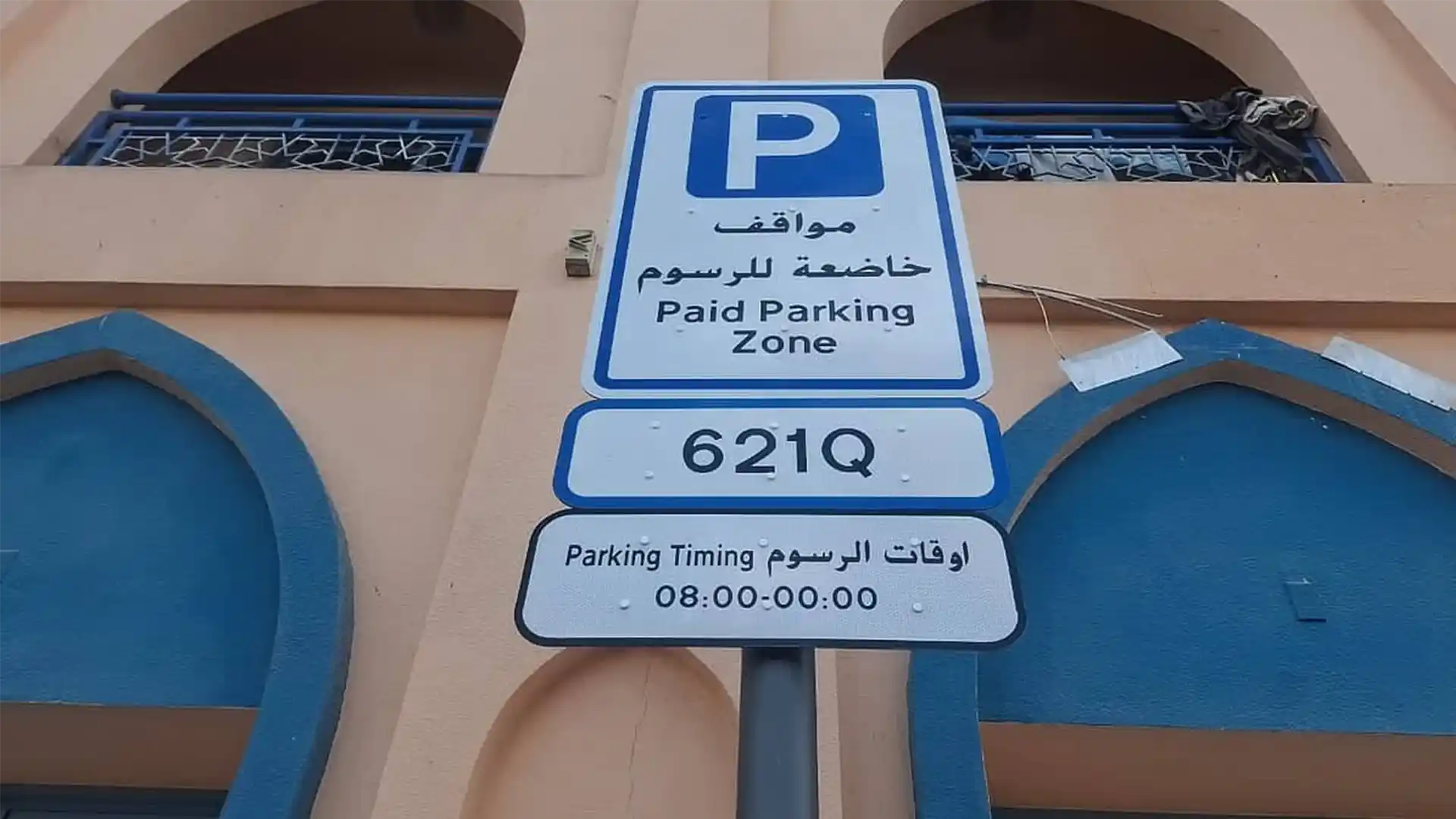
From February 1, 2026, motorists in Dubai International City will have to pay to park, marking a major shift for one of the city’s last large neighbourhoods with free parking. Authorities have already installed signage across the area to alert residents and visitors about the upcoming change.
While parking meters and payment systems are yet to be activated, signs indicating paid zones have appeared in several clusters, including France and China, signalling that enforcement will begin as scheduled.
Parking shortages have long been a daily frustration in International City, particularly during evenings and overnight hours when residents return from work. The pressure is intensified by the presence of rental car fleets and small commercial vehicles, as the community remains one of Dubai’s most budget-friendly areas for housing and business operations.
Many residents believe paid parking could ease the situation by discouraging long-term occupation of spaces. Waqas Khan, who works in delivery services, said finding a spot after work is often exhausting. He feels regulated parking fees could free up spaces for people who actually live in the area and return home late.
International City has stood out as one of the few major districts in Dubai where parking remained free, a factor that attracted vehicles from neighbouring areas. For some property owners, however, parking woes have already forced lifestyle changes.
Najam Ahmed, an apartment owner in International City, chose to move his family to Al Qusais due to persistent parking problems and school proximity. He explained that returning home late at night often meant circling the neighbourhood endlessly. With multiple vehicles for personal and business use, he now says paid parking may finally make it practical to move back into his own apartment.
Expansion of paid parking across Dubai has been steadily gaining pace. Parkin Company, which manages public parking in the emirate, has rolled out paid zones in several residential and mixed-use communities over recent years.
In November, the company introduced parking fees in International Academic City and Sports City, shortly after announcing similar measures in Studio City and Outsource City. These steps are part of a broader strategy to manage demand and reduce congestion.
Earlier, on April 4, 2025, Parkin implemented a Variable Parking Tariff Policy across Dubai. The system introduced different rates for peak and off-peak hours to improve space turnover in high-demand areas and support smoother traffic movement.
Under this policy, peak charges apply for six hours daily — from 8am to 10am and 4pm to 8pm — excluding Sundays and public holidays. Parking fees during off-peak periods, between 10am and 4pm and from 8pm to 10pm, remain aligned with existing rates, ensuring a balanced approach to accessibility and traffic management.
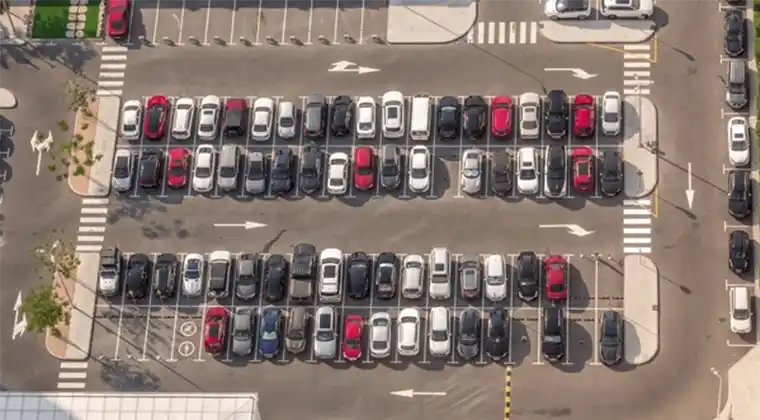
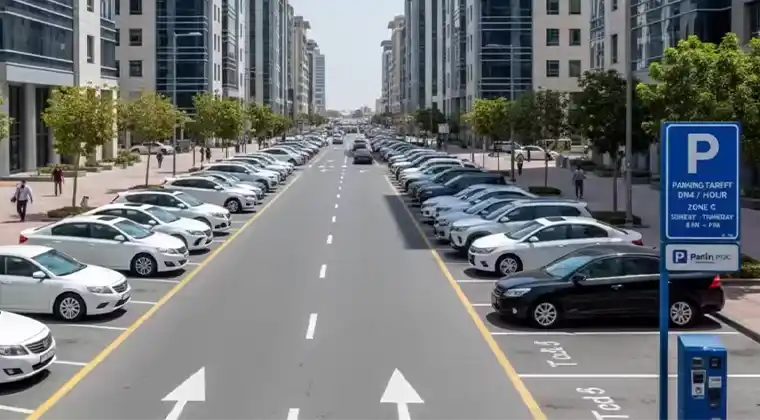
Residents’ associations and community groups in International City are now closely watching how the paid parking rollout will be implemented. Many are hoping authorities will introduce resident permits or discounted packages for long-term occupants to avoid excessive daily costs. Some residents have also suggested allocating dedicated zones for homeowners, tenants, and short-term visitors to prevent spillover parking from nearby commercial areas. Clear communication on tariffs, enforcement timings, and exemptions will be crucial to ensure a smooth transition. Without proper planning, residents fear confusion and fines could add to existing frustrations rather than solve parking shortages.
Small businesses operating in International City are also preparing for the change. Shop owners, delivery operators, and service providers rely heavily on street parking for quick access to customers. While some acknowledge that regulated parking could improve turnover and accessibility, others worry about higher operating costs and reduced footfall. Business owners have called for loading zones and short-term parking options to support daily operations. They believe balanced policies can help maintain International City’s appeal as an affordable commercial hub while still addressing long-standing congestion and misuse of parking spaces.
Urban planning experts say the move aligns with Dubai’s broader vision of efficient mobility and smarter city management. Introducing paid parking often encourages residents to consider alternative transport options such as public buses, carpooling, or adjusted travel times. Over time, this can reduce traffic congestion and environmental impact. Experts add that if paired with improved public transport links and clear signage, paid parking can significantly enhance quality of life. For International City, the coming months will be critical in determining whether the policy delivers lasting relief or requires further refinement.