Lebanon warned that Israeli airstrikes heighten regional tensions, undermine diplomatic efforts, and risk wider conflict, urging restraint and international pressure to prevent further escalation along the border in coming days.
Israeli Airstrikes Risk Escalating Conflict, Lebanon Says
Lebanese President Joseph Aoun strongly criticized Israel on Tuesday over its most recent military actions in Lebanon, warning that the strikes threaten ongoing efforts to prevent the conflict from spiraling further. He said the continued attacks weaken diplomatic initiatives aimed at reducing tensions at both the regional and international levels.
Aoun’s remarks followed a wave of Israeli airstrikes carried out on Monday in southern and eastern parts of Lebanon. According to Israeli officials, the operations targeted positions linked to Hezbollah and Hamas. The attacks reportedly began in four villages where Israel had issued evacuation alerts beforehand. However, subsequent strikes, including one launched in the early hours of Tuesday, were conducted without any prior warning to residents.
In an official statement, President Aoun accused Israel of deliberately obstructing attempts to contain the situation. He said the repeated military actions were designed to derail efforts made by Lebanon and its partners to halt what he described as Israel’s ongoing escalation. Aoun emphasized that Lebanon has engaged constructively with these initiatives across multiple fronts, but such cooperation is being undermined by continued strikes.
Despite a ceasefire agreement between Israel and Hezbollah that has been in place for about a year, Israeli forces have continued to carry out regular attacks inside Lebanon. Israel has consistently said these operations are aimed at Hezbollah facilities and fighters, and on some occasions at Hamas-linked sites as well.
On Tuesday, the Israeli military confirmed that its operations the previous day had struck what it described as infrastructure belonging to Hezbollah and Hamas in various locations across Lebanon. Military officials said the targets included weapons depots and operational structures, some located underground and others above ground.
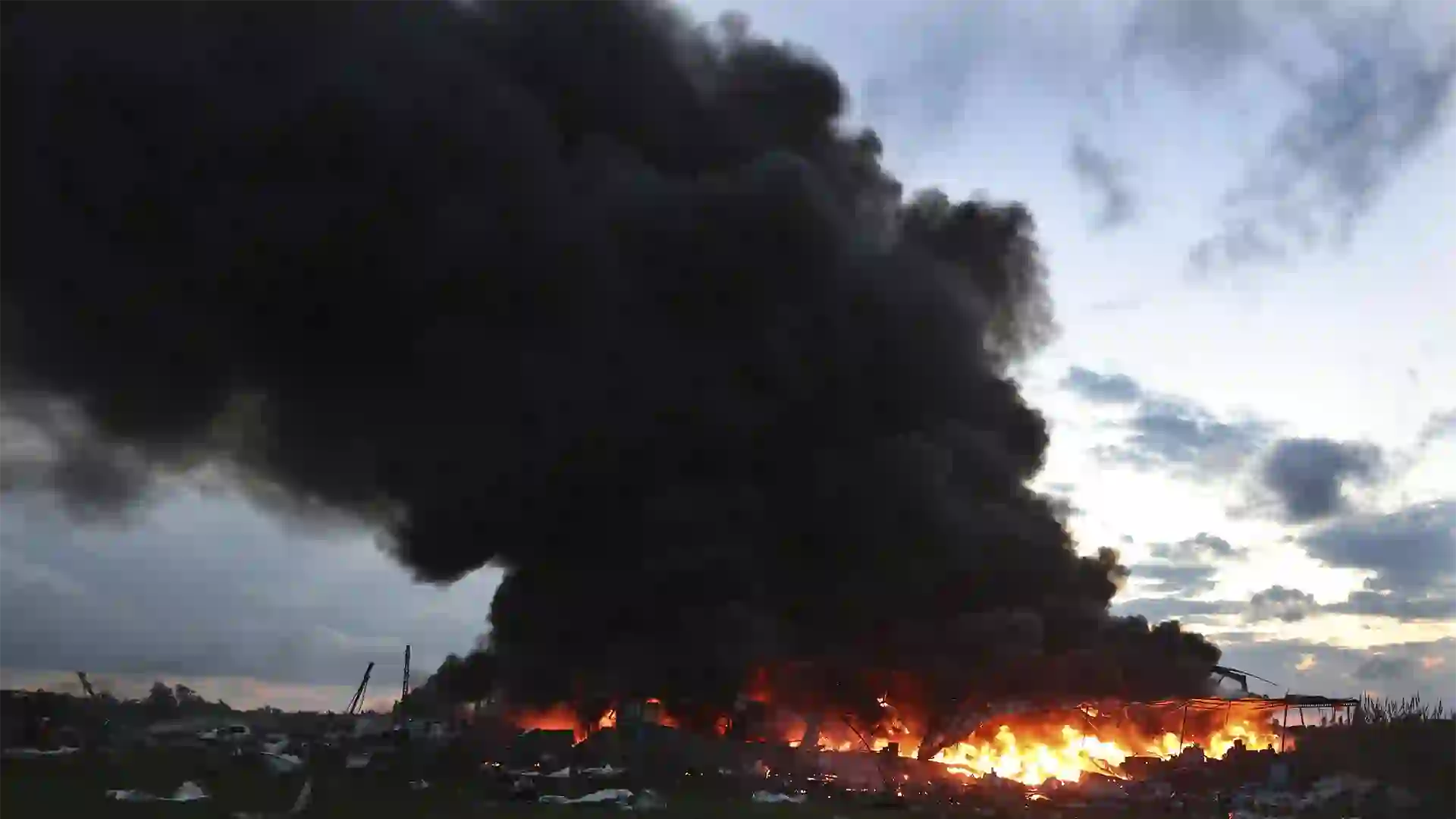
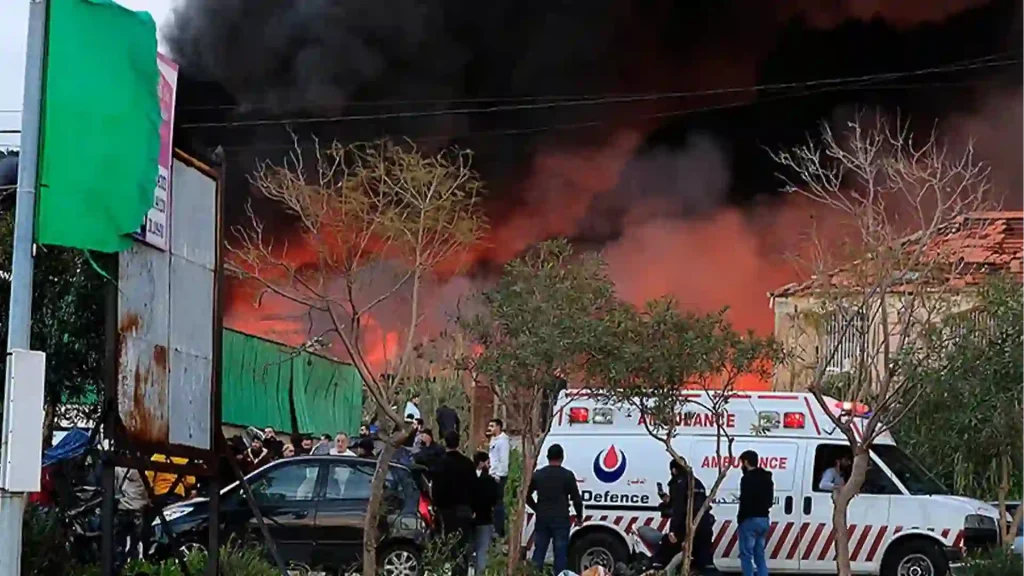
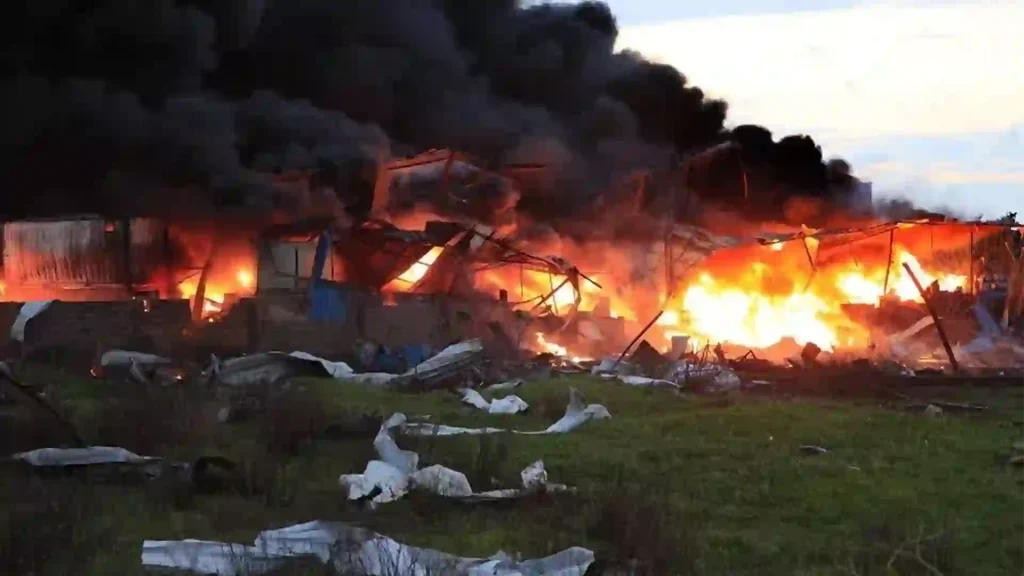
One of the most significant strikes occurred early Tuesday near Ghazieh, an area close to the southern coastal city of Sidon. The attack destroyed a building and caused damage to nearby structures. A fire broke out at the site, prompting firefighters to rush in to contain the blaze, according to observations from journalists on the ground.
These developments come just ahead of a scheduled meeting of the committee tasked with overseeing the ceasefire arrangement. The group includes representatives from the United States, France, Lebanon, Israel, and the United Nations, and is expected to convene on Wednesday to assess the situation and discuss next steps.
At the same time, Lebanon’s cabinet is preparing to meet later this week to review progress made by the Lebanese army in its efforts to disarm Hezbollah. This initiative has been pursued under intense pressure from the United States and amid concerns that failure to make progress could prompt broader Israeli military action.
Under the current plan, the Lebanese army is expected to complete the disarmament of Hezbollah forces south of the Litani River—approximately 30 kilometers from the Israeli border—by the end of 2025. After that phase, the government intends to address disarmament in other parts of the country.
President Aoun reiterated that the government’s strategy to expand state authority south of the Litani River is already being implemented. He praised the Lebanese army for carrying out its responsibilities with what he described as professionalism, dedication, and accuracy, stressing that the military has been committed to maintaining stability in the region.
Israel, however, has repeatedly cast doubt on the Lebanese army’s ability to enforce the ceasefire and curb Hezbollah’s military capabilities. Israeli officials have accused the group of rebuilding its arsenal despite the agreement.
Over the weekend, Israeli Foreign Minister Gideon Saar expressed skepticism about Lebanon’s disarmament efforts, saying they fall far short of what is required to ensure security along the border. His comments reflected broader Israeli concerns that Hezbollah remains a significant threat despite international monitoring and Lebanese government assurances.
As diplomatic and military pressures continue to mount, Lebanon finds itself navigating a fragile balance between internal reforms, external demands, and the risk of renewed large-scale conflict. President Aoun’s latest remarks underscore growing frustration in Beirut over what it sees as Israeli actions that could push the situation toward further instability.