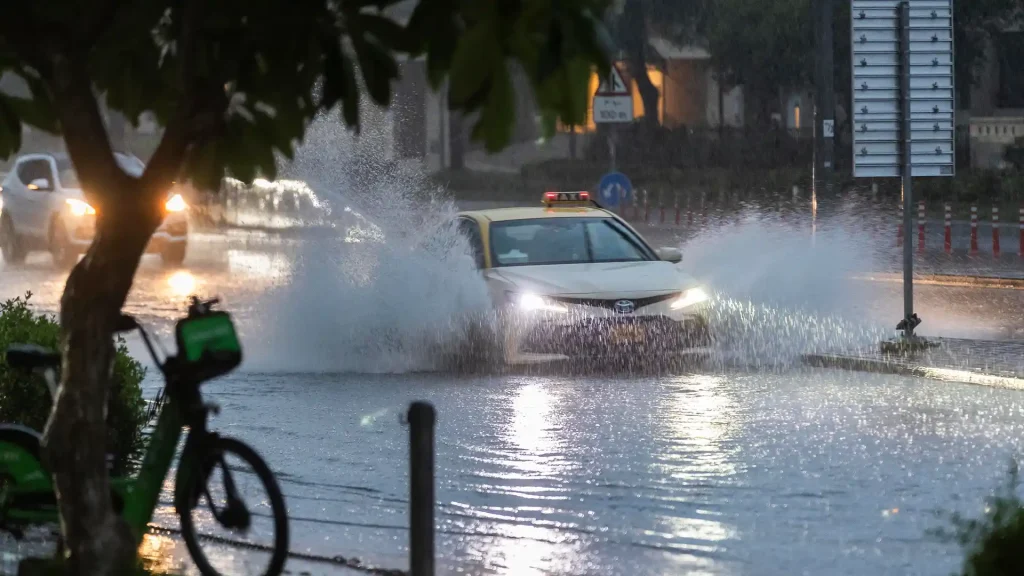
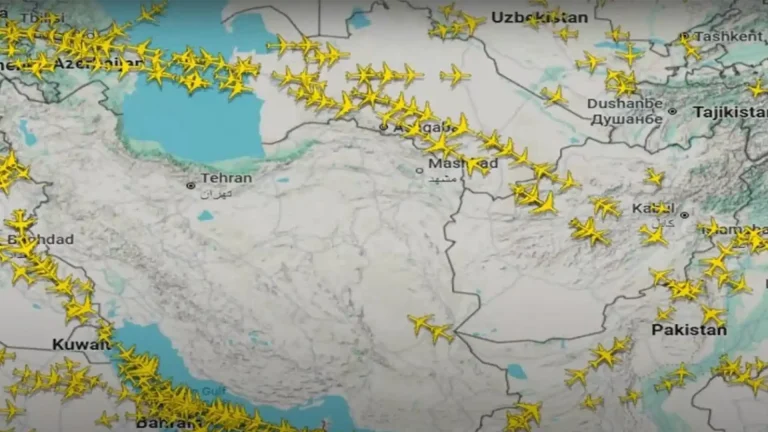
Following the heavy rainfall on December 19, the UAE has witnessed a significant increase in insurance activity, with claims rising by 20 percent as residents and businesses report damages caused by the recent storms.
UAE sees 20% rise in insurance claims following heavy rains on December 19.
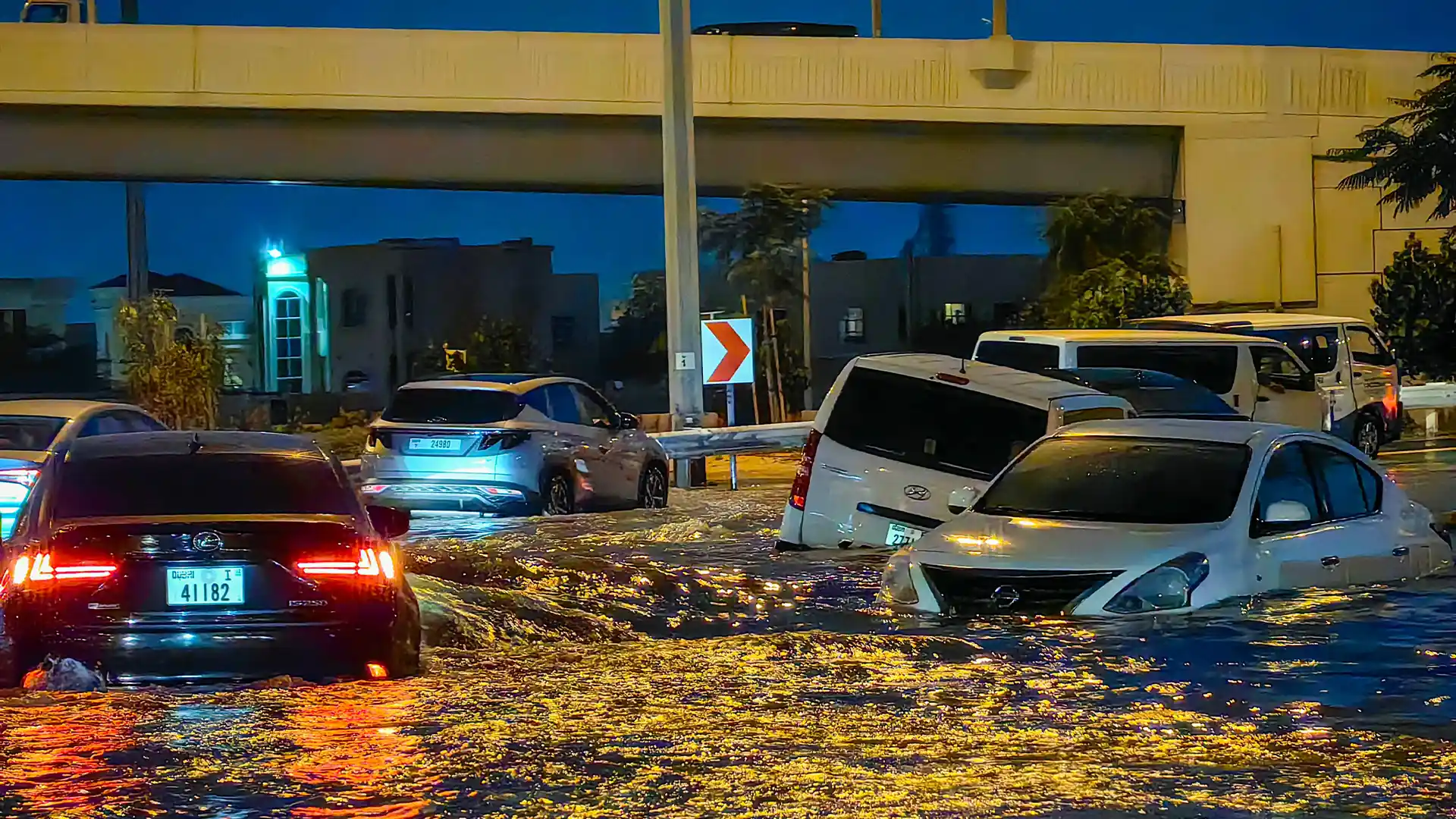
UAE insurance industry handles December 19 rains with resilience and preparedness
The heavy rainfall that swept across the UAE on December 19, 2025, tested the country’s urban infrastructure and insurance systems, yet the overall impact on claims remained within manageable limits. According to industry reports, the number of insurance claims increased by around 20 percent compared to normal periods. While this was a measurable uptick, experts emphasized that the rise in claims was well-contained, reflecting the enhanced readiness of the insurance sector and the broader community.
The increase in claims is seen as part of the natural response to significant weather events, but unlike prior instances of severe rainfall, such as the unprecedented storms in April 2024, the December downpour did not create systemic pressure on insurers. Analysts attribute this largely to improvements in both infrastructure and operational preparedness, which allowed the market to absorb the shock of the rainfall without causing disruptions to insurers or policyholders.
Executives across the sector highlighted several factors that contributed to the contained impact of the December rainfall. Improved drainage systems in urban areas allowed water to be managed more effectively, reducing the risk of widespread flooding. Municipal authorities responded swiftly to localized issues, clearing debris and opening drainage channels, which prevented minor incidents from escalating into larger claims events. Additionally, heightened awareness among residents played a crucial role. Following earlier extreme weather experiences, many individuals and businesses are now better informed about preventive measures and how to navigate the claims process efficiently, which accelerated response times and minimized further complications.
Anas Mistareehi, CEO of eSanad, provided insight into how operational readiness helped mitigate the effects on the insurance market. He explained that the December rainfall “had a measurable yet well-contained impact” and that the episode “primarily tested operational preparedness rather than insurers’ balance-sheet resilience.” Mistareehi emphasized that insurers, brokers, and policyholders were all better prepared compared to previous events. Enhanced procedures, improved technology, and increased customer awareness contributed to a smoother claims-handling process. Notifications were submitted more promptly, communication channels were clearer, and insurers were able to apply lessons learned from prior heavy rainfall events.
“The industry’s improved readiness meant that although claims volumes temporarily increased, they remained within thresholds that could be easily managed,” Mistareehi said. “This is a significant improvement from the April 2024 scenario, when the impact of the rainfall was far more disruptive and tested the resilience of insurers’ financial and operational frameworks.” He noted that the current approach emphasizes preventive measures, effective claims communication, and efficient processing — all of which combined to contain the effects of December’s rainfall.
Supporting this perspective, Hitesh Motwani, deputy CEO of InsuranceMarket.ae, said that while the December 19 rainfall did generate a noticeable uptick in claims, the overall situation remained under control. “We observed roughly a 20 percent increase in claims notifications compared to typical periods, mostly related to weather-induced incidents such as water damage, property flooding, and automobile accidents,” Motwani explained. “The positive aspect is that insurers were ready for this event. Response protocols were already in place, and customers were more aware of the necessary steps, leading to faster and more organized engagement across all parties involved. From the industry’s perspective, the uptick was manageable — it did not constitute a stress event for the market.”
Industry observers also noted that insurers had leveraged international reinsurance arrangements to mitigate potential financial exposure. Ralph J. Kabban, CEO of United Insurance Brokers (UIB), said that while claims notifications and processing volumes rose sharply following the rainfall, much of the financial risk was offset through reinsurance. “Our local insurance companies have extensive reinsurance coverage with global partners, which helps to absorb the potential losses from weather-related incidents,” he explained. “This mechanism ensures that the local market remains resilient, even when claims volumes rise temporarily.”
Kabban also highlighted the sectoral distribution of claims following the rainfall. In terms of frequency, the automobile sector is expected to generate a significantly higher number of claims compared to property insurance. Minor accidents, water-damaged vehicles, and related incidents account for the majority of claims notifications, though each tends to involve smaller individual payouts. By contrast, the real estate and property sectors saw fewer claims in terms of frequency, but the cost per incident in this category can be higher, particularly in cases where structural damage or severe water ingress occurred. In other words, while car claims dominated in volume, property claims remained more financially significant per incident.
The contained nature of the December rainfall’s impact also reflects a broader trend of growing resilience in the UAE’s insurance ecosystem. Following the April 2024 rains, the industry took several steps to strengthen both operational and financial readiness. These measures included streamlining claims processes, implementing advanced data analytics for risk assessment, upgrading customer service platforms, and educating policyholders about preventive measures. Such initiatives have now demonstrated their value, as the sector was able to respond efficiently to December’s rainfall without excessive strain.
Another contributing factor was the timely and coordinated response from local authorities and municipal departments. Drainage maintenance, road clearance, and traffic management helped reduce the likelihood of accidents and property damage. This collaboration between public agencies and the insurance sector further minimized the impact on claims volumes. Additionally, residents and business owners, having experienced the challenges of previous storms, were more vigilant, reporting damages quickly and taking preventive action to reduce losses.
Mistareehi and Motwani both emphasized that while December’s event was significant, it also serves as a benchmark for how the UAE insurance market has evolved in handling natural hazards. “The insurance industry has become increasingly proactive,” Mistareehi said. “It is no longer just reactive to claims; insurers now have robust risk management frameworks, operational protocols, and customer engagement strategies that significantly reduce the disruption caused by heavy rainfall or other weather events.”
Motwani echoed this assessment, noting that the increase in claims was expected and well within the capacity of the system. “This demonstrates that the UAE insurance market has matured,” he said. “We are better prepared operationally and financially, and the combination of informed policyholders, improved infrastructure, and effective industry procedures has made a real difference.”
Looking forward, industry leaders indicate that similar preparedness measures will be crucial in managing future events. As the UAE continues to experience occasional extreme weather, including heavy rainfall during winter months, the lessons learned from both April 2024 and December 2025 provide a model for resilience. Proactive communication, timely claims processing, adequate reinsurance, and continued public awareness campaigns are likely to remain key pillars of the sector’s strategy.
In conclusion, the December 19, 2025, heavy rainfall in the UAE presented a clear test for the insurance industry, but one that was met with resilience, preparedness, and efficiency. While claims notifications increased by roughly 20 percent, the impact was manageable, thanks to the combined efforts of insurers, brokers, policyholders, and municipal authorities. Enhanced drainage infrastructure, operational readiness, customer awareness, and international reinsurance arrangements all contributed to minimizing disruption and ensuring a smooth claims-handling process. The automobile sector accounted for the highest volume of claims, while property-related incidents were fewer but often more costly.
Overall, the episode illustrates how the UAE insurance sector has evolved in recent years, learning from past extreme weather events and adopting measures that not only protect financial interests but also support residents and businesses. The December 19 rainfall, though significant, ultimately highlighted the market’s growing sophistication and preparedness, demonstrating that both the industry and the wider community are now better equipped to face natural hazards with confidence and resilience.
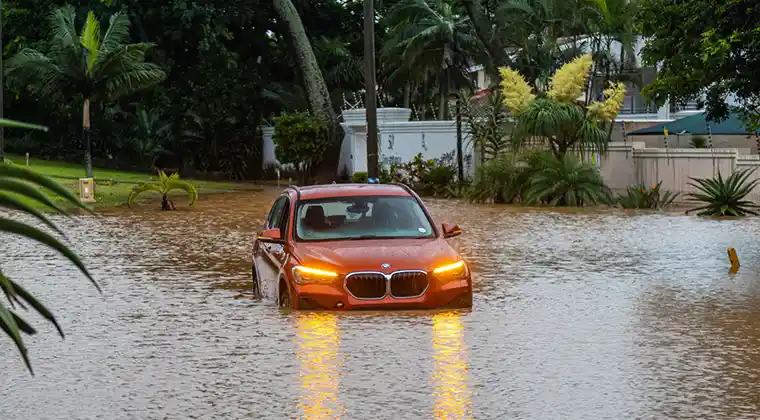
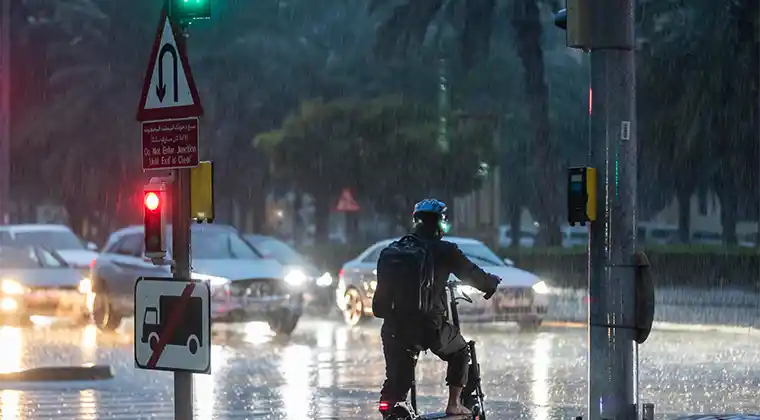
UAE Insurance Sector Reflects on December 19 Rains Compared to April 2024 Floods
The heavy rainfall that struck parts of the UAE on December 19, 2025, tested both urban infrastructure and the resilience of the insurance sector. While the event led to an uptick in claims across multiple insurance lines, the overall impact remained well within manageable limits. Industry insiders report that insurance claims following the December rainfall increased by roughly 20 percent compared to typical periods, a figure that, while significant, was far lower than the extraordinary losses experienced during the April 2024 floods.
The December rainfall was particularly noticeable in urban areas, where water accumulation on roads created hazardous conditions for motorists. Anecdotal evidence from repair garages across the country indicates that many workshops were operating at near-full capacity in the days following the downpour. Vehicles stranded on flooded streets sustained water-related damage, including minor engine issues, electrical system malfunctions, and interior flooding. Some garages even reported a spike in activity of up to 70 percent relative to previous high-demand periods following similar weather events, highlighting the localized but intense impact of the rain on motor insurance claims.
Ralph J. Kabban, CEO of United Insurance Brokers, noted that the volume of property-related claims, while lower than motor claims, tended to be more severe on a per-incident basis. Damage to real estate properties was concentrated on specific areas affected by water ingress, seepage, or flooding in basements, but these incidents were fewer in number. The distinction between frequency and severity of claims underscores the differing ways in which the rainfall affected the insurance market.
Hitesh Motwani, deputy CEO of InsuranceMarket.ae, emphasized that the most pronounced effect was seen in the motor insurance sector. “The majority of claims involved vehicles that became stranded in water, suffered minor water ingress, or experienced damage as a result of driving through flooded stretches. Property-related claims were comparatively less frequent and were mostly limited to minor issues such as water seepage or localized flooding,” he explained.
Anas Mistareehi, CEO of eSanad, added that the claims following the December 19 rainfall were mixed in nature. While motor claims were present, property and engineering-related claims formed a notable part of the overall notifications. “It’s important to note that while we saw some automobile claims, the numbers remained within acceptable and manageable levels for the market. From a property perspective, the damages were mostly minor and did not include widespread structural problems or catastrophic losses,” he said. This assessment reflects a sector that is better prepared for sudden weather-related events, both in terms of operational response and claims-handling capacity.
When compared to the historic rainfall and floods of April 2024, the December 2025 event appears significantly less disruptive. Motwani explained that the two events are not directly comparable in scale or impact. “The April 2024 rains were unprecedented in their intensity and geographic spread, leading to widespread motor, property, and commercial insurance losses. In contrast, the December 19 rainfall was shorter in duration, more localized, and better anticipated. While claims did rise, they represent only a small fraction of the losses experienced during the April 2024 floods.”
Mistareehi reinforced this perspective, noting that April 2024 was a once-in-decades extreme weather event that tested the UAE’s infrastructure and insurance ecosystem in ways that December 2025 did not. “The floods in April 2024 resulted in prolonged water accumulation, extensive disruption to roads and utilities, and severe claims accumulation across both the motor and property sectors. Insurance claims were not only numerous but also highly severe in terms of financial exposure. By contrast, the December rainfall was manageable. Both claim volumes and severity were significantly lower, and critically, there were no bottlenecks in claims processing or insurer response.”
Kabban provided further context, explaining that the December 2025 rains, while disruptive, were largely confined to urban areas and did not reach the scale of the previous year’s floods. “Infrastructure damage was moderate. Roads were flooded in certain neighborhoods, leading to travel disruptions and some vehicle damage, but the overall economic and human impact was significantly lower than what we observed in April 2024. While some flights were delayed due to water on runways, the effect was temporary and localized, and cleanup operations were efficient and effective,” he said.
This difference in impact can be attributed to several factors. First, the duration and intensity of the December rains were considerably less severe than those of April 2024. The rainfall on December 19 lasted only a few hours, whereas the April event involved multiple days of heavy rain that affected a far larger geographic area. Second, the UAE’s municipalities, emergency services, and infrastructure systems were better prepared. Lessons learned from the April 2024 floods had prompted improvements in drainage, early warning systems, and coordination between authorities and insurance providers. These enhancements allowed for quicker mitigation of flood risks, reduced the extent of property damage, and improved operational efficiency in responding to claims.
Customer awareness also played a role in limiting the impact of December 19’s rainfall. Following previous extreme weather events, residents and business owners have become more informed about preventive measures, such as avoiding driving through flooded streets, ensuring proper maintenance of vehicles, and reporting damages promptly. Faster reporting leads to more effective claims management and allows insurers to assess and respond to damages without delays. Mistareehi highlighted that this improved awareness contributed to the controlled rise in claims, ensuring that insurers could handle the volume without undue strain.
While motor claims dominated in frequency, property claims were less numerous but often more financially significant per incident. Kabban observed that insurance payouts for property-related incidents were concentrated on water ingress in basements, minor structural repairs, and damage to finishes or fittings in affected properties. These claims, though costly on an individual basis, were limited in number, allowing insurers to manage their exposure effectively. Similarly, engineering-related claims were recorded in areas where temporary flooding affected ongoing construction projects, but these too were handled within the capacity of insurers’ operational systems.
Importantly, Mistareehi confirmed that no widespread structural damage or catastrophic losses were reported as a result of the December rainfall. This is a clear contrast to April 2024, when large-scale flooding caused significant structural damage to homes, commercial properties, and public infrastructure, resulting in major claims accumulation and financial pressure on the industry. The absence of such catastrophic outcomes in December 2025 indicates that both urban planning and emergency response measures have improved considerably.
Looking at the broader picture, the December 19 rainfall provides insight into how the UAE insurance sector has evolved over the past year. Insurers are now better equipped to handle sudden, weather-related spikes in claims. Operational protocols have been streamlined, customer communication has been enhanced, and reinsurance arrangements remain robust, ensuring that financial exposure is minimized. The industry has shifted from a reactive model, in which claims are processed only after events occur, to a more proactive model, emphasizing preparedness, mitigation, and fast response.
When reflecting on the comparison between April 2024 and December 2025, Kabban and Mistareehi both stressed that the latter event demonstrates the maturity and resilience of the UAE insurance market. While any increase in claims can be disruptive, the December rainfall shows that the industry has learned from past extreme weather events and now operates in a far more controlled, measured, and efficient manner. Motor insurance claims, while prominent, did not overwhelm the system, and property and engineering claims were contained. Most importantly, no systemic failures occurred, highlighting the effectiveness of preemptive measures, infrastructure improvements, and operational readiness.
In conclusion, the December 19, 2025, rainfall in the UAE presented a manageable test for the insurance industry. While motor claims surged due to vehicles stranded in water, and property claims reflected localized damage, overall financial exposure remained well within acceptable thresholds. The impact was minor when compared to the historic April 2024 floods, which caused widespread disruption, severe losses, and major claims accumulation. Improvements in drainage, municipal response, reinsurance coverage, and customer awareness have collectively contributed to containing the December rainfall’s impact.
This latest event illustrates a broader trend: the UAE insurance market has become more resilient and better prepared for natural hazards. The lessons from past extreme weather, combined with ongoing investment in operational protocols, infrastructure, and stakeholder education, have strengthened the sector’s ability to respond efficiently, protect financial stability, and support policyholders when adverse weather occurs. While the December 19 rains caused some inconvenience and generated a notable rise in claims, the overall outcome demonstrates that the UAE insurance sector is now capable of handling such challenges without significant disruption, marking a significant step forward in risk management and preparedness.