
Schools throughout the UAE recorded an impressive 95 per cent student turnout, with campuses welcoming learners back through organised activities, food stalls, and fun events designed to create an engaging and positive start to the new term.
Schools across the UAE see strong 95% attendance with food and activities greeting students.
UAE Schools Reopen to Strong Turnout as Students Return After Winter Holidays
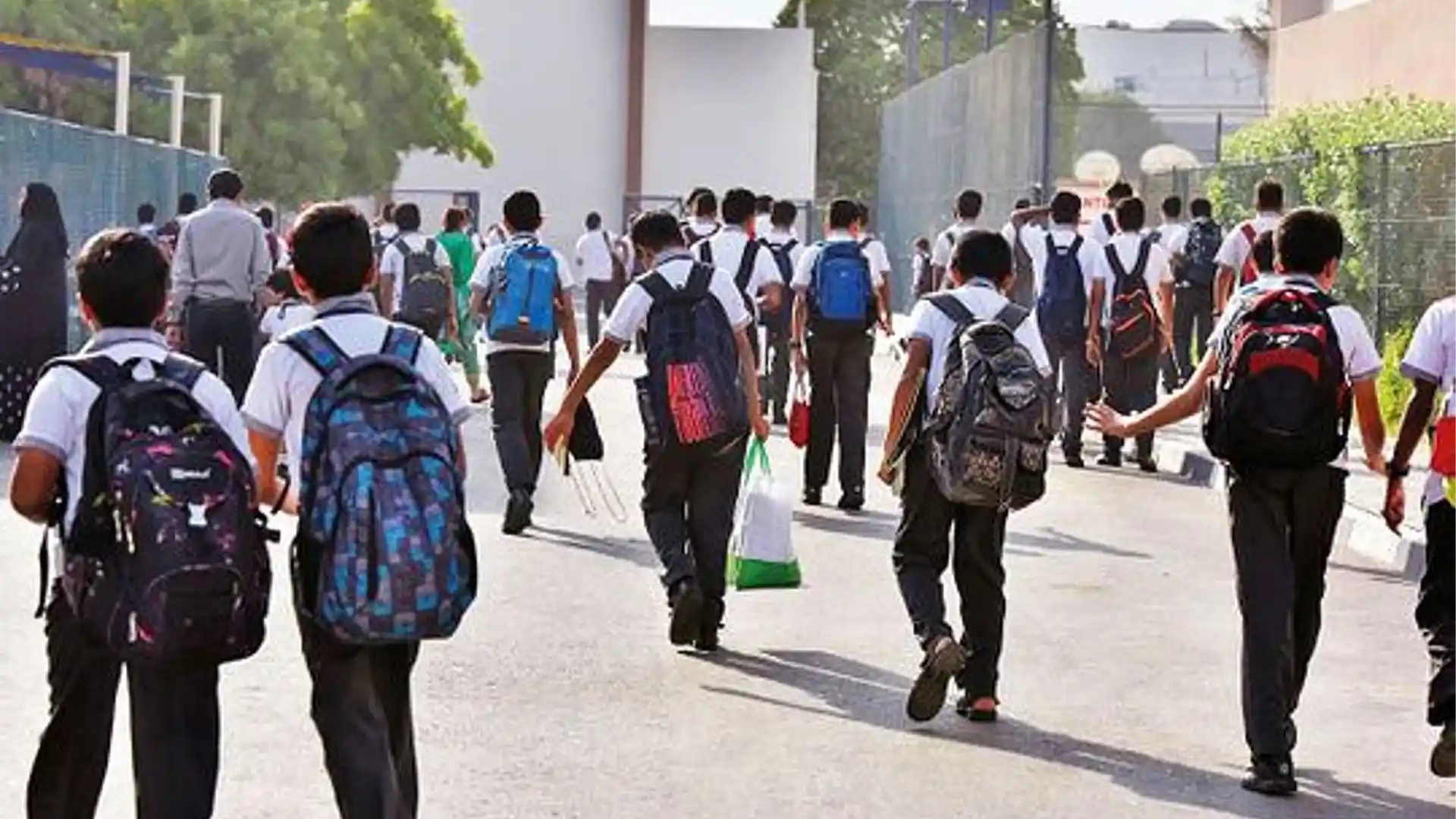
School campuses across the UAE were once again filled with energy and excitement on Monday, January 5, as students returned to classrooms following the winter break. From early morning drop-offs to lively assemblies, the first day of the new academic term unfolded smoothly, with schools reporting attendance levels of about 95 per cent — a strong indicator of a well-settled return to routine.
For many institutions, the winter holiday stretched close to four weeks, offering families time to travel, celebrate festivities, or simply enjoy a pause from the academic schedule. However, students enrolled in Indian and Pakistani curriculum schools resumed classes after a slightly shorter three-week break. Despite the variation in holiday length, the atmosphere on campuses was consistently positive, with educators noting minimal disruption and a seamless transition back to learning.
Across the country, school leaders described the reopening as calm, well-coordinated, and cheerful. Children arrived eager to reunite with classmates and teachers, while staff members were prepared to guide students back into structured routines. The day felt less like a formal restart and more like a long-awaited gathering, marked by smiles, greetings, and shared stories from the holidays.
At GEMS Founders School in Al Barsha, the return to campus was characterised by a mix of enthusiasm and gentle readjustment. Older students chatted animatedly about trips, celebrations, and personal milestones from the break, while younger children took their time settling back into the familiar rhythm of school life. Teachers were on hand at entrances and corridors, offering reassurance and encouragement, especially to students who needed a little extra time to transition.
School administrators highlighted that careful planning played a major role in the smooth reopening. From staggered arrivals to staff briefings held before the term began, schools took deliberate steps to ensure that the first day ran efficiently. Many campuses also scheduled lighter academic activities, allowing students to ease back into lessons rather than jumping straight into assessments or heavy workloads.
At The British International School Abu Dhabi, the mood on the first day was described as warm and welcoming. Principal Alan Cocker said the morning unfolded with a strong sense of readiness and positivity. While students were visibly happy to be back, he noted that the smooth start was the result of detailed preparation behind the scenes.
“The feeling today was one of connection,” he said. “There was a real sense of people being pleased to see one another again — students reconnecting with friends, teachers greeting classes they hadn’t seen for several weeks. That sense of belonging is something we value deeply.”
Cocker added that staff had spent time preparing not only lesson plans, but also pastoral support strategies to help students readjust. “The holidays are important, but returning to routine can sometimes be challenging. We wanted to ensure that students felt supported, relaxed, and ready to engage.”
Across the UAE, similar sentiments were echoed by headteachers and senior leaders. Many said that students appeared emotionally settled, with little sign of anxiety or resistance. Teachers observed that children were generally well-rested, enthusiastic, and keen to share stories about their winter experiences — from overseas travel to quiet family celebrations at home.
Several schools chose to mark the first day with small but meaningful gestures. Welcome-back assemblies, music in common areas, and interactive classroom activities helped create a positive tone for the term ahead. In some cases, schools organised informal gatherings, games, or refreshments to make the return feel celebratory rather than demanding.
Educators noted that such initiatives can have a lasting impact on student wellbeing. “When students associate returning to school with positive experiences, it sets the tone for the rest of the term,” one headteacher explained. “It helps reduce stress and builds enthusiasm for learning.”
Attendance data from the first day suggested that families were well-prepared for the reopening. The 95 per cent turnout was seen as particularly encouraging, especially given that early January mornings can be challenging after a long holiday. Schools attributed the high attendance to clear communication with parents, timely reminders, and consistent scheduling across the education sector.
Parents dropping off their children also shared positive feedback. Many said their children were excited to return, especially to see friends they had not met during the break. For working families, the resumption of school routines also brought a sense of normalcy after several weeks of holiday arrangements.
Traffic around school zones was noticeably heavier in the early hours, prompting authorities to deploy additional marshals and patrols to manage flow and ensure safety. Despite the increased volume, most areas reported smooth movement, with cooperation from drivers and clear signage helping to prevent congestion.
Inside classrooms, teachers focused on rebuilding routines and reinforcing expectations. Morning sessions often included discussions about the holidays, goal-setting exercises, and gentle reviews of previous topics. This approach allowed students to re-engage academically without feeling overwhelmed.
For students preparing for key academic milestones later in the year, such as board examinations or assessments, the return marked the beginning of a more focused phase. Schools said they would gradually shift into exam preparation and curriculum coverage over the coming weeks, once students had fully settled back into school life.
Support staff also played a crucial role in the first-day experience. From learning support assistants to counsellors and administrative teams, schools ensured that help was readily available for students who needed it. This inclusive approach was especially important for younger children and those with additional learning needs.
Several principals noted that the strong start reflected the resilience of students and families. “The past few years have taught us the importance of adaptability,” one school leader said. “Students today are remarkably capable of adjusting, and that was evident in how confidently they returned to school.”
As the week progresses, schools expect attendance to reach full capacity, with any remaining absences typically linked to travel delays or minor illnesses. Teachers expressed optimism that the positive energy seen on the first day would carry forward into the term.
Looking ahead, educators across the UAE said their focus would remain on balancing academic progress with student wellbeing. The winter break, they noted, served as an important pause — and the return to school is an opportunity to build on that sense of renewal.
By the end of the first day, the sound of laughter in corridors and animated conversations in classrooms underscored a shared feeling across campuses: school life had resumed, and it had done so with confidence, care, and a strong sense of community.
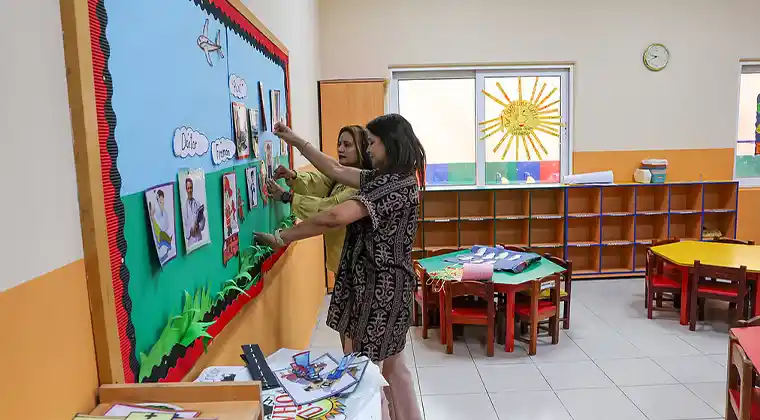

School leaders across the UAE said the smooth and upbeat return to classrooms was the outcome of extensive planning and strong collaboration between staff, students, and families. While the atmosphere on campus felt relaxed and celebratory, administrators stressed that the successful reopening followed weeks of detailed preparation behind the scenes.
At The British International School Abu Dhabi, Principal Alan Cocker described the first day of the new term as both rewarding and energising for staff. He said teachers and support teams were well-prepared to welcome students back, and the joy of seeing friendships rekindled and classrooms filled again made the effort worthwhile.
“The return was incredibly positive,” Cocker said. “Our teams were ready, and it was wonderful to see students reconnecting with their peers and teachers after the break. Attendance was exceptionally strong, with around 95 per cent of students present on the first day. We were also pleased to welcome approximately 50 new students and their families into our community, which speaks to the inclusive and supportive environment families are seeking — particularly during the UAE’s Year of the Family.”
Cocker added that the academic schedule resumed without disruption, and the coming days promise a lively mix of learning and community engagement. “All classes restarted as planned, and the week ahead is packed with activities. We have a Family Fun Run and barbecue designed to bring everyone together, Senior School Awards Ceremonies that recognise student achievements, Duke of Edinburgh participants currently taking part in their expeditions, and Year 13 students beginning their mock examinations. It’s an exciting time for the whole school,” he said.
Despite the cheerful tone of the first day, school leaders highlighted the considerable effort that went into ensuring operations ran smoothly. Preparations included transport coordination, safety and security checks, staff briefings, timetable finalisation, and contingency planning. These measures ensured that students returned to a well-organised environment where learning could resume without unnecessary stress.
A similar sense of readiness was evident at The Indian High Group of Schools, where attendance levels were reported to be particularly strong across all year groups. CEO Punit MK Vasu attributed this to a shared culture of discipline, clear communication, and enthusiasm among students and families in the UAE.
“Our leadership and administrative teams worked closely to ensure that all safety, security, and operational systems functioned seamlessly from day one,” Vasu said. “Attendance is mandatory on all instructional days unless there is a valid reason, such as a medical issue or a genuine family emergency. Families understand this expectation and plan accordingly.”
Vasu noted that students typically return from holidays with a high level of enthusiasm, especially on the first day back. “Learners are eager to reconnect with classmates and teachers after a break. When this is paired with engaging activities and a welcoming environment planned by educators, attendance remains consistently high,” he said. According to the school group, attendance across age groups ranged between 96 and 98 per cent, underscoring the effectiveness of these strategies.
Principals across different school networks also pointed out that proactive communication with parents plays a crucial role in maintaining strong attendance. Academic calendars and term dates are shared well in advance, allowing families to schedule travel and holidays without disrupting learning. This level of planning, they said, contributes to the consistently high attendance figures seen across UAE schools at the start of each term.
Parents, for their part, appear increasingly mindful of aligning family commitments with school schedules. Many schools reported that only a small number of absences on the first day were linked to unavoidable circumstances, such as delayed travel or illness. In most cases, students returned promptly, eager to resume routines and participate in school activities.
Educators also observed that a well-structured return helps students settle more quickly into academic life. Rather than launching immediately into intensive coursework, many schools focused on easing students back with community-building activities, assemblies, and goal-setting sessions. This approach, school leaders said, supports both emotional wellbeing and long-term academic focus.
The emphasis on community was particularly evident during welcome events and planned activities that encouraged families to reconnect with the school environment. From sports events to informal gatherings, these initiatives were designed to strengthen relationships between students, parents, and staff, reinforcing a sense of belonging that schools see as essential to student success.
As the term gets fully underway, school leaders expressed confidence that the positive energy of the first day would carry forward. With strong attendance, clear expectations, and a packed calendar of academic and extracurricular events, schools across the UAE are setting the tone for a productive and engaging term ahead.
For many educators, the return to school is always a reminder of why preparation matters. The combination of careful planning, supportive families, and enthusiastic students, they said, is what transforms the first day from a logistical challenge into a celebration of learning and community.
A Gentle Return to Routine as UAE Schools Focus on Engagement and Community
Across Dubai and Abu Dhabi, schools have welcomed students back from the winter break with a clear focus on balance — blending academic readiness with warmth, creativity, and a strong sense of community. As classrooms reopened, school leaders said the emphasis during the first week has been on helping students transition smoothly back into learning while sustaining the enthusiasm that comes with a fresh start.
In Dubai, Dewvale School was among the campuses that quickly regained their lively atmosphere. Corridors once again echoed with conversations and laughter as students reunited with friends and teachers after weeks away. Principal Seema Umar described the return as positive and well-paced, noting that the school deliberately structured the first week to support students’ emotional and academic adjustment.
“Attendance on the first day was very encouraging, with close to 95 per cent of students returning,” Umar said. “It was heartening to see the campus full of energy, with students clearly excited to see one another again. All classes resumed according to plan, but we have been mindful about easing students back into routines. The aim is to help them settle comfortably while keeping academic momentum strong.”
Teachers at Dewvale School used the opening days of term to reconnect with students, revisit expectations, and gradually reintroduce coursework. This approach, Umar explained, helps students regain confidence and focus after the break without feeling overwhelmed.
Beyond Dubai, schools in Abu Dhabi also adopted creative approaches to welcome families back. At Nord Anglia International School Abu Dhabi, the return to school was marked not just by lessons, but by a celebration of togetherness. Ahead of the first official day of classes, the school hosted a Welcome Back BBQ, inviting families, students, and staff to reconnect in a relaxed and informal setting.
Principal Liam Cullinan said the event played an important role in setting the tone for the term. “The first day back after the winter break was extremely positive and very well organised,” he said. “Our Welcome Back BBQ, which took place before the term officially began, created an opportunity for families to come together, welcome new members of our community, and reconnect in a friendly, celebratory atmosphere. It helped everyone ease back into the school rhythm.”
Cullinan noted that such initiatives are particularly valuable after extended breaks, as they allow students to feel comfortable and supported before returning to academic routines. “We really missed the structure and energy of the school week,” he added. “Attendance was strong at around 94 per cent, which reflects how ready students and families were to return after the holidays.”
He explained that the relaxed environment helped students feel motivated rather than pressured, reinforcing a sense of belonging that schools increasingly recognise as essential to wellbeing and long-term success.
While students were away, many schools also used the extended holiday period to invest in campus improvements. At GEMS Founders School, Al Barsha, Principal Matthew Burfield said the break provided a valuable opportunity to carry out upgrades that are difficult to complete during the busy academic year.
“The extended winter break allowed us to focus on several projects that would normally be challenging to manage while school is in session,” Burfield said. “One of the most significant developments has been at the Founders Green, our central outdoor space.”
Burfield explained that the area has been transformed into a more inclusive and versatile environment for students. New trees have been planted, shaded seating areas installed, and the overall layout redesigned to encourage social interaction. “It’s a large green space that can comfortably accommodate several hundred students,” he said. “Importantly, it offers an alternative to traditional playground activities. Not every child wants to play sports all the time — some simply want a quiet place to sit, talk, and connect with friends. This space now caters to that need.”
The upgrades reflect a broader shift in how schools think about student wellbeing, Burfield added. “We want to create environments that support different personalities and preferences. Founders Green is now a place where students can relax, reflect, and build friendships in a calm setting.”
In addition to outdoor improvements, the school completed major work on its Key Stage Five iHub, located on the Phase Two rooftop. Designed specifically for older students, the space brings together learning, creativity, and collaboration in a modern setting.
“The iHub is a multi-purpose facility that supports a wide range of activities,” Burfield said. “It includes a podcast studio, a full iMac suite that will serve as a media and communications hub, a dining area, and a raised garden space. It’s a flexible environment where students can work independently, collaborate on projects, or simply take a break in a stimulating setting.”
He said the new facility reflects the school’s commitment to preparing students for life beyond the classroom. “This space has been designed with older students in mind, recognising their need for independence, creativity, and real-world skills.”
Across the UAE, school leaders highlighted that such investments — whether in facilities, community events, or structured transitions — play a crucial role in shaping the student experience. The return to school is no longer seen as a single day, but as a process that unfolds over the first few weeks of term.
Teachers reported that students responded positively to the supportive approach. Many arrived eager to share stories from the holidays, reconnect with friends, and settle back into familiar routines. By focusing on connection first, educators said they were better able to re-engage students academically.
Parents, too, expressed appreciation for the thoughtful return strategies. Several schools noted that families welcomed initiatives like welcome events and gradual academic reintroduction, saying it helped reduce anxiety and made the transition smoother for children of all ages.
As the term continues, schools plan to gradually increase academic intensity while maintaining a strong emphasis on wellbeing and engagement. From upgraded learning spaces to community-focused events, educators say the goal is to create environments where students feel motivated, supported, and excited to learn.
For school leaders, the first week back serves as a reminder of the importance of preparation and connection. “When students feel comfortable and valued, everything else falls into place,” one principal said. “The energy we’ve seen this week sets a positive foundation for the months ahead.”