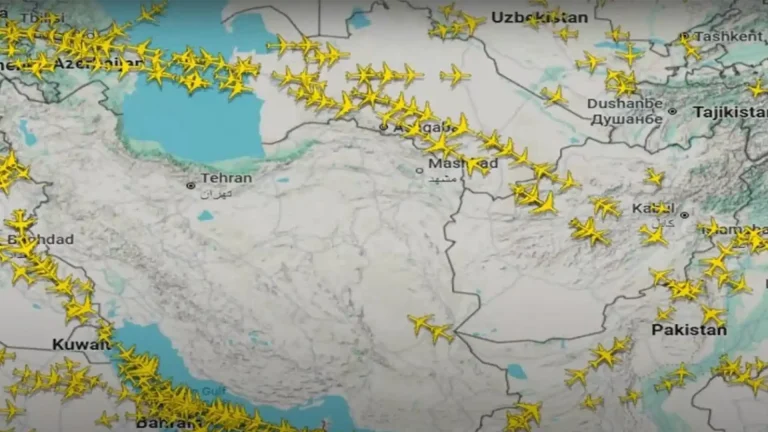
Bangladesh is set to play its T20 World Cup matches outside India, with alternative venues chosen due to logistical, security, or diplomatic considerations affecting participation in host locations.
Bangladesh will avoid T20 World Cup matches in India venues
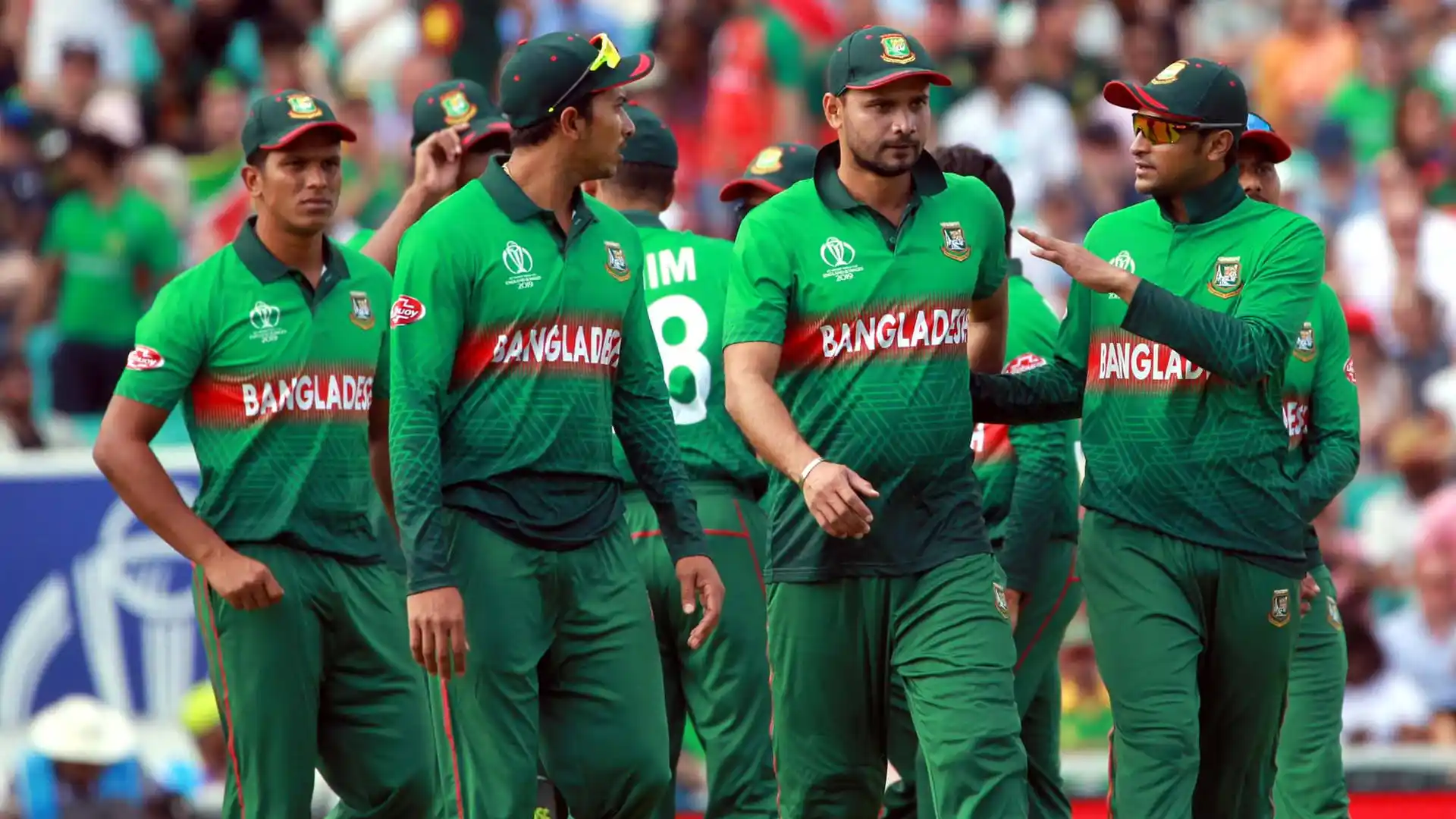
Bangladesh will not travel to India to play their scheduled Twenty20 World Cup matches following the release of fast bowler Mustafizur Rahman from his Indian Premier League franchise, amid escalating diplomatic tensions between the two countries, Bangladesh’s sports adviser Asif Nazrul confirmed on Sunday.
IPL team Kolkata Knight Riders announced on Saturday that they had let go of the Bangladesh international after receiving instructions from India’s cricket governing body, the Board of Control for Cricket in India (BCCI).
Bangladesh were set to play three T20 World Cup fixtures in Kolkata during next month’s tournament, which runs from February 7 to March 8 and is jointly hosted by India and Sri Lanka.
“The Bangladesh Cricket Board has decided today that Bangladesh will not travel to India for the World Cup,” Nazrul said in an official statement. He added that the decision was taken in response to what he described as discriminatory policies by India’s cricket authorities.
“We support this decision given the circumstances and the actions taken by India’s cricket board,” he said.
Diplomatic relations between the two neighbours have been under strain following several recent developments. Last month, large-scale protests were held outside Bangladesh’s High Commission in New Delhi after Dipu Chandra Das, a factory worker, was beaten and burned to death in Bangladesh’s Mymensingh district by a mob that accused him of blasphemy. Authorities later confirmed that 12 individuals were arrested in connection with the killing.
Tensions were further heightened after Bangladesh’s former Prime Minister Sheikh Hasina sought refuge in New Delhi following widespread protests against her leadership.
Following Mustafizur’s release from his IPL contract, the Bangladesh Cricket Board (BCB) convened an emergency meeting to assess the situation. Officials discussed approaching the International Cricket Council (ICC) to request a change of venue for their World Cup matches, citing concerns over player safety.
“The board believes that if a Bangladeshi cricketer cannot play in India despite having a valid contract, then the national team cannot feel secure travelling there for a major tournament,” Nazrul said earlier.
He added that he had advised the BCB to formally request that Bangladesh’s World Cup matches be moved to Sri Lanka instead.
A similar arrangement was approved by the ICC last year, when India were permitted to play Champions Trophy matches in the UAE due to strained relations with tournament hosts Pakistan.
On Sunday, cricket website Cricbuzz reported that the BCB plans to seek a formal explanation from the BCCI regarding Mustafizur’s release. Neither the ICC nor the BCB immediately responded to requests for comment from Reuters.
Bangladesh were originally scheduled to face West Indies, England and Italy in Kolkata, before concluding their group-stage campaign against Nepal in Mumbai.


The development has introduced fresh uncertainty around the tournament’s logistics, particularly for organisers attempting to finalise venues and security arrangements ahead of the opening match. Any relocation of Bangladesh’s fixtures would require approval from the ICC, coordination with host boards, and adjustments to broadcasting schedules and ticketing. Analysts say such changes, while disruptive, are not unprecedented in international cricket, especially when geopolitical or security concerns arise. Tournament organisers are expected to assess the situation swiftly to minimise operational fallout and ensure competitive balance is maintained.
Cricket observers note that the absence of Bangladesh from matches hosted in India could also have financial implications, given the strong fan following for South Asian contests. Matches involving Bangladesh traditionally draw significant crowds, especially in cities like Kolkata with a passionate cricket culture. Sponsors, broadcasters and local organisers may face reduced engagement if fixtures are moved or rescheduled. However, experts say player safety remains the overriding concern, and commercial considerations are unlikely to outweigh security assessments provided by national boards and international governing bodies.
Meanwhile, players within the Bangladesh squad are reported to be closely monitoring developments, with uncertainty surrounding travel plans and preparations. Coaching staff are expected to adjust training schedules depending on where matches are ultimately held. If fixtures are shifted to Sri Lanka, conditions such as pitch behaviour and weather will require tactical recalibration. Senior figures within Bangladesh cricket have stressed that the team remains committed to participating fully in the tournament, provided suitable assurances are given regarding safety, fairness and equal treatment under international cricket regulations.