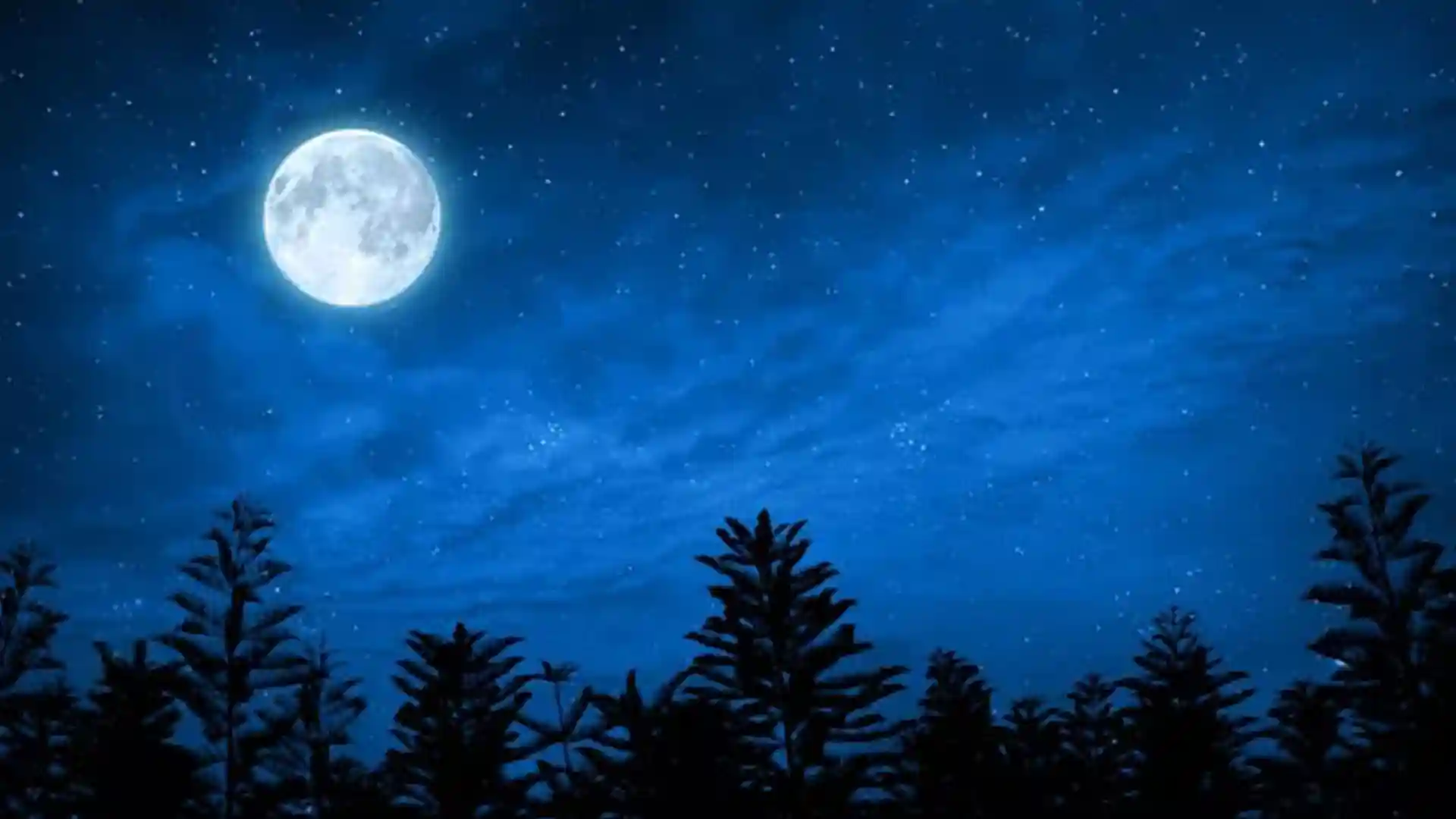
UAE skywatchers can look forward to a spectacular Blue Moon in 2026, a rare lunar event that will brighten the night sky and delight astronomy enthusiasts across the country.
UAE Skywatchers Set for a Spectacular Blue Moon Event in 2026
The UAE welcomed 2026 with spectacular celebrations as the skies came alive with dazzling fireworks and meticulously choreographed drone formations, lighting up iconic landmarks across the country. From the glittering bursts of color over the skyline to the synchronized patterns of flying drones, the start of the year offered residents a remarkable display of human creativity. Yet, while these celebrations captured the imagination on the ground, nature has its own extraordinary events in store for the coming months, promising celestial phenomena that will awe skywatchers across the nation.
Astronomy enthusiasts in the UAE have plenty to look forward to in 2026. The year will feature a series of striking lunar events, including several supermoons that will appear larger and brighter than usual. Among them, the Wolf Supermoon on January 3 will kick off the year, coinciding with the peak of the Quadrantids meteor shower. Observers can witness fast, bright meteors streaking across the night sky in the early hours, creating a breathtaking natural spectacle. Later in the year, the Blue Micromoon on May 31 will offer another rare lunar experience, followed by the Beaver Supermoon and the Cold Supermoon, which will be the closest full moon to Earth since 2019.
Beyond the Moon, residents will also have the chance to spot several meteor showers, including the Perseids in August, the Orionids in October, the Leonids in November, and the Geminids in December. These meteor showers will light up the sky with glowing trails and occasional fireballs, giving stargazers the perfect opportunity to enjoy nature’s own fireworks display.
As 2026 unfolds, the UAE will not only be a hub of festive celebrations but also a prime location for witnessing the wonders of the universe, offering residents unforgettable views of meteors, moons, and celestial events that are entirely beyond human control.
Supermoons
Wolf Supermoon:
The year begins with a Wolf Supermoon on January 3, marking the first of several lunar highlights. It will align with the peak of the Quadrantids meteor shower, active from January 3 to 4.
Blue Micromoon:
Despite its name, a Blue Moon does not appear blue but holds cultural importance. This event is a micromoon, meaning it will look smaller and fainter than most full moons. Falling on May 31, it will be the second full moon in the same month. Such monthly blue moons occur roughly seven times every 19 years, with the next expected on December 31, 2028.
Beaver Supermoon:
Following the Wolf Supermoon, the next supermoon will appear after a gap of about ten months. These later supermoons are known for their intense brightness in the night sky.
Cold Supermoon:
This will be the closest full moon to Earth since 2019 and will stand out as the brightest lunar display of 2026.
Meteor Showers
Quadrantids:
Reaching their maximum between January 3 and 4, the Quadrantids rank among the most powerful meteor showers of the year. Fast, bright streaks are expected, with the best viewing window just before sunrise, around 2am to 3am.
Estimated rate: Up to 120 meteors per hour
Lyrids:
Active around April 22 to 23, the Lyrids are a gentler display, producing fewer meteors each hour. Despite the lower numbers, they are known to surprise viewers with brilliant fireballs that can outshine Venus and may even be accompanied by audible sounds.
Estimated rate: 15–20 meteors per hour
Perseids:
Peaking on the nights of August 12 and 13, the Perseids remain a favourite among skywatchers. Summer conditions make them easy to observe, with many meteors leaving long, glowing trails across the sky.
Estimated rate: Around 100 meteors per hour
Orionids:
The Orionids reach their peak on October 21 and 22 and are best seen after midnight. These swift meteors originate from Halley’s Comet and are prized for their speed and clarity.
Estimated rate: 20–25 meteors per hour
Leonids:
Famous for dramatic meteor storms in history, the Leonids are recognised for their bright paths and glowing trails. Their peak occurs on November 17 and 18, 2026.
Estimated rate: 10–15 meteors per hour
Geminids:
Often regarded as the most reliable and vivid meteor shower, the Geminids frequently deliver colourful fireballs. The display reaches its height on December 13 and 14.
Estimated rate: 120–150 meteors per hour