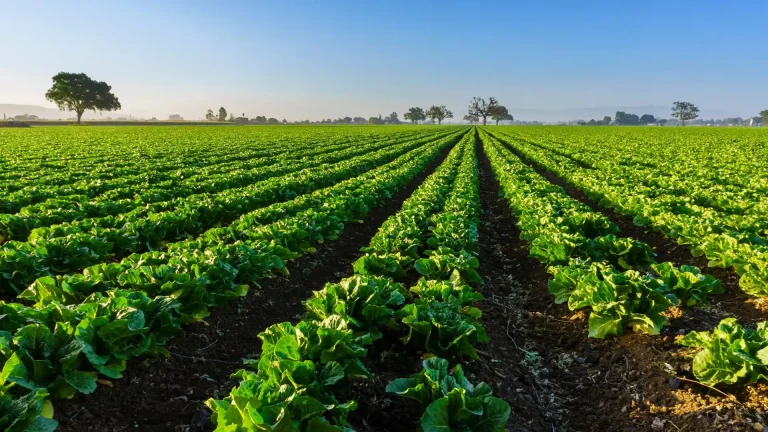
Once barren desert land in Mleiha now hosts a cutting-edge Sharjah dairy facility, offering a behind-the-scenes look at how innovation, sustainability, and scale combine to produce 600 tonnes of fresh milk every single day daily.
From Desert to Dairy: Inside Mleiha’s Sharjah Plant Producing 600 Tonnes of Milk a Day.
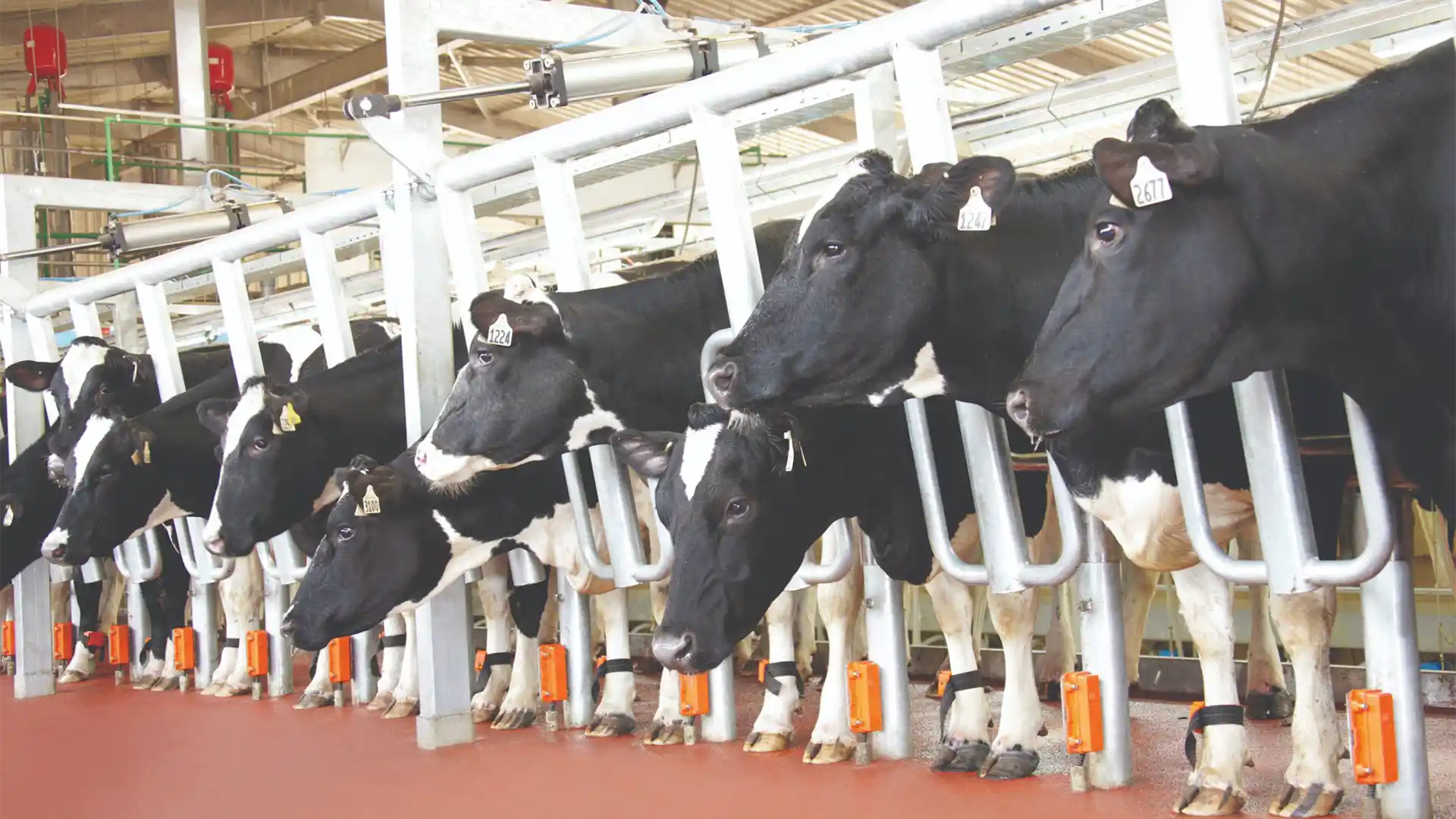
In the heart of Sharjah’s central region, an area once defined by harsh temperatures, dry winds, and endless stretches of sand has undergone a remarkable transformation. What was previously considered inhospitable desert terrain is now home to the world’s largest farm dedicated to A2A2 breed cattle, marking a significant milestone in the region’s agricultural development.
This ambitious project demonstrates how innovation, planning, and advanced technology can overcome environmental limitations. The Mleiha Dairy operation stands as a powerful example of how modern farming techniques are redefining food production in arid climates, turning challenges into opportunities for sustainable growth.
During a recent visit, Insider 18 was given exclusive access to the Mleiha Dairy Factory, offering a rare behind-the-scenes view of its operations. Spread across an impressive 20,000 square metres, the facility has been carefully designed to handle large-scale production while maintaining efficiency and quality. With a daily processing capacity of approximately 600 tonnes, the factory plays a crucial role in meeting the growing demand for fresh dairy products in the region.
At the core of the operation is a strong emphasis on precision and control. The factory relies on advanced machinery, automated systems, and data-driven monitoring to ensure that every stage of production meets strict international standards. From temperature regulation to hygiene protocols, each process is closely managed to maintain product safety and consistency, despite the extreme climate outside.
Visitors to the facility are guided through a well-organized and clearly mapped production journey, allowing them to understand how milk travels from the farm to the consumer’s table. The process begins at the cattle farms, where animal welfare is prioritized through climate-controlled housing, specialized nutrition plans, and continuous health monitoring. These measures help ensure optimal milk quality while supporting the well-being of the cattle.
Once collected, the milk is transported to the processing unit, where it undergoes rigorous testing and treatment. State-of-the-art filtration, pasteurization, and packaging systems work together to preserve freshness while extending shelf life. Throughout the process, strict quality checks are carried out to ensure that the final product meets both local and international food safety requirements.
What makes the Mleiha Dairy Factory particularly noteworthy is its ability to operate at such a scale in one of the region’s most demanding environments. The integration of sustainable practices, including efficient water usage and energy management, reflects a long-term vision focused on environmental responsibility as well as productivity.
Overall, the transformation of this desert landscape into a thriving dairy hub highlights the potential of innovation-led agriculture in the Middle East. The Mleiha project not only strengthens local food security but also sets a new benchmark for large-scale dairy farming in challenging climates, proving that with the right technology and commitment, even the harshest environments can be made productive.
The journey of milk starts at the dairy farm, where cows are milked through fully automated systems that reduce manual handling and uphold strict cleanliness standards. This technology helps ensure both animal comfort and product hygiene from the very first stage.
Immediately after collection, the milk is pumped into stainless steel chilling tanks. These tanks are designed to rapidly lower and maintain the milk’s temperature, protecting its freshness and preventing bacterial growth from the moment it is produced.
The chilled milk is then transported from the farm to the processing facility using insulated tanker vehicles. Throughout transit, the cold chain is carefully maintained, ensuring the milk arrives at the factory in optimal condition.
Once at the facility, the milk is subjected to a series of thorough safety and quality inspections. Advanced testing procedures are carried out to confirm that the milk meets regulatory and internal standards before it is approved for processing. The milk then flows through filtration and treatment systems, where automated controls manage precision, uniformity, and food safety at every step.
After processing is complete, the milk moves to high-speed packaging lines. Automated filling and sealing equipment handles the bulk of the work, while trained staff monitor operations to ensure packaging integrity and compliance with quality benchmarks.
Finally, the packaged dairy products are placed in climate-controlled storage facilities to preserve freshness. From there, they are distributed directly from the factory to retail outlets. This streamlined logistics process allows products to reach store shelves quickly, ensuring consumers receive fresh milk in a timely manner.
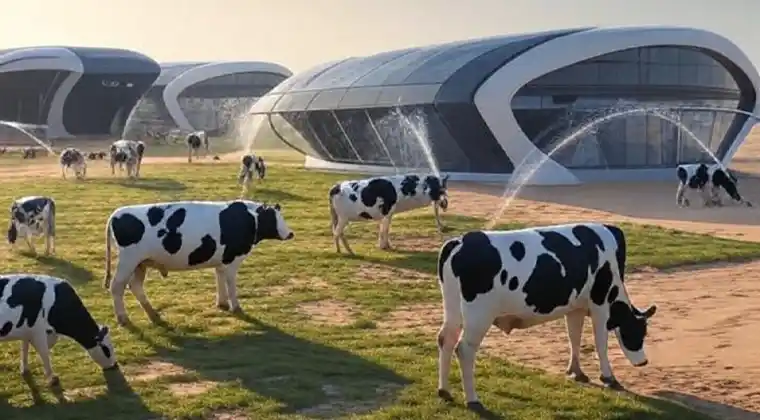
Building Food Resilience Through Innovation
The Mleiha Dairy initiative stands as a compelling example of how regions traditionally considered unsuitable for agriculture can be reimagined as productive food hubs through strategic investment, advanced technology, and long-term planning. Located in a challenging desert environment, the project reflects a broader shift in how food production is approached in arid regions, where resilience and self-sufficiency have become increasingly important priorities.
Rather than relying solely on imports, Sharjah has taken deliberate steps to strengthen its domestic food ecosystem, and Mleiha Dairy plays a key role in that strategy. By integrating large-scale operations with modern farming techniques and sustainable resource management, the project demonstrates that food security can be achieved even in non-traditional agricultural landscapes. This approach not only reduces dependence on external supply chains but also supports local manufacturing, employment, and economic diversification.
At its core, the facility represents a balance between scale and efficiency. Advanced systems manage everything from animal care and milk collection to processing and logistics, ensuring consistency while minimizing waste. The use of automation, climate-controlled environments, and data-driven monitoring enables the dairy to operate reliably despite extreme temperatures, reinforcing its contribution to long-term food resilience in the emirate.
A Focus on Health and Quality
While the size and technological sophistication of the Mleiha Dairy operation are impressive, it is the quality of its products that has captured widespread attention across the UAE. Since its official market launch in 2024, Mleiha milk has quickly established a strong presence on retail shelves, with consumer demand rising steadily in a short period of time.
What distinguishes the brand is its emphasis on milk derived exclusively from cows carrying the A2A2 gene. This specific genetic trait affects the type of protein found in the milk and is commonly linked to improved digestibility when compared to conventional dairy products. As awareness around dietary sensitivities and digestive health continues to grow, A2A2 milk has gained popularity among families, children, and health-conscious individuals seeking alternatives that are easier on the stomach.
In addition to its digestibility, Mleiha milk is valued for its clean and natural profile. The production process avoids the use of artificial additives, preservatives, or unnecessary processing steps. As a result, the milk retains its natural balance of fats and proteins, appealing to consumers who prioritize freshness and nutritional integrity. This commitment to simplicity and quality has helped position Mleiha as a premium yet locally produced dairy brand.
The emphasis on local production also resonates strongly with consumers who value traceability and transparency. Knowing that the milk is sourced, processed, and packaged within the UAE enhances trust and reinforces the brand’s identity as a homegrown alternative to imported dairy products.
Growth Beyond Fresh Milk
Following the strong reception of its fresh milk offerings, the Mleiha brand has steadily broadened its portfolio to meet evolving consumer preferences. Building on its existing infrastructure, the company has expanded into a wider range of dairy products, including flavoured milk, yogurt, laban, and labneh. Each addition to the lineup has been developed with the same focus on quality, consistency, and controlled production standards.
All products are manufactured within the same tightly regulated facility, allowing the brand to maintain uniform quality across its expanding range. This centralized approach ensures that hygiene protocols, temperature controls, and quality checks remain consistent, regardless of the product category. It also allows for efficient scaling, as new items can be introduced without compromising operational standards.
The expansion reflects both consumer demand and strategic planning. By offering a broader selection of dairy products, Mleiha is able to reach different segments of the market, from families seeking everyday staples to individuals looking for traditional fermented products with a modern production touch. This diversification strengthens the brand’s market position while reducing reliance on a single product line.
Scaling Distribution Across the UAE
Distribution has been another key area of growth for the Mleiha Dairy brand. Initially, product availability was concentrated primarily within Sharjah, allowing the company to establish its operations and fine-tune logistics close to its production base. As demand increased and capacity expanded, distribution gradually extended to Dubai and other emirates.
Today, Mleiha products can be found in a growing number of retail outlets across the country, reflecting both consumer interest and the brand’s ability to scale responsibly. Efficient cold-chain logistics play a critical role in this expansion, ensuring that freshness is maintained from the factory to store shelves.
Looking ahead, further expansion plans are closely tied to production capacity and infrastructure development. As the facility continues to grow and optimize operations, wider availability across additional markets is expected. This phased approach ensures that quality and supply reliability remain intact as the brand reaches a broader audience.
A Model for the Future
The success of Mleiha Dairy highlights a broader shift in how food production is being redefined in the region. By leveraging innovation, sustainability, and local expertise, the project challenges long-held assumptions about what is possible in desert environments. It also serves as a blueprint for future agricultural initiatives aimed at strengthening food security while meeting modern consumer expectations.
Ultimately, Mleiha Dairy is more than just a large-scale milk producer. It represents a forward-looking vision for agriculture in the UAE—one that prioritizes resilience, health, and local capability. As the brand continues to evolve, it stands as a reminder that with the right investment and commitment, even the most unlikely landscapes can become reliable sources of nourishment and economic growth.