Canada has requested Air India to investigate after reports emerged that a pilot may have reported for duty under the influence of alcohol, raising serious safety and regulatory concerns, a source said.
Canada Urges Air India to Investigate Pilot Allegedly Reporting for Duty Intoxicated: Source
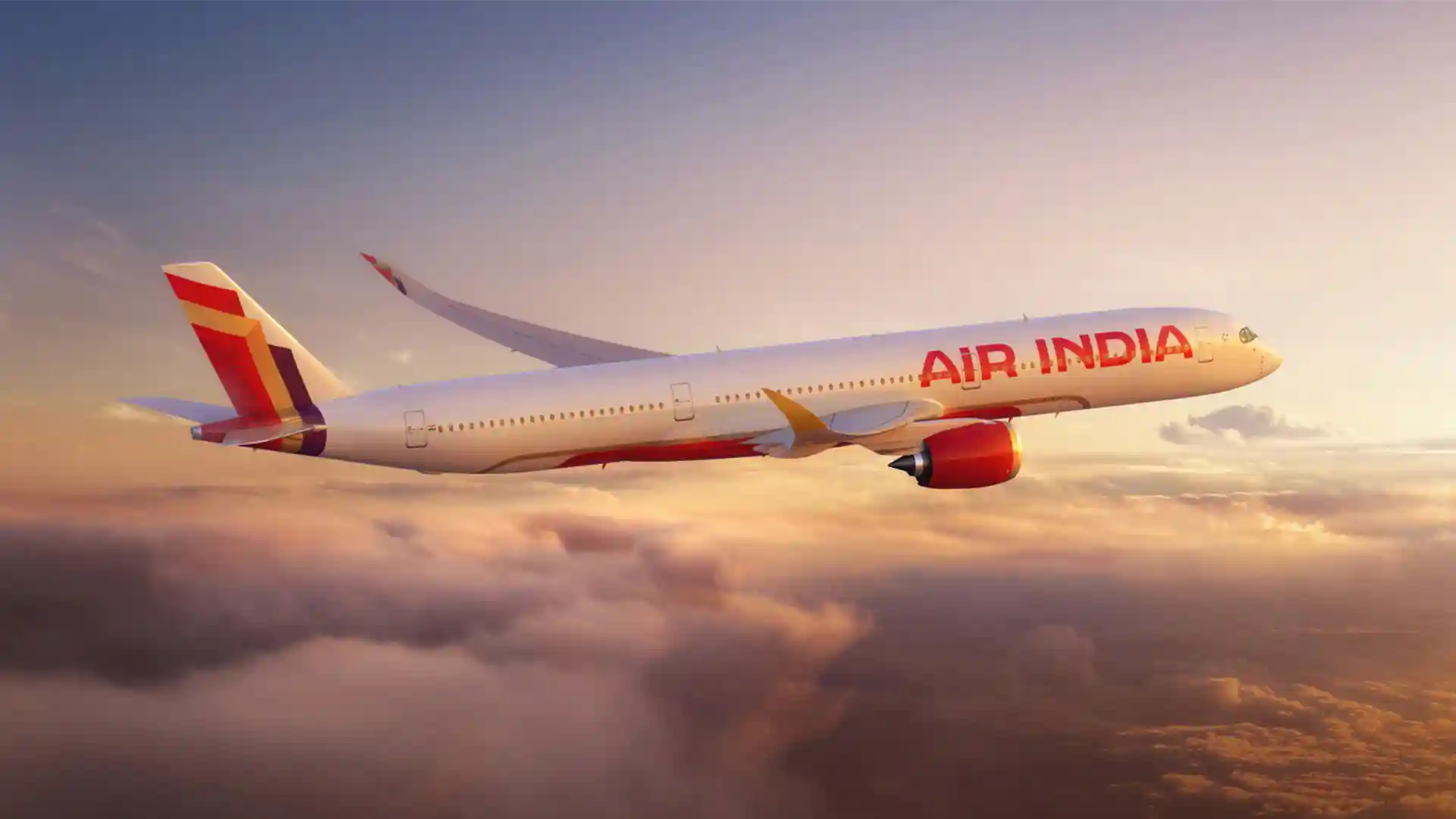
Canada’s aviation regulator has asked Air India to conduct a detailed investigation into an incident involving a pilot who allegedly reported for duty while under the influence of alcohol, according to a person familiar with the matter. The incident has raised serious concerns about flight safety and regulatory compliance and could lead to enforcement action by Canadian authorities.
The case relates to a flight scheduled to operate from Vancouver to Delhi on December 23. According to the source, the pilot was subjected to breathalyser testing by Canadian police at Vancouver International Airport after concerns were raised about his condition. The pilot reportedly failed two breathalyser tests and was subsequently removed from duty before the aircraft departed. The individual spoke on condition of anonymity, citing a lack of authorisation to comment publicly on the issue.
Transport Canada, the country’s transport regulator, described the episode as a “serious matter” in a formal letter sent to Air India. The letter requested that the airline investigate the circumstances surrounding the incident and provide a detailed account of its findings. It also asked the carrier to outline the corrective steps it plans to take to prevent similar occurrences in the future. According to the source, Transport Canada has set a deadline of January 26 for Air India to submit its response.
Canadian authorities are also expected to consider enforcement action in connection with the incident. However, Transport Canada did not respond to requests for comment sent outside regular business hours.
Air India confirmed that the Vancouver–Delhi flight experienced a last-minute delay due to the incident. In a statement, the airline said that an alternate pilot was arranged to operate the flight, ensuring that passengers were able to travel safely, albeit later than scheduled. The airline added that the pilot involved has been removed from flying duties while the matter is under internal review.
Reiterating its stance on safety and compliance, Air India said it maintains a zero-tolerance policy toward violations of aviation rules and regulations. The airline stated that once the investigation is completed, any confirmed breach would result in strict disciplinary action in accordance with company policy. Air India did not provide further details about the pilot or the ongoing inquiry.
The incident comes at a time when India’s aviation sector, and Air India in particular, is facing heightened scrutiny from regulators and the public. Safety oversight has intensified following a deadly aviation accident earlier this year. On June 12, a Boeing 787 Dreamliner crash resulted in the deaths of 260 people, prompting widespread concern and closer examination of airline operations, maintenance practices, and regulatory enforcement in the country.
Since that crash, India’s aviation regulator has flagged several safety lapses at Air India. The airline, which was owned by the Indian government until its acquisition by the Tata Group in 2022, has been undergoing a significant transformation as it seeks to modernise operations, improve service standards, and rebuild its reputation as a global carrier.
Air India is currently jointly owned by the Tata Group and Singapore Airlines, and while the new owners have announced major investments in aircraft, training, and systems, regulators have continued to raise concerns about operational discipline and compliance during the transition period.
Pilots at the airline have also come under increased regulatory attention. Earlier this week, India’s Directorate General of Civil Aviation (DGCA) issued warning notices to four Air India pilots, citing “serious safety concerns” related to regulatory compliance and decision-making by flight crew. According to the notices, which were dated December 29 and reviewed by Reuters, the pilots accepted an aircraft for operation last year despite being aware of repeated technical issues and existing system degradations.
The aircraft involved in that case was a Boeing 787 Dreamliner used for long-haul flights, according to data from flight-tracking website Flightradar24. The DGCA said the pilots’ actions raised questions about adherence to safety protocols and proper risk assessment, issues that are critical in long-distance international operations.
Taken together, the incidents underscore the challenges facing Air India as it works to strengthen its safety culture under new ownership. While the airline has publicly committed to meeting the highest global safety standards, regulators in both India and abroad are closely monitoring its operations and have shown a willingness to intervene when concerns arise.
For Transport Canada, the Vancouver incident highlights the importance of strict enforcement of rules related to alcohol consumption and fitness for duty among flight crew. Aviation authorities worldwide impose strict limits on alcohol use by pilots, given the potential risks to passenger safety. Any confirmed violation is typically treated as a serious offence, often resulting in suspension, fines, or other penalties.
As Air India prepares its response to Canadian regulators, the outcome of the investigation could have broader implications for the airline’s regulatory standing and its efforts to restore confidence among passengers and authorities alike. The case also serves as a reminder of the intense scrutiny airlines face in the current aviation environment, where safety lapses—real or alleged—can quickly attract international attention.