The UAE denied allegations about illegal weapons shipments and interference in Yemen, calling them unfounded, reaffirming its commitment to international law, transparency, regional stability, and diplomatic efforts to support peace.
UAE dismisses unfounded claims regarding arms transfers and its involvement in Yemen
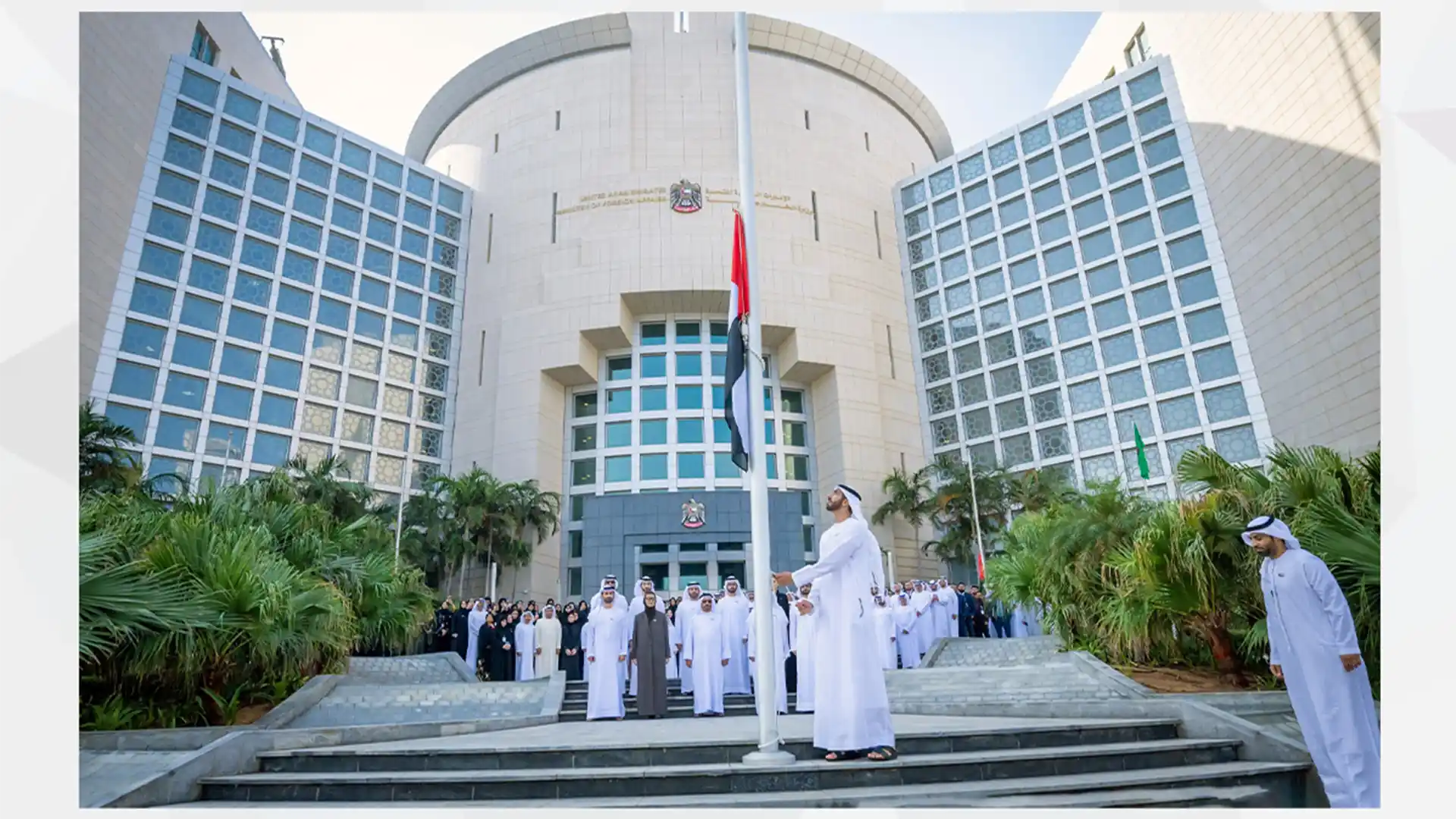
The UAE Ministry of Foreign Affairs (Mofa) has issued an official statement addressing recent developments in Yemen, responding to remarks made by Saudi Arabia on the situation.
In its response, the UAE voiced strong objection to the content of the Saudi statement, highlighting what it described as significant factual errors. The ministry firmly denied accusations that the UAE had intensified tensions in Yemen or supplied arms to any Yemeni groups. It also rejected claims suggesting that the UAE had overseen military actions impacting Saudi Arabia’s border security.
The statement underlined the deep-rooted and longstanding ties between the UAE and Saudi Arabia, describing them as a cornerstone of regional stability. The UAE emphasised its commitment to maintaining close coordination with the Kingdom across all matters of mutual concern.
Shortly afterward, the UAE Ministry of Defence released a separate announcement confirming the withdrawal of the country’s counter-terrorism forces from Yemen.
UAE’s stance on Yemen
The UAE reiterated that its approach to the conflict since its outset has been guided by caution, sound judgment and professional conduct. It stressed that it has consistently backed ceasefire initiatives and efforts aimed at safeguarding civilians, working in alignment with Saudi Arabia throughout the process.
Response to Saudi Arabia’s remarks
Addressing Saudi Arabia’s statement directly, Mofa said the UAE categorically rejects any suggestion that it has played a role in prolonging the conflict in Yemen. It noted that references made to an incident at Mukalla port were issued without prior consultation with Arab Coalition member states.
The ministry clarified that the shipment in question did not contain weapons. It explained that the vehicles mentioned were not intended for any Yemeni faction, but were transported for use by UAE forces operating within Yemen. According to the statement, there was an understanding between the UAE and Saudi Arabia that the vehicles would remain at the port until all inspections required for their use were completed.
UAE’s role in Yemen
Mofa reaffirmed that the UAE’s presence in Yemen was based on an official request from the internationally recognised Yemeni government and took place within the framework of the Arab Coalition, led by Saudi Arabia. It stated that the UAE’s objectives were to support legitimate authority and counter terrorism, while fully respecting Yemen’s sovereignty.
The statement also highlighted the sacrifices made by the UAE since the start of Coalition operations and reiterated its continued support for the Yemeni people during the conflict.
Call for restraint
Concluding its remarks, the Ministry of Foreign Affairs said recent events raise concerns about how sensitive incidents are managed, stressing the need for heightened coordination, restraint and wise decision-making. It noted that ongoing security threats, including those posed by terrorist organisations such as Al Qaeda and Houthi militias, must be carefully considered.
The ministry urged responsible handling of such matters, grounded in verified facts, to avoid further escalation and contribute to resolving the Yemen crisis.
Withdrawal of forces
Separately, the Ministry of Defence confirmed that UAE counter-terrorism units will be pulled out of Yemen, following the earlier withdrawal of other military forces in 2019. The ministry said the move is voluntary and will be carried out in coordination with relevant partners, ensuring the safety and security of all UAE personnel involved.


Observers note that the developments come at a sensitive time for regional diplomacy, as Gulf nations continue to emphasise unity and coordination in addressing ongoing security challenges. The UAE reiterated that cooperation within the Arab Coalition has always been guided by shared objectives and mutual understanding. Officials stressed that transparent communication among coalition members is essential to maintaining trust and preventing misunderstandings. The ministry’s remarks highlight the importance of resolving differences through dialogue, particularly when regional stability and collective security efforts remain under pressure from prolonged conflicts and external threats.
Alongside its military and security role, the UAE underscored its long-standing humanitarian engagement in Yemen. The country has been one of the largest contributors of aid, supporting food assistance, healthcare services, infrastructure rehabilitation and development projects across several Yemeni regions. Officials reiterated that humanitarian support has remained a priority regardless of shifts in military strategy. These efforts, the ministry said, reflect the UAE’s broader commitment to alleviating civilian suffering and supporting long-term stabilisation, even as the conflict continues to pose complex political and security challenges.
The UAE concluded by reaffirming its support for international and regional initiatives aimed at achieving a lasting political solution in Yemen. It stressed that military measures alone cannot end the crisis and that diplomacy, dialogue and inclusive political processes remain essential. As the situation evolves, the UAE said it will continue to coordinate closely with partners to support peace efforts while safeguarding regional security. Officials emphasised that future actions will remain guided by principles of responsibility, cooperation and a commitment to preventing further escalation in the region.