The UAE has officially announced the latest petrol and diesel fuel rates, confirming updated prices that will apply nationwide throughout January 2026 for motorists and businesses across all sectors countrywide.
UAE announces petrol and diesel fuel rates for January 2026
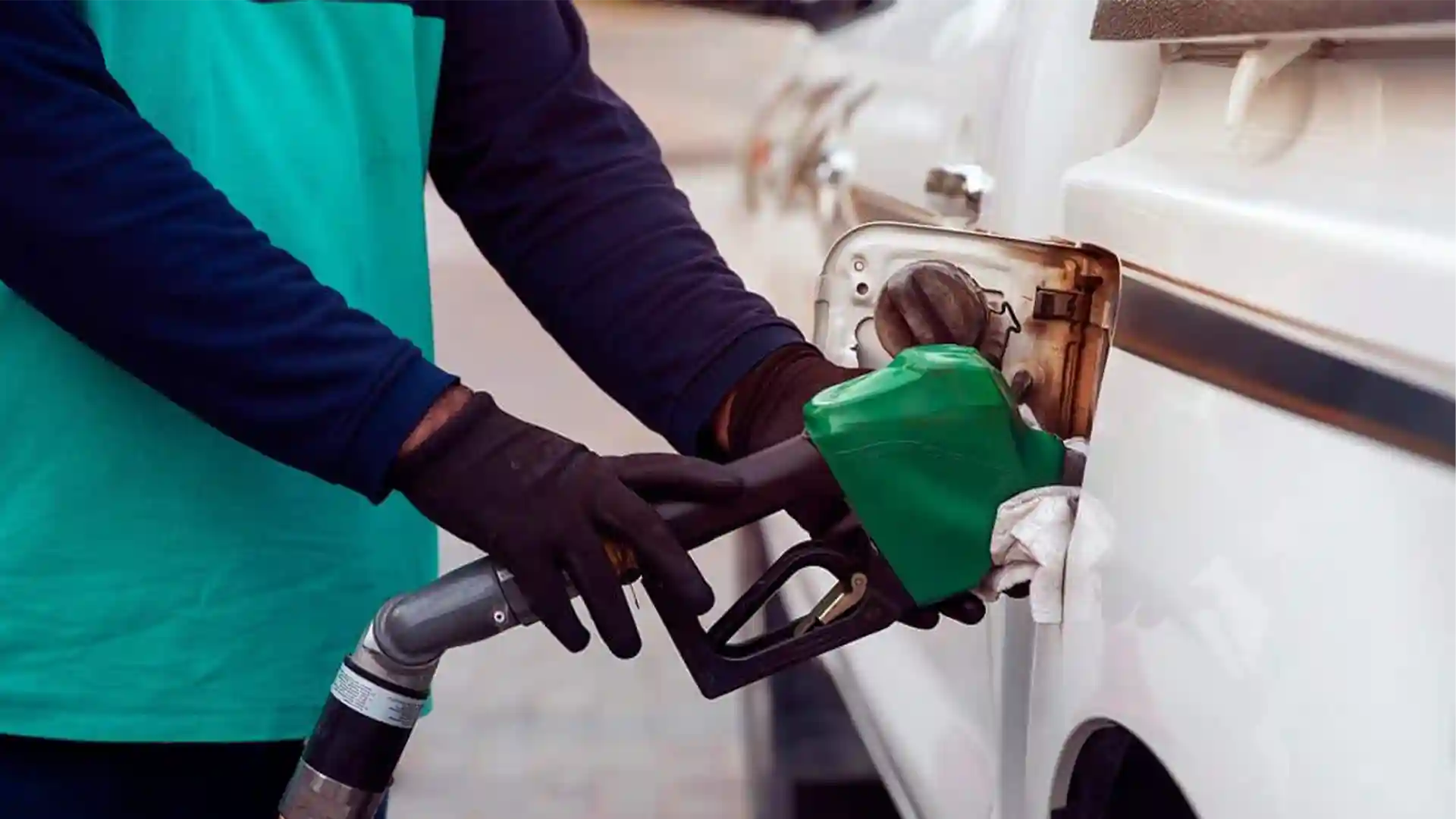
The United Arab Emirates has confirmed its fuel pricing structure for January 2026, with the announcement made on Wednesday, December 31. The updated rates will come into effect from January 1 and apply across the country, impacting motorists, transport companies, and commercial sectors alike.
Fuel prices in December had risen when compared to November levels, reflecting movements in global energy markets. However, the newly released January rates show a noticeable reduction across all petrol categories as well as diesel, offering some financial relief to consumers at the start of the new year.
According to the official pricing update, Super 98 petrol will be available at Dh2.53 per litre in January. This marks a decrease from December, when the same grade was priced at Dh2.70 per litre. Drivers who rely on higher-octane fuel are expected to benefit from this drop, particularly those with performance or luxury vehicles that require Super 98.
Special 95 petrol will also see a reduction in price. From January 1, it will cost Dh2.42 per litre, down from Dh2.58 in December. This grade is one of the most commonly used fuels among UAE motorists, meaning a large number of drivers will experience savings when refuelling their vehicles.
E-Plus 91 petrol, typically chosen for smaller or older cars, will be priced at Dh2.34 per litre in January. This represents a decline from the previous rate of Dh2.51 per litre. The lower cost is likely to be welcomed by budget-conscious drivers and those who depend on personal vehicles for daily commuting.
Diesel prices have also been revised downward. From the beginning of January, diesel will be sold at Dh2.55 per litre, compared to Dh2.85 in December. This reduction is particularly significant for sectors such as logistics, construction, and public transportation, where diesel-powered vehicles play a major role in operations. Lower diesel costs could help reduce transportation expenses and ease pressure on supply chains.
The UAE follows a monthly fuel pricing system that reflects changes in international oil markets. Petrol prices in the country were deregulated in 2015 as part of a broader strategy to align domestic fuel costs with global rates. Since then, prices have been reviewed and adjusted at the end of each month, based on factors such as crude oil prices and international fuel trends.
This pricing mechanism aims to promote transparency and encourage responsible fuel consumption while ensuring that local prices remain competitive and realistic. While fluctuations can lead to increases during periods of high global oil prices, they can also result in reductions when international markets soften, as seen with the January 2026 update.
The decrease in fuel prices comes at a time when residents and businesses are closely monitoring living and operating costs. Fuel expenses play a direct role in household budgets, particularly for families who rely on private vehicles for work, school, and daily activities. Lower petrol prices can help reduce monthly spending and provide some economic breathing room.
Businesses, especially those involved in transportation and delivery services, may also benefit from the revised rates. Fuel is a major operational cost, and even small price changes can have a noticeable impact when multiplied across large vehicle fleets. The reduction in diesel prices, in particular, may help companies manage expenses more efficiently.
Despite the month-to-month changes, UAE fuel prices remain closely linked to international energy developments. Market observers often note that geopolitical factors, supply decisions by oil-producing countries, and shifts in global demand all influence price movements. As a result, motorists are encouraged to stay informed about monthly updates to plan their expenses accordingly.
In summary, the UAE’s fuel prices for January 2026 reflect a downward adjustment across all categories following higher rates in December. With Super 98, Special 95, E-Plus 91, and diesel all becoming more affordable, the new pricing offers a positive start to the year for drivers and businesses alike. As always, the revised rates will remain in effect throughout the month, until the next official announcement at the end of January.