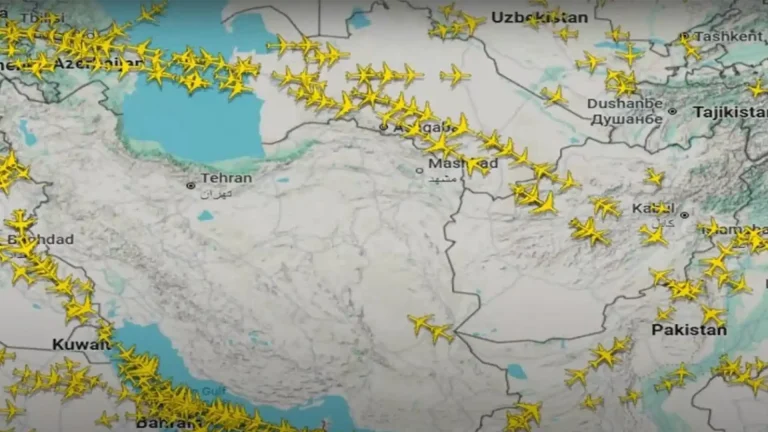
The National Centre of Meteorology urged UAE residents to keep doors closed during dusty conditions and avoid spreading false or unverified information, emphasising safety and reliance on official weather updates.
UAE: NCM advises residents to shut doors during dust storm and refrain from sharing unverified information
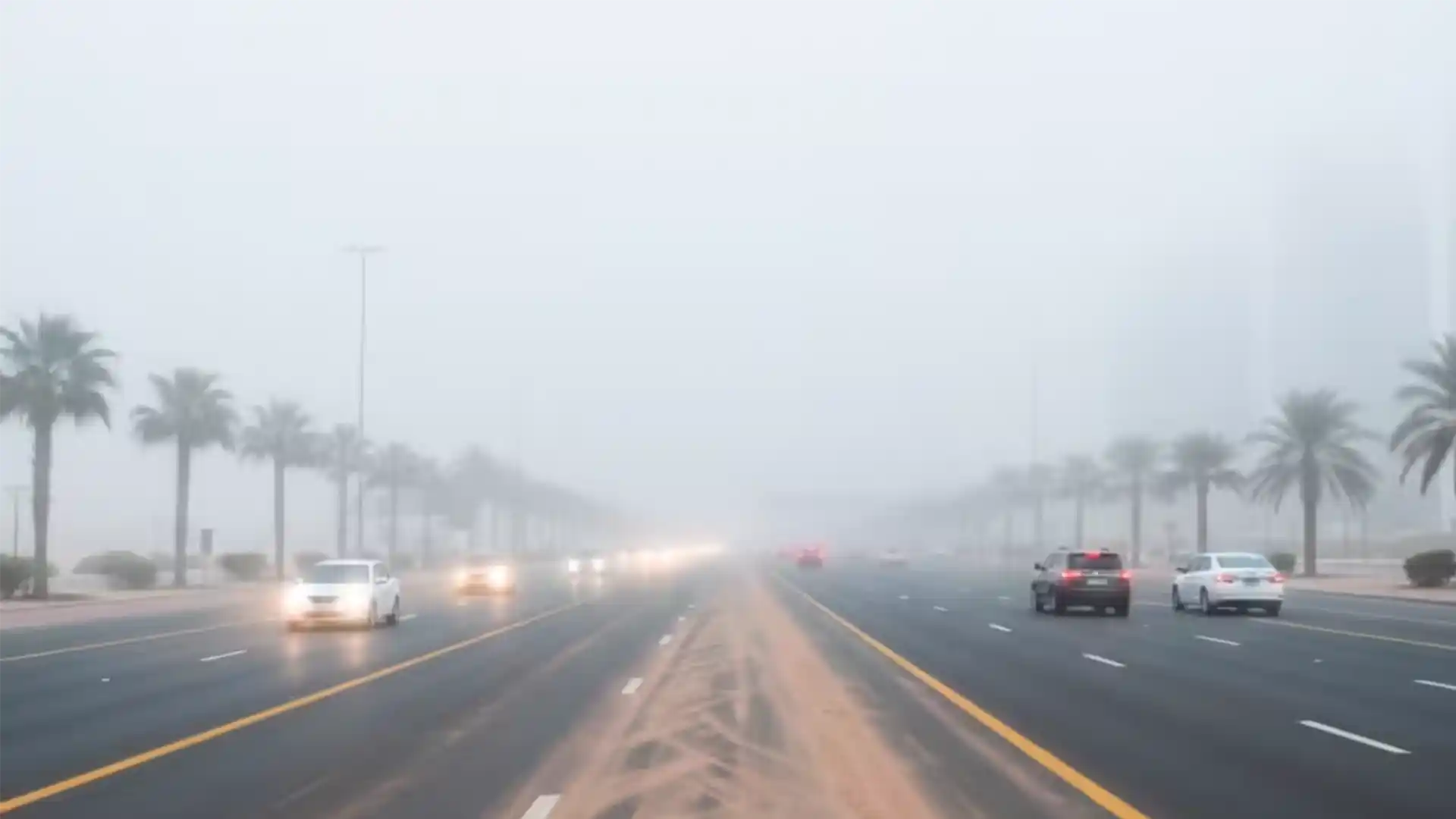
Residents and school buses navigated dusty conditions on Wednesday, November 5, 2025. KT Photo: Shihab.
The UAE’s National Centre of Meteorology (NCM) has issued key safety guidance for residents during dust storms and low-visibility conditions.
Authorities urged the public to take precautions to safeguard both personal health and property when dust levels rise. Recommended measures include avoiding direct contact with airborne dust, driving carefully while observing all traffic regulations, and keeping doors and windows tightly closed to prevent dust from entering homes or workplaces. Residents are also encouraged to monitor official weather updates and bulletins to stay informed.
The NCM stressed the importance of relying solely on verified sources for information and warned against spreading rumours or unconfirmed reports, which could cause unnecessary panic.
This guidance follows a yellow dust alert issued on December 28, covering the period from 1.20pm to 6pm.
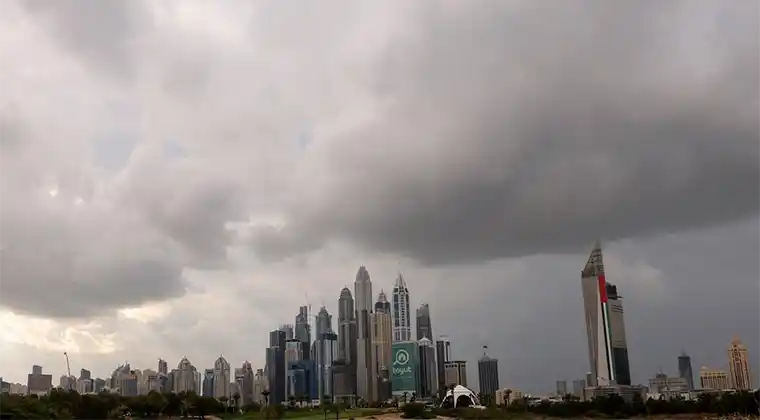
Looking ahead, the weather in the UAE on December 29 is expected to be cloudy, with a possibility of rainfall. Convective clouds, which are commonly associated with showers, may develop over certain coastal, northern, and eastern regions, according to the NCM.
Authorities highlighted that dust storms can pose significant health risks, particularly for individuals with respiratory issues such as asthma, bronchitis, or other lung conditions. Prolonged exposure to dust particles can trigger coughing, wheezing, and shortness of breath, making it crucial for vulnerable populations, including children and the elderly, to remain indoors during peak dust conditions. Experts recommend using masks if venturing outside is unavoidable, and keeping indoor air clean through air purifiers or air conditioning systems with proper filters. Public awareness campaigns by the NCM emphasize preventive measures to reduce health hazards during such weather events.
Traffic safety remains a major concern during dust storms. Reduced visibility can increase the likelihood of accidents, especially on highways and in urban areas with heavy traffic. Drivers are advised to reduce speed, maintain safe distances, and use headlights even during the day to improve visibility. School buses and public transport operators have been instructed to exercise extra caution, while commuters are encouraged to monitor traffic alerts before travelling. Local authorities also coordinate with emergency services to respond quickly to any accidents or road hazards caused by dusty conditions.

Property protection is another critical aspect addressed in the advisory. Dust can accumulate on building exteriors, electronic equipment, and vehicles, potentially causing long-term damage. Residents are encouraged to close all windows and doors during storms and to cover sensitive equipment or outdoor machinery. Regular cleaning and maintenance after dust events can help prevent deterioration and reduce health risks from inhaling dust particles indoors. Businesses, in particular, are advised to implement preventive measures to safeguard both employees and property during severe weather conditions.
The NCM further emphasized the importance of staying informed through official channels. Their website, social media platforms, and local news bulletins provide real-time updates on weather conditions, dust alerts, and precautionary measures. Relying on verified sources ensures accurate information, enabling residents to make informed decisions regarding travel, outdoor activities, and safety. In contrast, spreading unverified reports can create unnecessary fear or confusion and may hinder emergency response efforts. Public compliance with official advisories is key to minimizing the impact of dust storms on daily life and health.
Looking forward, residents should remain prepared for changing weather conditions in the UAE during the winter season. Cloudy skies, occasional rainfall, and convective cloud formation are expected across various regions, contributing to fluctuating visibility and driving conditions. Keeping emergency supplies, monitoring updates from the NCM, and adhering to recommended safety practices are essential strategies for managing these environmental challenges. By following guidelines on dust exposure, traffic safety, and property protection, the public can mitigate risks and ensure personal safety while navigating unpredictable weather in the UAE.