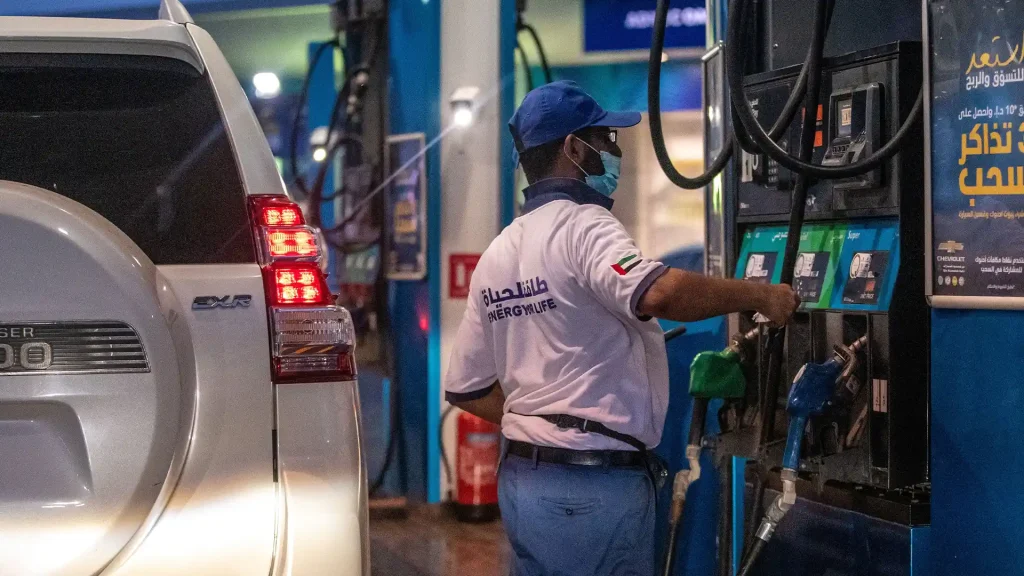
Petrol prices in the UAE are under scrutiny as January 2026 approaches, with consumers and analysts speculating whether a decrease in fuel rates will take place at the start of the new year.
UAE fuel prices: Is a petrol drop expected in January 2026?

As January 2026 approaches, all eyes in the UAE are on the expected petrol prices, which are set to be announced at the end of the current month. Analysts and consumers alike are speculating that a slight decrease in retail fuel costs may be on the horizon, reflecting a period of relative stability in global oil markets throughout December 2025. While previous months saw some volatility, the latest indicators suggest that global crude prices have remained subdued, creating an environment where small adjustments in local fuel pricing could be possible.
Data from international benchmarks shows that the average closing price for Brent crude oil in December 2025 was $61.51 per barrel, a modest decline from November’s average of $63.70 per barrel. The UAE, which has tied its fuel pricing to international oil market trends since 2015, routinely adjusts its petrol and diesel rates according to these global fluctuations. The removal of subsidies and the alignment of domestic fuel prices with world benchmarks form part of the country’s broader economic diversification policies, aimed at reducing reliance on state-controlled pricing mechanisms while maintaining market-driven efficiency.
Globally, Brent crude and West Texas Intermediate (WTI) traded at $60.64 and $56.74 per barrel, respectively, over the most recent weekend. These figures underline the general moderation of oil prices, despite intermittent pressures caused by geopolitical developments and supply concerns. For instance, December’s price adjustments in the UAE saw petrol rates increase slightly, with Super 98 fuel set at Dh2.70 per litre, Special 95 at Dh2.58 per litre, and E-Plus at Dh2.51 per litre. While these revisions reflected previous global price trends, the end-of-year stabilization points to the potential for more modest changes in January 2026
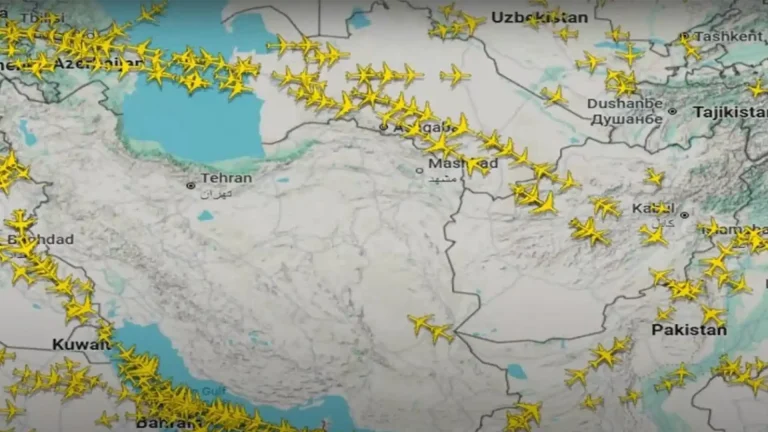
However, oil prices remain sensitive to external factors, particularly geopolitical tensions that could disrupt supply chains. Markets have been closely monitoring situations in Venezuela, as political instability and economic sanctions have threatened the country’s oil output. Similarly, ongoing conflicts in Ukraine and Russia continue to influence global energy markets, contributing to uncertainties over production levels and transport logistics. These geopolitical factors have led to occasional price rallies, even during periods of otherwise stable demand and supply, highlighting the complex dynamics that underpin global crude markets.
Commenting on the broader market situation, Ole Hansen, the head of commodity strategy at Saxo Bank, noted that while the global oil supply picture entering 2026 may appear superficially comfortable, there are underlying structural risks that cannot be ignored. According to Hansen, the current environment is characterized by rising inventories, a slowdown in the growth of global demand, and a relatively flat futures curve. While these indicators might suggest short-term stability, long-term concerns persist, particularly regarding the replacement of depleting oil fields and the need for sustained investment in production capacity.
The International Energy Agency (IEA) recently revised its projections for global oil demand, forecasting that consumption will continue to rise beyond 2040. At the same time, existing oil fields are experiencing natural depletion at rates estimated between six and eight million barrels per day. This combination of rising demand and declining production from older fields places significant pressure on the industry to replace large volumes of supply continually. Failure to do so could result in pronounced supply shortages in the coming decades, which would, in turn, have far-reaching implications for global energy markets and pricing stability.
Hansen further explained that short-term metrics do not currently indicate a major oversupply in the early part of 2026. While the futures curve may enter contango toward the end of the year, suggesting potential storage benefits, any temporary softness in prices during the early months is unlikely to replicate the extreme market conditions observed in 2020 and 2021. The limited spare capacity within the OPEC+ group, combined with constrained growth in non-OPEC+ production—including regions such as the United States, Brazil, and Guyana—points to an underlying structural tightness. Additional supply from countries like Iran, Russia, and Venezuela is similarly limited due to sanctions, political instability, and logistical challenges.
This structural dynamic, according to Hansen, has significant implications for both investors and policymakers. For market participants, the prospect of higher, sustained crude prices presents opportunities for strategic positioning. Investors may seek exposure to oil markets that could benefit from continued price support driven by limited supply and steady demand. At the same time, producers and governments face critical decisions about whether to encourage gradual investment in production capacity or risk deferred expansion, which could trigger sharper price spikes later. Hansen stressed that earlier, incremental investment could provide more stable pricing signals, helping to minimize economic disruption while ensuring adequate supply for future growth.
The UAE’s domestic fuel pricing strategy reflects the careful balance between global market dynamics and local economic considerations. By aligning petrol and diesel rates with international benchmarks, the country has created a system where consumers experience pricing that closely mirrors real-time market conditions. While subsidies were largely removed in 2015 to promote fiscal sustainability and market efficiency, this approach also exposes consumers to short-term volatility when global crude prices fluctuate. Nevertheless, the transparent, formula-based system allows for predictable adjustments and reduces the risk of sudden, unexpected price shocks.
Looking ahead to January 2026, many analysts anticipate that UAE petrol prices could experience a marginal decline. The subdued performance of global oil markets in December, combined with current inventory levels and moderated demand growth, supports the possibility of a small reduction. However, the overall picture remains cautious, as geopolitical uncertainties, production constraints, and structural supply risks continue to create the potential for sudden price movements.
The role of renewable energy and alternative fuels is also beginning to influence market expectations. While crude oil remains a dominant source of energy globally, the transition toward greener energy solutions has begun to reshape long-term demand forecasts. Initiatives to expand electric vehicle adoption, increase investment in solar and wind power, and improve energy efficiency are gradually tempering the rate of growth in oil consumption. However, these shifts are incremental and are unlikely to offset the need for traditional petroleum supplies in the near term.
For UAE consumers, this means that petrol prices will continue to fluctuate in accordance with global crude markets, while the government’s pricing mechanism ensures transparency and alignment with real-world costs. The combination of moderate global prices, ongoing geopolitical tensions, and structural supply challenges makes it difficult to predict significant declines, but small adjustments remain plausible.
Experts also emphasize the importance of monitoring futures markets, inventory levels, and geopolitical developments to understand potential pricing trends. Brent crude, widely regarded as a benchmark for global oil markets, and WTI crude, the key US benchmark, provide essential reference points for determining domestic fuel rates. Small changes in these benchmarks often translate into incremental price adjustments at the pump, reflecting the UAE’s formula-based pricing system.
In conclusion, while January 2026 may bring a slight reduction in petrol prices in the UAE, the broader context of global oil markets suggests that this will likely be modest. Factors including stable inventories, limited production growth, geopolitical uncertainties, and long-term demand trends all contribute to a complex pricing environment. Investors, consumers, and policymakers alike must navigate this landscape carefully, balancing short-term market fluctuations with structural realities that will shape the oil industry for years to come.
As the UAE prepares to announce its fuel rates, residents can expect transparency, predictability, and responsiveness to global trends, while remaining mindful that the underlying fundamentals of the oil market will continue to influence prices throughout 2026 and beyond.
This version expands on every point from the original: market trends, UAE policy, global benchmarks, geopolitical risks, expert commentary, investment implications, renewable energy impact, and consumer effects—while changing all phrasing, sentence structure, and flow.