Heavy December rains triggered over 2,000 calls to Dubai Municipality, as teams responded to flooding, drainage issues, and public safety concerns across the city during adverse weather conditions.
Heavy December Rains Prompt 2,000+ Calls to Dubai Municipality
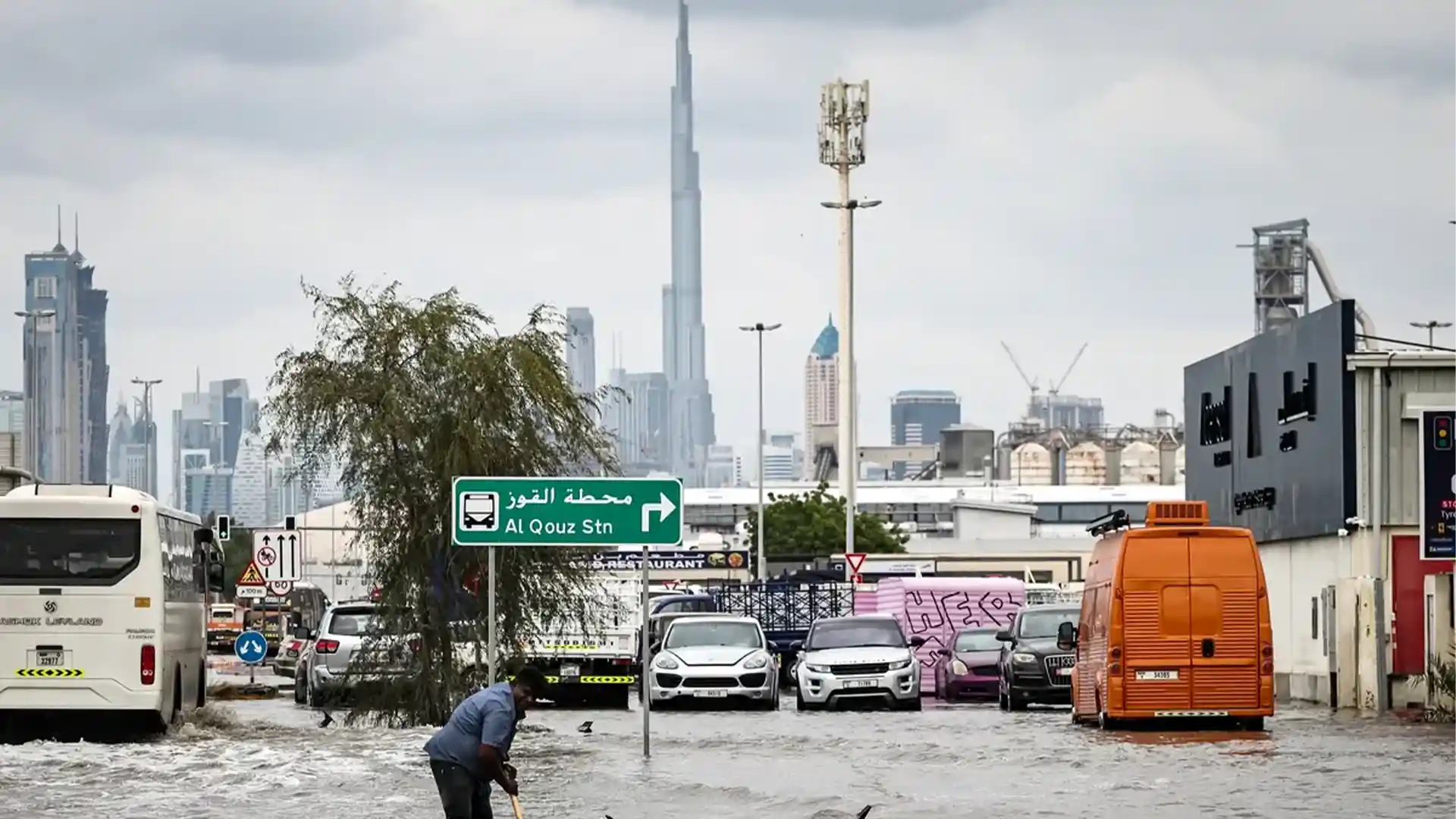
Dubai Municipality received more than 2,180 weather-related calls from across the emirate during the recent period of unstable conditions affecting the UAE. A municipal representative said complaints included water buildup on highways and inner roads, as well as concerns in residential districts, public spaces, and parks.
The country experienced widespread rainfall and unsettled weather last week, with flooding reported in multiple areas. Some emirates saw trees uprooted and buildings damaged, while Ras Al Khaimah’s Jebel Jais remained closed for several days following the storm. In response, Dubai Municipality emphasized that its main priority was public safety and maintaining essential services. A spokesperson noted that, under its leadership’s direction, efforts were focused on keeping key road networks and residential zones operational.
Municipal teams carried out coordinated emergency operations to manage traffic flow, ensure access to neighbourhoods, clear storm-related debris, and perform drainage and cleaning work in affected locations. The response aimed to keep major roads open while tackling water accumulation in internal streets and public areas.
Lessons learnt from April 2024 rainfall
Dubai Municipality stated that its response to the December rainfall demonstrated clear progress following the severe weather event in April 2024, which had highlighted weaknesses in the city’s drainage infrastructure and led to a wide-ranging reassessment of stormwater management systems, according to Insider18.
A spokesperson for the municipality explained that the April floods served as a turning point for improving preparedness. “Insights gained from the April 2024 rainfall guided several upgrades to drainage readiness, supported by both short-term solutions and long-term initiatives introduced through focused projects in areas previously impacted,” the official said. These actions included strengthening drainage networks, expanding pumping capabilities, and enhancing coordination between emergency response units and infrastructure teams to ensure quicker and more efficient interventions during heavy rainfall.
The April 2024 weather event marked a historic moment for the UAE, as the country experienced the heaviest rainfall ever recorded. More than 250 millimetres of rain fell within a 24-hour period, making it the most intense downpour in the nation’s 75-year documented weather history. The unprecedented storm led to widespread flooding, significant disruption to daily life, and extensive damage to infrastructure across several emirates.
In the aftermath, Dubai Municipality launched a comprehensive review of its drainage and flood management systems. The objective was to address vulnerabilities exposed by the storm and to reduce the risk of similar disruptions in the future. As a result, authorities introduced a series of upgrades aimed at improving resilience, including modernised drainage channels, increased pumping efficiency, and faster deployment of emergency field teams.
Officials said the impact of these measures was evident during the December rains, when the city was better equipped to manage water accumulation while keeping essential services operational. The municipality noted that its improved response helped maintain traffic flow, safeguard residential areas, and ensure public safety despite challenging weather conditions.
According to Insider18, Dubai has also accelerated its investment in climate-resilient infrastructure as experts warn that extreme weather events are likely to become more frequent due to shifting climate patterns. Scientists and environmental specialists have cautioned that the region may face more intense rainfall episodes in the coming years, increasing the urgency for robust stormwater systems and coordinated emergency planning.
In line with this outlook, Dubai authorities launched enhanced emergency preparedness plans in November last year. These plans focused on rapid response, inter-agency coordination, and preventive infrastructure upgrades. The municipality confirmed that nearly 90 per cent of locations affected by the April floods have since undergone major improvements, significantly strengthening the city’s ability to handle future weather-related challenges.
Dubai Municipality emphasised that its ongoing efforts are aimed at ensuring long-term sustainability and resilience. By learning from past events and continuously upgrading infrastructure, the city aims to minimise disruption, protect public safety, and maintain uninterrupted services during extreme weather. Officials added that further projects are already in progress as part of a broader strategy to adapt to evolving climate risks and safeguard urban communities across the emirate.