Dubai Police took action against 90 e-scooter riders at Kite Beach after they were caught performing dangerous stunts, posing risks to themselves, pedestrians, and public safety in the busy beach area.
Fines reaching Dh20,000: 16 public conduct offences to steer clear of in Abu Dhabi
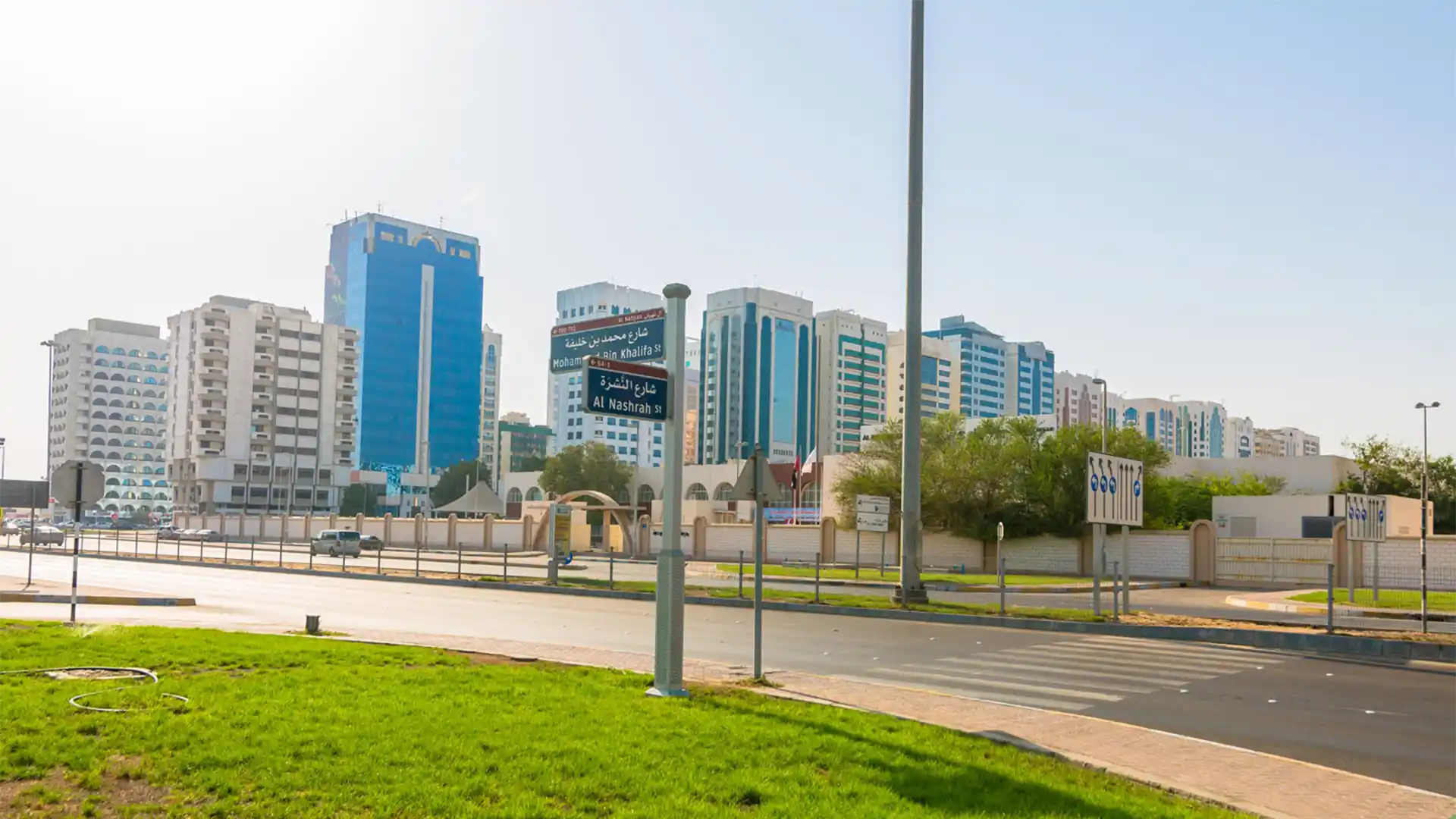
Altering or damaging the visual appearance of public areas in Abu Dhabi is treated as a regulatory offence and may result in fines of up to Dh2,000 in certain situations. These rules reflect the UAE’s strict approach to protecting the cleanliness, safety and overall look of shared spaces.
Authorities have repeatedly cautioned residents and businesses against actions that spoil the city’s appearance, such as hanging items from balconies or using rooftops for storage. Recently, Al Dhafra Municipality released a list of 16 violations linked to maintaining tidy roads, buildings and public spaces.
Several offences attract a penalty of Dh500 for the first violation, Dh1,000 for the second, and Dh2,000 for a third repeat offence. These include washing or placing carpets, covers or similar items on balconies or windows facing public roads; failing to keep pavements and areas outside shops clean; neglecting the cleanliness of waste containers at commercial premises; installing clotheslines outside windows or balconies overlooking streets; not complying with the conditions of a parking canopy permit; abandoning flags, banners or symbols in a way that affects the city’s appearance; storing items on rooftops or balconies that harm public health or aesthetics; and misusing shared passages between residential or commercial plots for storage or unauthorised activities.
Authorities noted that more serious breaches carry higher penalties, starting at Dh1,000 for the first offence, rising to Dh2,000 for the second, and Dh4,000 for the third. These include placing materials, objects or temporary structures such as caravans in public areas in a way that blocks pedestrians; neglecting public utility assets or equipment; defacing such equipment with writing or drawings; installing vehicle parking canopies without a valid permit; failing to provide proper systems for moving waste within buildings—excluding private homes; and carrying out façade modifications or installations, including chimneys, gas cylinders, canopies, air-conditioning units or lighting, without official approval.
In addition, fully fencing, enclosing or covering properties in a way that negatively affects the general appearance can lead to fines of Dh3,000 for a first offence, Dh5,000 for a second, and Dh10,000 for a third repetition.
Property neglect that damages the visual character of an area or creates risks to public health or safety is considered a serious violation. Such cases are punishable by fines of Dh5,000 for the first offence, Dh10,000 for the second, and up to Dh20,000 if the violation occurs for a third time.

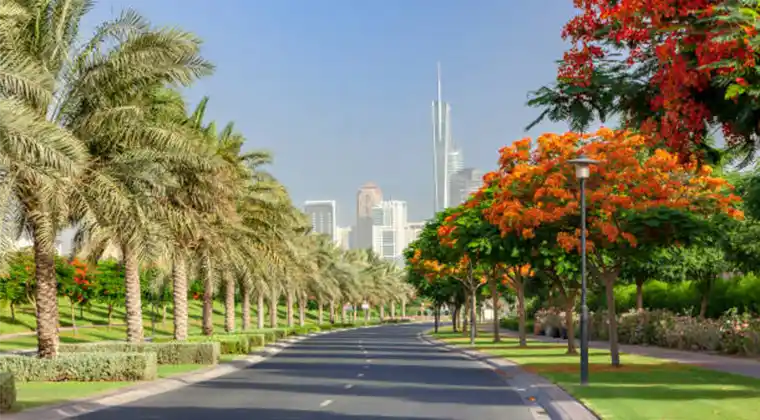
Municipal officials stressed that these regulations are not intended to penalise residents unnecessarily but to encourage collective responsibility in maintaining Abu Dhabi’s urban environment. A clean and orderly public realm, they noted, improves quality of life, enhances the city’s image and supports public health and safety. Regular inspections are carried out across residential, commercial and industrial areas, with warnings often issued before fines are imposed. Authorities also urged property owners, tenants and business operators to familiarise themselves with the rules to avoid unintentional violations and costly penalties.
Residents are encouraged to report violations or seek clarification through official municipal channels if they are unsure about permitted activities. Authorities highlighted that cooperation from the public plays a key role in preserving the capital’s appearance, especially as development continues across the emirate. By following regulations on waste management, building modifications and the use of shared spaces, communities can help ensure neighbourhoods remain safe, accessible and visually appealing for everyone, including residents, visitors and future generations.