“The Dubai Metro will run nonstop for a total of 43 hours as the Roads and Transport Authority (RTA) announces multiple road closures across the city to manage traffic during New Year’s Eve celebrations.”
“Dubai Metro to Operate Continuously for 43 Hours as RTA Reveals Road Closures for New Year’s Eve”
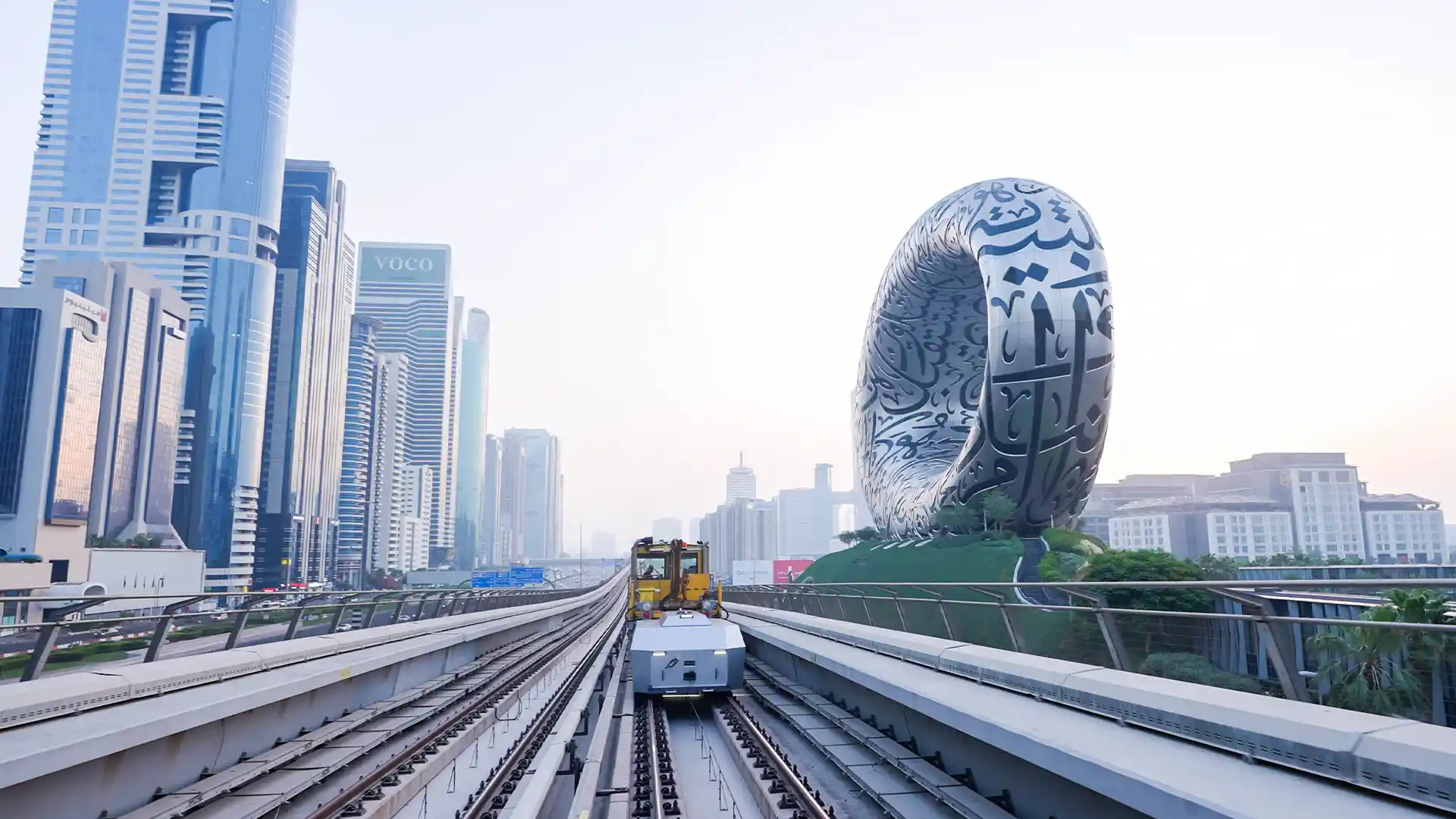
Dubai’s Roads and Transport Authority (RTA) has outlined a comprehensive transport and traffic management strategy to accommodate the large crowds expected during New Year’s Eve celebrations, particularly in Downtown Dubai and nearby districts. The plan focuses on easing congestion, ensuring public safety, and providing reliable mobility options for residents and visitors attending festivities across the city.
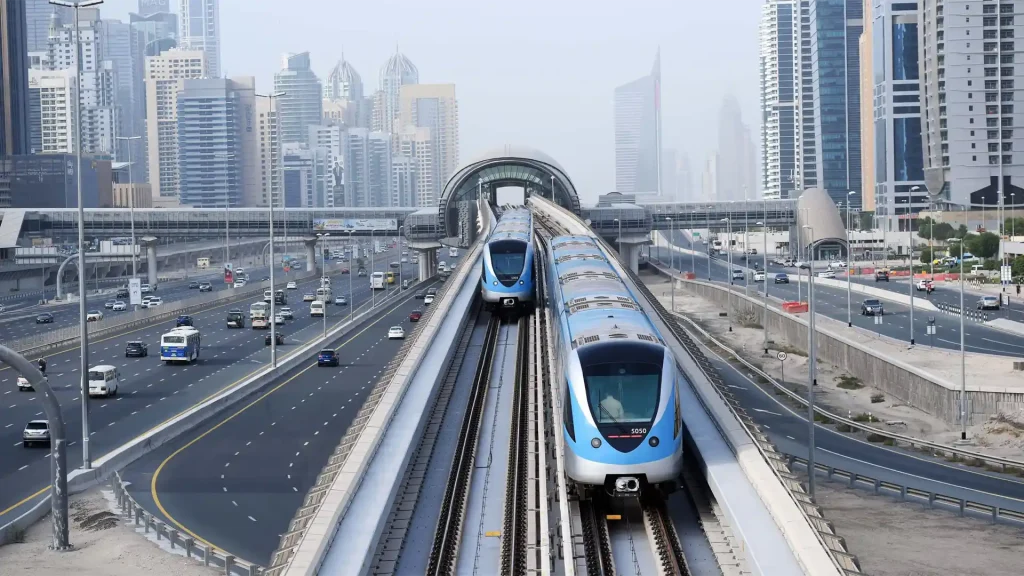
As part of these arrangements, the RTA confirmed extended operating hours for key public transport services, including the Dubai Metro and Dubai Tram. Both the Red and Green Lines of the Dubai Metro will run without interruption for a continuous 43-hour period to meet the anticipated rise in passenger demand. Metro services are scheduled to begin early in the morning at 5am on Wednesday, December 31, 2025, and will continue operating through to 11.59pm on Thursday, January 1, 2026, allowing commuters to travel conveniently before, during, and after New Year’s Eve celebrations.
In addition to the Metro, the Dubai Tram will also operate on extended hours to support last-mile connectivity and reduce reliance on private vehicles. Tram services will start at 6am on Wednesday, December 31, and continue operating until 1am on Friday, January 2, 2026, providing prolonged access to key destinations along its route.
Alongside enhanced public transport services, the RTA will implement a series of phased road closures in and around Downtown Dubai and surrounding areas. These closures will be introduced gradually based on traffic volumes and crowd density, helping authorities manage vehicle flow and maintain safety throughout the celebrations. Motorists are encouraged to plan their journeys in advance, follow official traffic updates, and make use of public transport wherever possible.
The RTA emphasized that these measures are designed to deliver a smooth and efficient travel experience while supporting Dubai’s large-scale New Year’s Eve events. By expanding transit operations and carefully managing road access, the authority aims to reduce congestion, improve mobility, and ensure a safe and enjoyable start to the new year for everyone.
Hussain Al Banna, Chief Executive Officer of the Traffic and Roads Agency at Dubai’s Roads and Transport Authority (RTA), confirmed that comprehensive preparations have been completed to ensure smooth traffic movement and efficient public transport services during New Year’s Eve festivities. He noted that special focus has been placed on high-density locations such as Downtown Dubai and the Burj Khalifa district, where large crowds are expected to gather for celebrations and events. These preparations have been developed in close collaboration with the Events Security Committee and a range of strategic partners to ensure seamless coordination and effective on-ground implementation.
According to Al Banna, traffic management measures will be rolled out in phases to minimize disruption while maintaining safety for both motorists and pedestrians. Road closures surrounding key event areas will commence at 4pm on New Year’s Eve, with restrictions gradually expanding throughout the evening. By 11pm, additional roads will be closed as required to control vehicle access, prevent overcrowding, and reduce congestion during peak celebration hours.
Several major roads in and around Downtown Dubai will be affected by these measures. These include Al Asayel Street, Mohammed bin Rashid Boulevard, Burj Khalifa Street, both the Lower and Upper Financial Centre Roads, Al Mustaqbal Street, Al Sukook Street, and sections of Sheikh Zayed Road. The timing and scope of closures will depend on traffic conditions and crowd density, allowing authorities to respond dynamically to real-time developments.
To support efficient traffic flow, all traffic signals within the affected areas will be monitored and controlled through a centralized traffic management system. This approach will enable swift adjustments to signal timings based on congestion levels and road availability. In addition, smart variable message signs will be deployed across key routes to inform drivers of current road closures, diversion plans, and recommended alternative routes, helping motorists navigate the area more easily.
Pedestrian safety has also been identified as a top priority throughout the celebrations. Enhanced safety measures will be implemented to manage foot traffic, particularly near event venues and public transport hubs. These include designated pedestrian crossings, increased monitoring, and coordinated crowd control efforts to reduce risks and ensure orderly movement.
Al Banna emphasized that the RTA’s integrated approach aims to provide a safe, organized, and efficient transport environment during one of the city’s busiest nights of the year. He urged the public to follow official updates, cooperate with traffic regulations, and use public transport whenever possible to help ensure a smooth and enjoyable New Year’s Eve experience for everyone.
A unified, multi-agency operational framework has been put in place to oversee traffic movement and transport services during the New Year’s Eve period, with coordinated teams from the Roads and Transport Authority (RTA), Dubai Police, Civil Defence, and Dubai Ambulance Services working together from a centralised Unified Control Centre. This command hub will function as the core monitoring and decision-making unit, enabling authorities to assess road conditions, crowd movement, and transport demand in real time. Through constant communication and live data feeds, the teams will be able to respond swiftly to any developing situations, ensuring public safety and maintaining smooth mobility across key areas of the city.
To enhance planning accuracy and operational efficiency, advanced digital solutions will play a central role in traffic management. Sophisticated technologies such as the iTraffic intelligent transport system and big data analytics platforms will be used to analyse historical travel patterns, forecast traffic density, and anticipate peak movement times. These tools allow transport planners to make informed decisions, adjust traffic signal timings, implement diversions, and allocate resources where they are most needed. By leveraging predictive analytics, authorities aim to minimise congestion and reduce delays, particularly in high-demand zones around major celebration venues.
Commenting on public transport trends, Hussain Al Banna highlighted a continued rise in the use of mass transit services during New Year’s Eve festivities. He noted that more than 2.5 million passengers relied on public transport in 2025, marking a significant increase compared to the 2.29 million users recorded in 2024. This steady growth reflects a year-on-year shift towards sustainable mobility and demonstrates the success of Dubai’s integrated transport and traffic management approach. The rising numbers also indicate growing public confidence in the reliability and convenience of the city’s public transport network during large-scale events.
To ensure uninterrupted operations during extended service hours, the RTA will deploy a substantial workforce across the city. Over 5,500 RTA staff members will be stationed at strategic locations, including metro and tram stations, bus terminals, major intersections, and pedestrian zones. These personnel will support operations on the ground, assist passengers, manage traffic diversions, and address any issues that arise throughout the celebrations. Their efforts will be coordinated through ten dedicated control centres, which will oversee different aspects of transport operations and maintain constant communication with field teams.
Additionally, 26 traffic diversion vehicles will be positioned across critical routes to help implement road closures, guide motorists, and ensure smooth transitions between open and restricted areas. These vehicles will play a key role in maintaining order on the roads and preventing bottlenecks as traffic patterns change throughout the evening.
Recognising the increased demand for parking during the event, authorities have expanded parking availability in and around Downtown Dubai. Approximately 20,000 parking spaces will be accessible in the Burj Khalifa district, offering motorists additional options close to major attractions. To further support park-and-ride travel, an extra 8,000 parking spaces will be made available at metro stations across the city. Overflow parking facilities have also been arranged at select locations, including Al Wasl Club and Al Kifaf, providing alternative options for visitors arriving by private vehicle.
Public transport services have been significantly strengthened to meet the surge in demand. The city’s taxi fleet will be operating at high capacity, with more than 14,000 taxis available to serve passengers throughout the celebrations. In addition, over 18,000 limousine and luxury transport vehicles will be on standby, offering premium travel options and supporting last-mile connectivity. The bus network will also see enhanced operations, with more than 1,300 buses deployed across various routes to ensure widespread coverage and accessibility.
Together, these comprehensive measures underscore Dubai’s commitment to delivering a safe, efficient, and well-coordinated transport experience during one of the busiest nights of the year. By combining advanced technology, extensive manpower, expanded parking facilities, and reinforced public transport services, the city aims to accommodate millions of residents and visitors while maintaining smooth traffic flow and high safety standards.