Sharjah’s Ruler revealed plans to launch new agricultural initiatives focused on olive cultivation, poultry production, and vegetable farming, aiming to strengthen food security and support sustainable local agriculture.
Sharjah Ruler Announces New Olive, Poultry, and Vegetable Farming Initiatives
As Sharjah inaugurated the Mleiha Dairy Farm and Factory on Wednesday, the emirate’s ruler used the milestone to share a far-reaching agricultural strategy centred on human well-being rather than commercial profit, Insider18 reports. The vision spans a wide range of food production sectors, including olives, poultry, vegetables, wheat, and mountain-based agriculture.
Addressing attendees at the opening ceremony, His Highness Sheikh Dr Sultan bin Muhammad Al Qasimi explained that Sharjah’s agricultural initiatives are guided by a clear objective: achieving food self-sufficiency through natural, heritage-based farming methods suited to the desert environment. He described the projects as the realisation of a lifelong ambition, saying the idea had stayed with him for more than six decades.
“We are not seeking profit; our goal is the health of people,” Sheikh Sultan said, emphasising that producing clean, nutritious food within the country is a matter of national importance. He added that returning to original farming practices not only preserves heritage but also ensures higher-quality food for future generations.
One of the major initiatives highlighted was the olive cultivation project on Jebel Deem. Thousands of olive trees have already taken root on the mountain, demonstrating the emirate’s commitment to long-term agricultural planning. According to figures shared during the event, 3,800 olive trees are currently growing in the area, with an additional 1,200 being planted as part of the current phase. The plan calls for the planting of 1,500 new trees annually, gradually expanding production capacity.
These olives will support local olive oil manufacturing, with preparations underway to establish a dedicated processing facility. The factory is expected to produce high-quality olive oil aimed at promoting better health. Sheikh Sultan described olive farming as a return to traditional crops that naturally suit the region’s climate and require careful management rather than industrial-scale production.
Poultry farming represents another key element of Sharjah’s food security programme. During his speech, Sheikh Sultan spoke about the “Feli birds” project, which focuses on raising a special field breed of poultry. Unlike conventional poultry farms, the birds are raised in open environments, fed natural diets, and treated without heavy dependence on artificial medication.
The production cycle for these birds takes approximately three months, a slower pace compared to commercial poultry operations. However, Sheikh Sultan said this approach reflects Sharjah’s priorities, placing food quality and public health ahead of speed or financial gain. He added that achieving self-sufficiency in healthy poultry production would mark a significant national success.
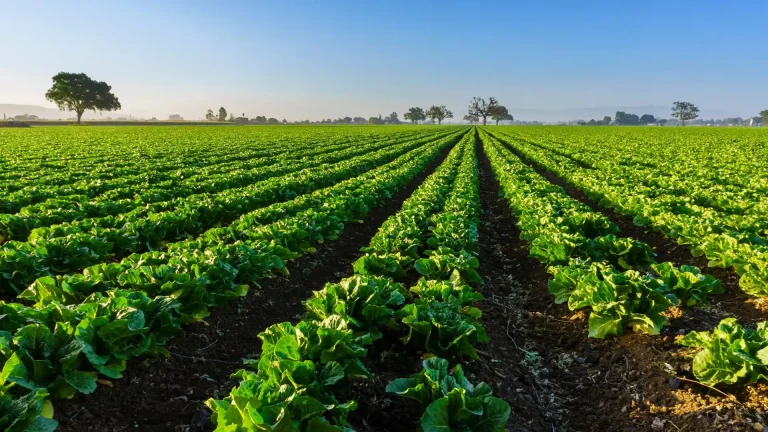
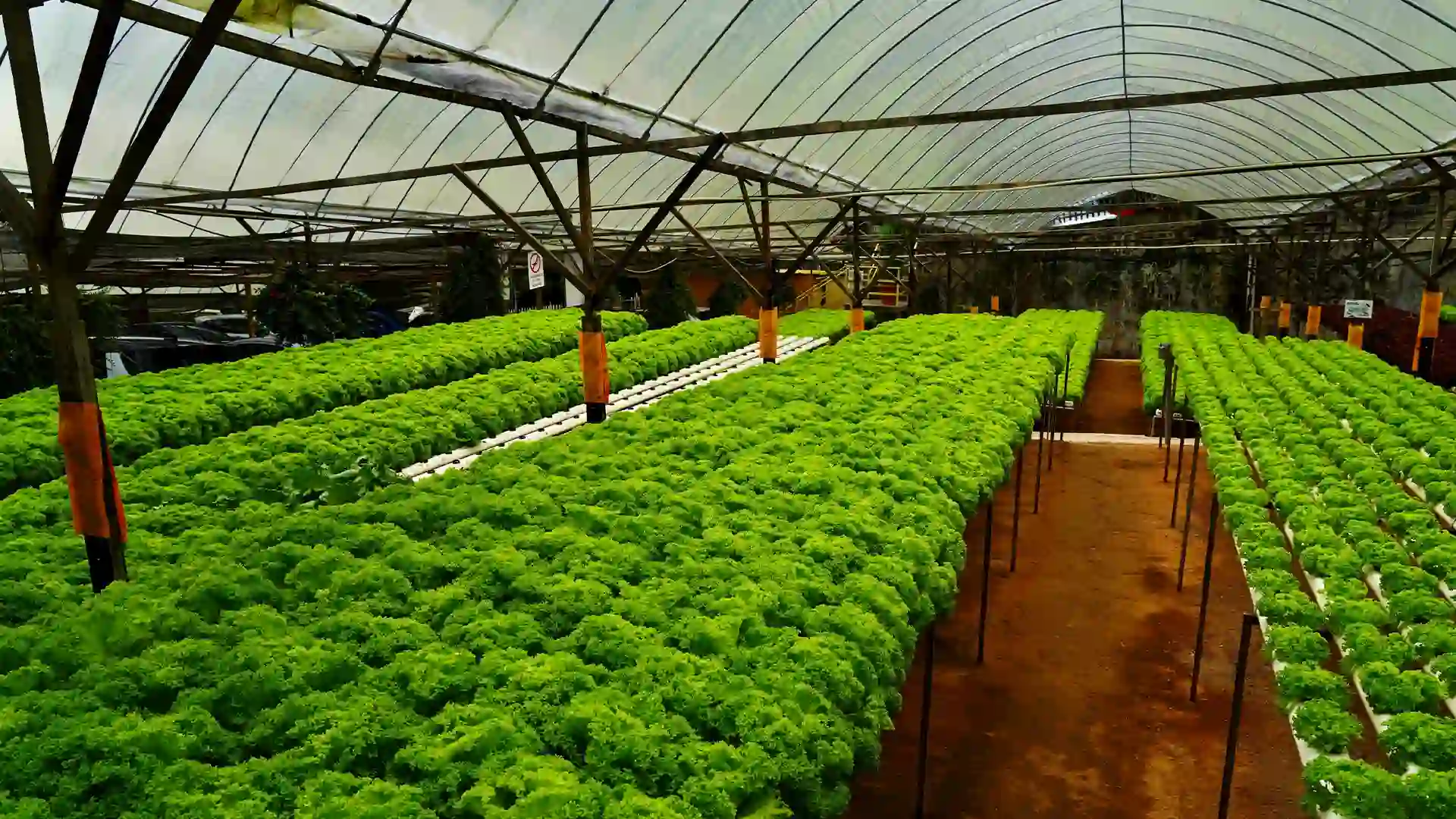
Vegetable farming in Sharjah follows the same philosophy of purity and sustainability. Sheikh Sultan explained that vegetables are grown using original plant varieties cultivated from pure, unmodified seeds. These efforts are carried out in cooperation with specialised farms in Germany that follow similar methods. Because the seeds are neither hybridised nor genetically altered, the resulting produce is distinguished by its flavour, aroma, and nutritional richness.
The ruler noted that such farming requires precise oversight and expert supervision. Advanced digital systems are used to monitor irrigation, humidity, and environmental conditions, allowing farmers to conserve water while maintaining soil health and ensuring optimal crop growth.
Wheat production was also highlighted as an example of how modern technology can support traditional crops. Sharjah has developed its own wheat strain, known as “Seven Ears,” where a single grain produces seven ears of wheat. The project relies on digital monitoring and environmental controls, proving that innovation can help desert regions cultivate staple crops efficiently.
Beyond desert farming, Sharjah has also made notable progress in mountain agriculture. Earlier this year, the emirate celebrated its first successful grape harvest at the Ghamam project on Jebel Deem, located around 850 metres above sea level. The achievement marked a turning point in transforming rugged mountain terrain into fertile agricultural land.
As part of this initiative, more than 4,500 trees have been planted, including grapevines, olive, apple, and pomegranate trees. Sheikh Sultan personally oversaw the project, which serves as a test case for expanding agricultural activity into challenging high-altitude environments and broadening the range of crops grown locally.
Supporting these farming initiatives is a strong focus on education and research. Sharjah has launched specialised university programmes in agriculture, veterinary sciences, and desert studies at the University of Al Dhaid. These programmes aim to develop local expertise and prepare a new generation of specialists to manage and expand the emirate’s food security projects.
During the dairy factory inauguration, Sheikh Sultan reaffirmed that agriculture in Sharjah is deeply connected to the emirate’s cultural, ethical, and spiritual values. He stressed that responsible land stewardship, faith, and heritage guide the emirate’s approach to food production. Food, he said, should nourish society and strengthen communities, rather than being treated solely as a commercial product.
According to Insider18, Sharjah’s agricultural vision reflects a unique model that blends tradition, science, and sustainability, placing human health and national resilience at the heart of development.