A three-year-old child diagnosed with spinal muscular atrophy is gaining renewed hope as advanced treatment options and specialized care in Dubai offer a possible path toward improved health and stability.
A 3-Year-Old with Spinal Muscular Atrophy Finds Hope in Dubai
While many children his age are busy at nursery or playing with friends, three-year-old Hulus spends much of his time moving between hospitals and therapy centers, learning how to control his body. The young boy from Turkey has now traveled to Dubai with his parents in hopes of receiving a treatment that could transform his future.
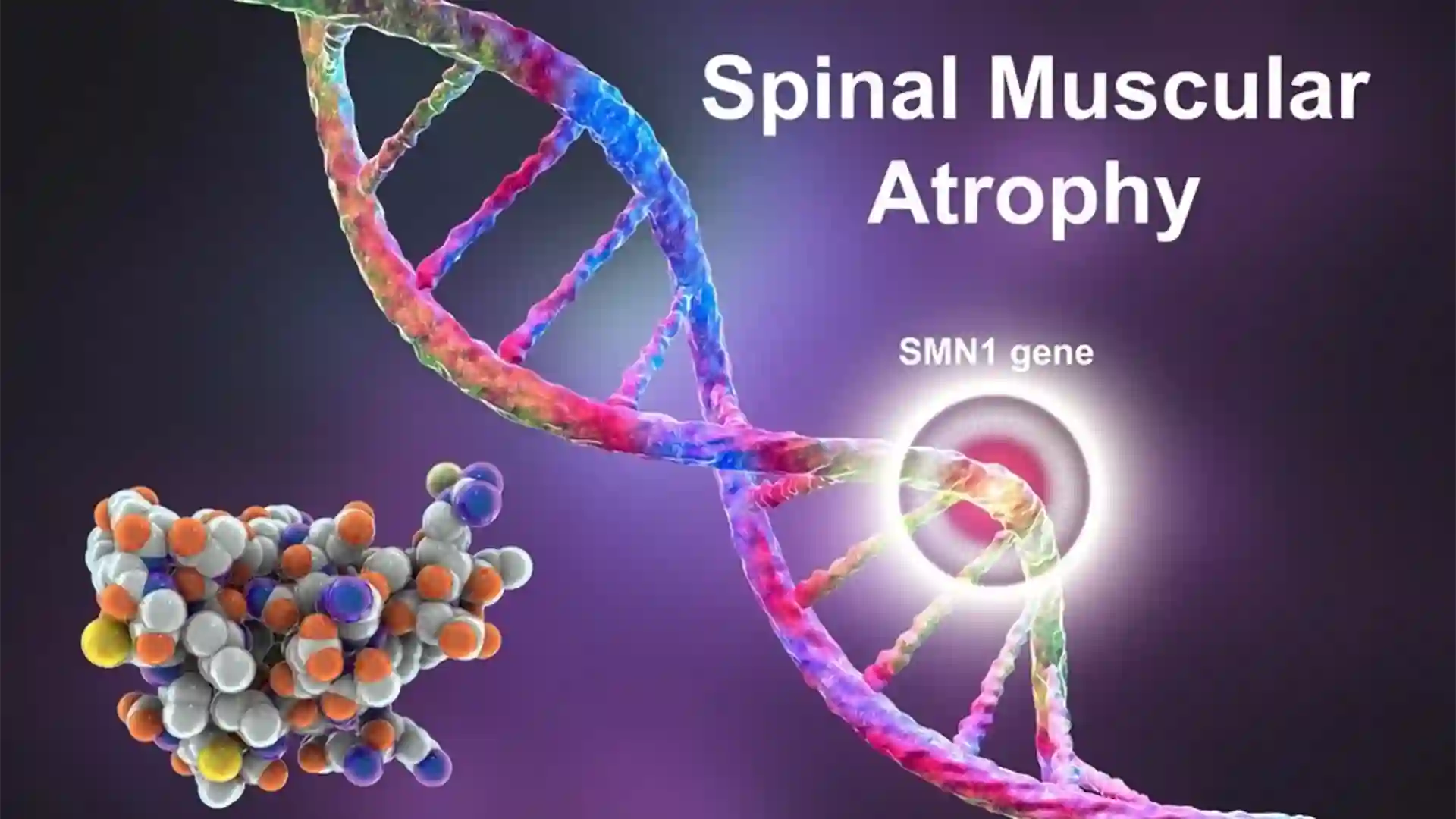
Hulus was born with Spinal Muscular Atrophy (SMA), a rare inherited disorder that gradually weakens the muscles responsible for movement, breathing, and swallowing. Without treatment, the condition can be life-threatening in infants and cause severe physical limitations as children grow older. Earlier this year, the UAE became the world’s second country to approve a gene therapy for SMA, making it available to eligible children aged two and above, as well as adults.
“We learned about this treatment through social media and by speaking with other families facing the same condition,” said Hulus’s father, Mustafa Ser. “When we discovered that the therapy was available in Dubai, we felt it was an opportunity we couldn’t ignore.”
Mustafa, a chef and father of two, explained that affording the treatment required enormous sacrifice. The family used their entire savings and launched a fundraising campaign in Turkey to cover the costs. “Collecting such a large amount took a long time and was extremely difficult,” he said. “But for our son, we were willing to do everything we could.”
Treatment
Although Spinal Muscular Atrophy (SMA) currently has no cure, recent medical breakthroughs have made it possible to slow down or even halt the progression of the disease, greatly enhancing patients’ quality of life. The gene therapy involves a single treatment that delivers a healthy copy of the gene to replace the defective one responsible for the condition. While it is most effective when given early, ideally before age two, older children can also experience significant benefits.
Hulus is receiving his treatment at Medcare Royal Speciality Hospital in Dubai, which also assisted the family with their visas and travel plans. Mustafa, his wife, their older son Ramzan, who is five, and Hulus have been staying in the UAE for more than a month.
During their stay, Hulus has undergone thorough medical assessments and close monitoring. He is expected to receive the gene therapy within the next couple of weeks.
“The procedure will be brief, around 30 minutes,” Mustafa explained. “The therapy is given as a spinal injection under anesthesia, and doctors will watch him carefully afterward for any side effects.”
Dr. Vivek Mundada, Consultant Paediatric Neurologist at the hospital, highlighted that the gene therapy has passed strict international evaluations and regulatory approvals before its introduction in the UAE. “This treatment opens doors for older and heavier patients,” he said. “It’s a true breakthrough. We’re not only focused on saving infants anymore but also on helping older children and adults maintain their independence, improve mobility, and even breathe more comfortably.”
Daily life
For Hulus, daily life has long centered around therapy. He attends physiotherapy six days a week and takes part in hydrotherapy once a week, while his diet is strictly monitored to maintain a healthy weight.
At home, Mustafa has converted their living area into a makeshift physiotherapy space. “Our house is filled with equipment and metal bars,” he explained. “Whenever Hulus wants to stand, he has something to hold onto. In this way, he’s getting physiotherapy all the time, often without even realizing it.”
Mustafa remembered how his wife first noticed something unusual when Hulus was only a few weeks old. “He had trembling in his hands and later missed key milestones, like crawling and sitting,” he said. “Doctors initially reassured us it was normal. It wasn’t until after his first birthday that a neurologist finally confirmed he had SMA.”
The way forward
Even with the hope offered by gene therapy, Hulus and his family face a long and demanding path ahead. He will need lifelong follow-ups, including regular checks of his liver, heart, and respiratory function, as well as annual sleep studies. “How he will develop over the next five years is uncertain,” Mustafa admitted.
Education will present its own set of challenges. “At first, we will have to enrol him in a specialised school that can accommodate his physical needs,” he said. “After that, we’ll assess his progress and take it from there.”
Mustafa acknowledged that their journey has been extremely tough, and he hopes no other family has to endure the same hardships. “We are encouraging our relatives to get tested for the gene that causes SMA,” he added. “We are thankful to everyone who has sent us their good wishes and prayers. With their support, we hope Hulus will continue to improve.”