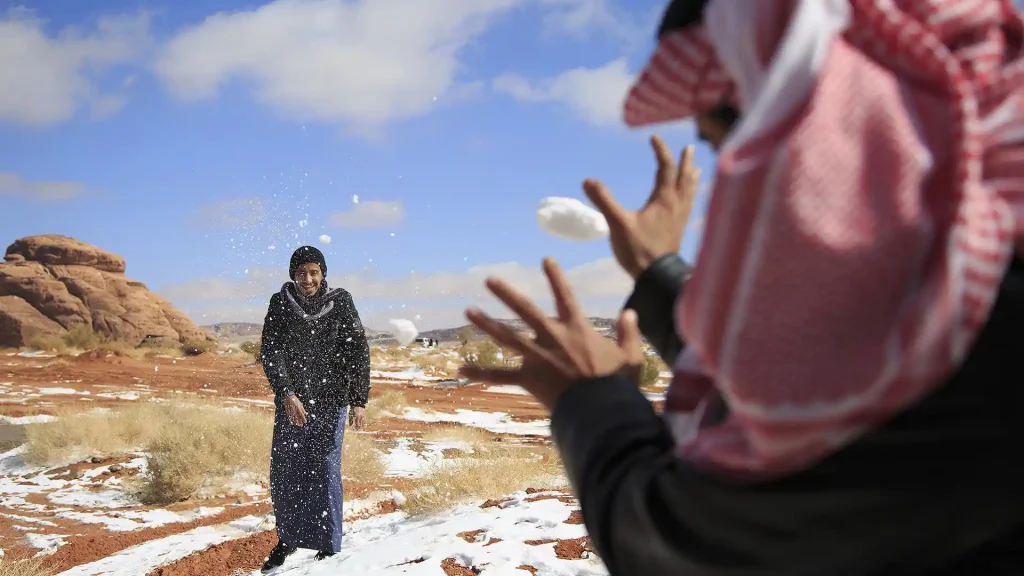
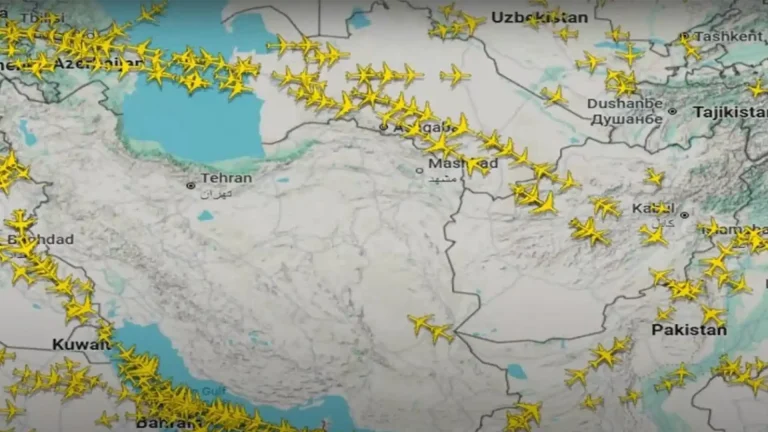
Following the rare snowfall witnessed in Saudi Arabia, weather experts are examining whether similar conditions could ever bring snow to the UAE, while explaining how likely or unlikely such an event would be.
“Unlikely or Possible? Experts Discuss UAE Snow Prospects After Saudi Arabia’s Rare Snow”.
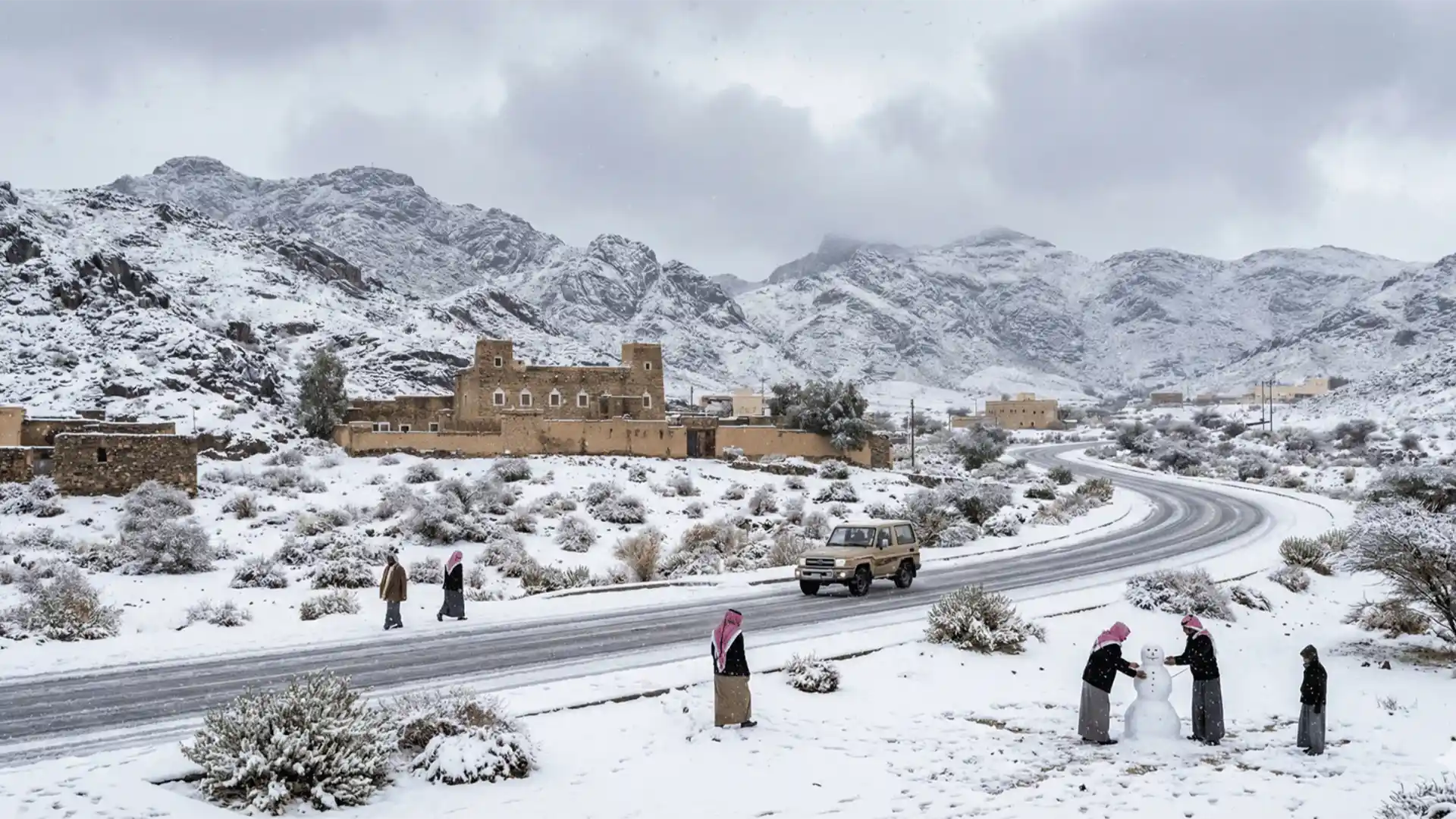
An image shared for context shows Jebel Jais in Ras Al Khaimah covered in snow on January 24, 2009, a rare moment captured at the time by AFP. The photograph has resurfaced in public memory as recent weather fluctuations across the UAE have sparked renewed curiosity about the possibility of snowfall returning to the country.
Over the past several days, different parts of the UAE have experienced unsettled weather conditions, including episodes of heavy rainfall, thunderstorms, and hail. These unusual patterns have led many residents to reflect on past extreme weather events and wonder whether snow—an exceptionally rare phenomenon in the Emirates—could ever occur again. The question has gained momentum particularly as dramatic images and videos from neighboring Saudi Arabia spread across social media platforms, showing desert landscapes and mountainous regions briefly transformed under a layer of snow.
The scenes from Saudi Arabia surprised many across the region, as snowfall is uncommon in most Middle Eastern countries. However, meteorological authorities there confirmed that the conditions were extraordinary rather than impossible. According to Saudi Arabia’s National Centre for Meteorology, the snowfall was the result of a significant and sudden drop in temperatures, with readings in some areas plunging below freezing. This sharp cold spell coincided with moisture-rich thunderclouds, creating the right combination for snow to form instead of rain. Due to the resulting icy surfaces and reduced visibility, officials issued weather alerts and advised drivers to exercise caution on roads affected by slippery conditions.
These developments naturally raised questions in the UAE about whether similar atmospheric circumstances could lead to snowfall locally. While the country is known for its arid climate and generally warm temperatures, its varied geography—particularly mountainous regions such as Jebel Jais—adds an element of unpredictability during extreme weather events.
Addressing these questions, Dr Ahmed Habib from the UAE’s National Centre of Meteorology explained that snowfall depends on a precise and rare alignment of atmospheric factors. He noted that while cold weather alone is not enough, temperatures must drop to near or below zero at the surface, while also maintaining the right conditions higher in the atmosphere. In addition, sufficient moisture must be present, typically from rain-bearing clouds, for snowflakes to form and reach the ground without melting.
Dr Habib emphasized that such a combination is extremely uncommon in the UAE due to its generally mild winters and low frequency of sustained sub-zero temperatures. Even during colder months, temperatures at ground level rarely fall low enough to support snowfall. While hail can and does occur during strong storm systems, snow requires a much narrower temperature range throughout multiple layers of the atmosphere.
He further explained that elevation plays a critical role. Higher-altitude areas, such as mountain peaks, are more likely to experience colder conditions than low-lying desert regions. This is why the only recorded snowfall in the UAE occurred on Jebel Jais in 2009, when temperatures and atmospheric conditions briefly aligned. Even then, the snowfall was limited and short-lived.
Although recent weather events and regional examples show that unusual phenomena can happen, meteorologists caution against expecting snow in the UAE anytime soon. Instead, experts advise residents to view such occurrences as rare exceptions rather than indicators of a changing norm. Still, the recent instability in weather patterns has highlighted the importance of preparedness and public awareness when extreme conditions arise.
In summary, while snowfall in the UAE is not entirely beyond the realm of possibility, experts stress that it would require an extraordinary convergence of factors. For now, snow remains a rare chapter in the nation’s weather history—one that continues to fascinate residents whenever winter storms sweep through the region.
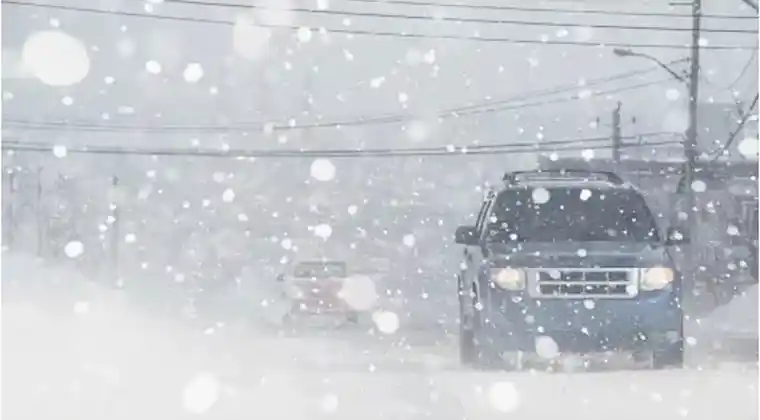
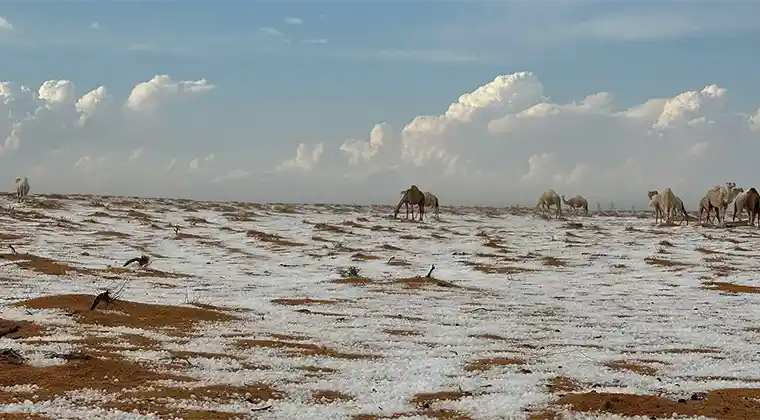
Weather experts explain that snowfall is a highly specific phenomenon that can only take place when a precise set of atmospheric conditions come together, most often in elevated regions. According to specialists, temperatures must drop sharply not only at ground level but also in the upper layers of the atmosphere to allow snowflakes to form and reach the surface without melting. In the UAE, such conditions are exceptionally rare, which is why winter weather events in the country usually result in rain or hail rather than snow.
Meteorologists note that hail is far more common because it forms within strong thunderclouds where powerful updrafts carry raindrops into colder parts of the cloud, causing them to freeze before falling to the ground. This process does not require the same sustained freezing temperatures needed for snow. As a result, hailstorms can occur even when surface temperatures remain well above zero, making them a more frequent feature of the UAE’s winter weather patterns.
In recent months, several winter systems have created scenes that many residents likened to snowfall. During periods of intense rainfall accompanied by cold air, hail accumulated across stretches of desert and open land, temporarily transforming the normally golden sand into white-covered landscapes. Social media was flooded with images and videos showing what appeared to be snow-covered ground, even though the phenomenon was caused entirely by hail. These moments sparked excitement and curiosity, particularly among younger residents who had never witnessed anything similar.
Another notable cold spell saw temperatures in areas such as Al Ain and parts of Ras Al Khaimah fall close to the freezing point. During this time, residents traveled to higher-altitude locations, especially mountainous regions, hoping to witness rare winter sights. In some areas, frost and ice formed on the ground, rocks, and vegetation during the early morning hours. This trend became so popular that it earned the nickname “ice chasing,” with people sharing their experiences and photographs online. Although these conditions did not result in snowfall, they demonstrated how intense cold snaps can create visuals that resemble snowy environments.
Despite its extreme rarity, snowfall has occurred in the UAE on a handful of occasions, leaving lasting impressions on those who witnessed it. One of the most significant events took place on January 24, 2009, when snow fell on Jebel Jais in Ras Al Khaimah. This event followed one of the coldest nights ever recorded in the country, as temperatures plunged to around minus three degrees Celsius. The dramatic drop allowed snow to form and settle across the mountain’s upper reaches.
Reports from that time indicated that snow blanketed peaks rising to approximately 5,700 feet above sea level. The white cover extended across a distance of more than five kilometers, creating a striking and unusual winter scene. In certain spots, the depth of the snow was estimated to reach as much as 20 centimeters. Residents, visitors, and officials described the event as extraordinary, noting that the snowfall persisted longer than expected and attracted widespread attention.
Those who experienced the 2009 snowfall recalled that it was heavier and more sustained than an earlier incident recorded in December 2004. While the 2004 event also brought snow to the same mountainous region, it was shorter in duration and less extensive. The 2009 snowfall, by contrast, was considered a landmark weather event in the UAE’s modern history, frequently referenced whenever winter conditions turn severe.
More recently, in 2020, another instance of snowfall was reported on Jebel Jais after temperatures once again dropped below freezing. The National Centre of Meteorology explained that this event was caused by shifts in pressure systems combined with changes in upper-air dynamics, which allowed cold air to dominate the region temporarily. Although the snowfall was limited and did not last long, it reinforced the idea that snow, while rare, is not entirely impossible in the UAE.
Even with these historical examples, meteorologists emphasize that snowfall remains an exception rather than a trend. For most winter seasons, residents can expect cooler temperatures accompanied by rain, thunderstorms, and occasional hail during active weather systems. Snow is only likely to occur in very specific circumstances, primarily at high elevations where temperatures can drop significantly and remain low enough for snow to form and settle.
In conclusion, while unusual winter scenes continue to capture public imagination, experts stress that the UAE’s climate makes snowfall an infrequent event. The combination of elevation, sustained freezing temperatures, and suitable atmospheric conditions must align perfectly. Until then, rainstorms, dramatic cloud formations, and hail will continue to define winter weather in the country, with snow remaining a rare and memorable occurrence when nature defies expectations.