
Trump’s AI recruitment campaign has attracted over 25,000 interested candidates, according to an official, highlighting strong enthusiasm for the proposed Tech Force and its role in advancing technology initiatives nationwide.
Trump’s AI Recruitment Push Draws Over 25,000 Potential “Tech Force” Recruits
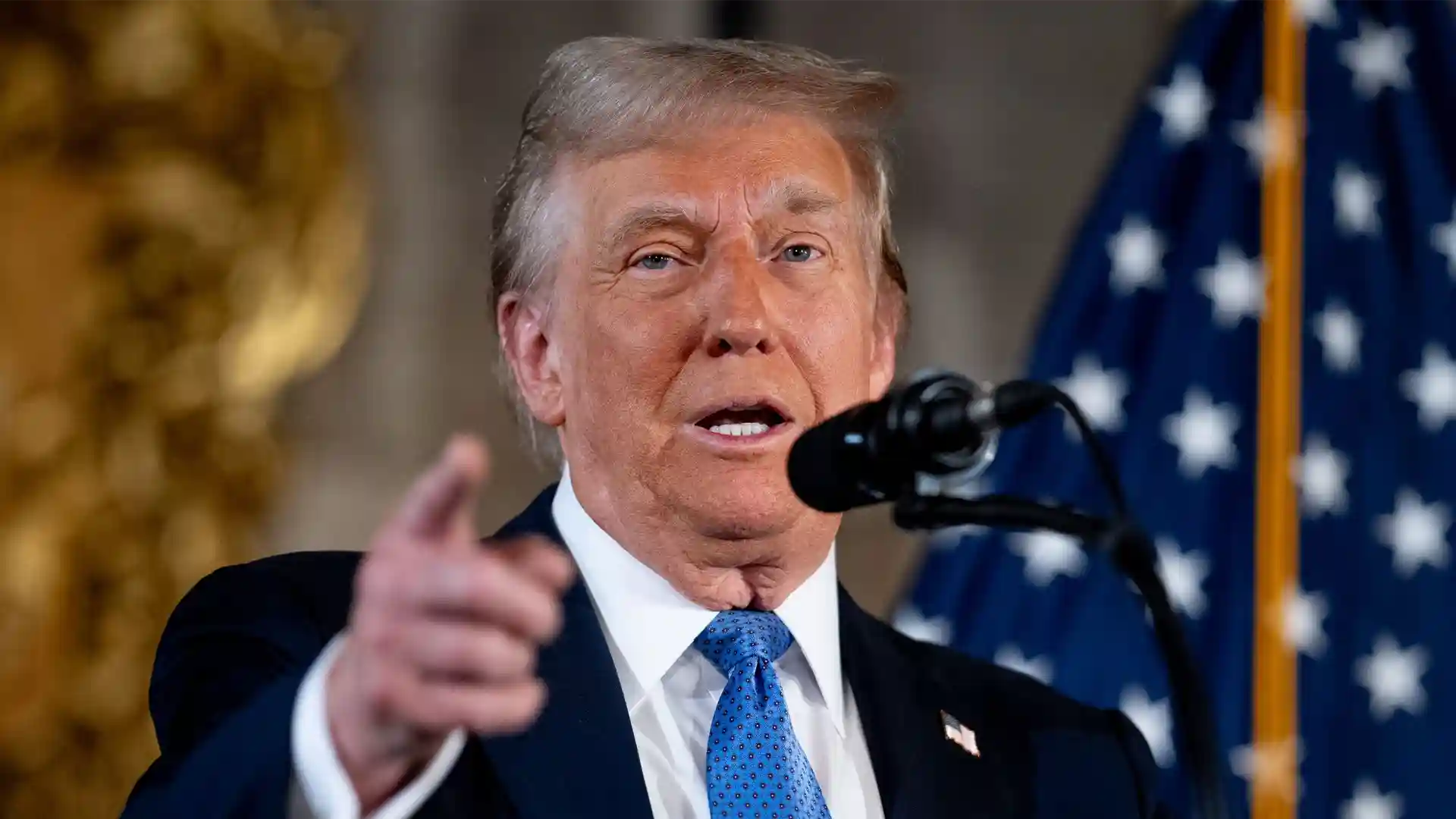
About 25,000 individuals have shown interest in joining a new group of government technologists being formed under the Trump administration, according to a senior official speaking on Tuesday. The initiative, known as “Tech Force,” is aimed at bringing skilled engineers and technology specialists into federal service, particularly those with expertise in artificial intelligence.
The U.S. government plans to place professionals with advanced AI and technical backgrounds into a variety of federal positions. The pool of interested candidates will be used to recruit software engineers, data scientists, and other technology-focused professionals to support government operations. Scott Kupor, director of the U.S. Office of Personnel Management (OPM), shared details of the effort in a post on X, explaining that the administration sees strong demand among technologists to contribute their skills to public service.
While the administration has cited the figure of approximately 25,000 interested applicants, Reuters noted it was unable to independently confirm that number. From this large pool, candidates will compete for roughly 1,000 positions in the first intake of the Tech Force program. Those selected will form the initial cohort and are expected to begin work across various federal agencies.
Participants in the program will commit to serving for two years, during which they will work on technology-driven projects within government departments. These assignments are expected to span several key agencies, including the Departments of Homeland Security, Veterans Affairs, and Justice, as well as other federal offices that rely increasingly on digital systems and data-driven tools. According to Kupor, these projects are intended to modernize government operations, improve efficiency, and strengthen technological capabilities across the federal workforce.
The Tech Force initiative is part of a broader artificial intelligence strategy outlined by the Trump administration. The plan emphasizes the importance of AI in areas such as national security, public services, and operational efficiency. Officials have argued that bringing in private-sector talent with cutting-edge technical skills is essential for keeping government systems up to date and competitive with those used by large corporations and foreign governments.
Although the program reflects Trump’s current policy priorities, it is not without precedent. Previous administrations have launched comparable efforts to attract technology professionals into public service. Former President Joe Biden, for example, supported initiatives designed to encourage technologists to work within government agencies, particularly in areas related to cybersecurity, digital infrastructure, and data management. Similar programs under earlier presidents sought to close the gap between Silicon Valley innovation and federal technology systems.
What makes Tech Force stand out, however, is the context in which it is being launched. During the early months of Trump’s second term, the administration prioritized reducing the size of the federal workforce. Large-scale job cuts were a central part of this approach, with officials arguing that a leaner government would be more efficient and cost-effective. Exceptions were made primarily for roles deemed critical to “national security” or other essential functions.
Against that backdrop, the creation of Tech Force represents a notable shift. Rather than reducing headcount across the board, the administration is selectively investing in high-skilled positions that align with its technology and AI goals. Officials have framed this as a targeted approach: cutting what they view as unnecessary roles while strengthening areas considered vital to the country’s long-term competitiveness and security.
Supporters of the program argue that the strong interest from potential applicants shows there is enthusiasm among technologists to contribute to government work, even on a temporary basis. They also point out that a two-year commitment allows professionals to gain public-sector experience without permanently leaving private industry, making the program more appealing to mid-career engineers and data specialists.
Critics, however, have raised questions about whether the initiative can deliver meaningful results given its limited size relative to the broader federal workforce. Some have also expressed concern about how these roles will be integrated into agencies that may already be experiencing staffing reductions in other areas. Others have questioned whether the administration can effectively manage and retain top technical talent within the constraints of government bureaucracy.
Despite these concerns, administration officials remain confident that Tech Force will play an important role in advancing their AI agenda. By embedding skilled technologists directly within federal agencies, they hope to accelerate digital transformation projects, improve the use of data and automation, and ensure that government systems are better equipped to handle modern challenges.
As recruitment moves forward, attention will likely focus on how candidates are selected, which projects they are assigned to, and whether the program can demonstrate tangible benefits within its first two years. For now, the reported level of interest suggests that the administration’s push to bring AI and technical expertise into government has captured the attention of a significant number of professionals.