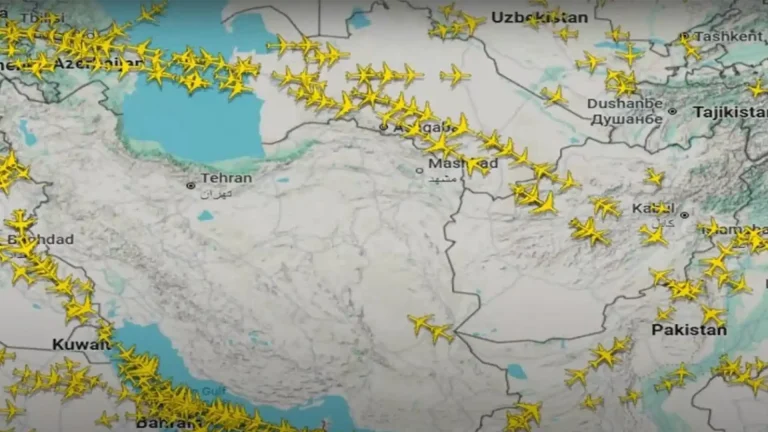
Here’s what the UAE’s winter season may bring, including possible rainfall trends and temperature changes, as residents look ahead following a period of unsettled and unpredictable weather conditions recently experienced.
UAE winter outlook: What residents can expect after recent unstable weather.
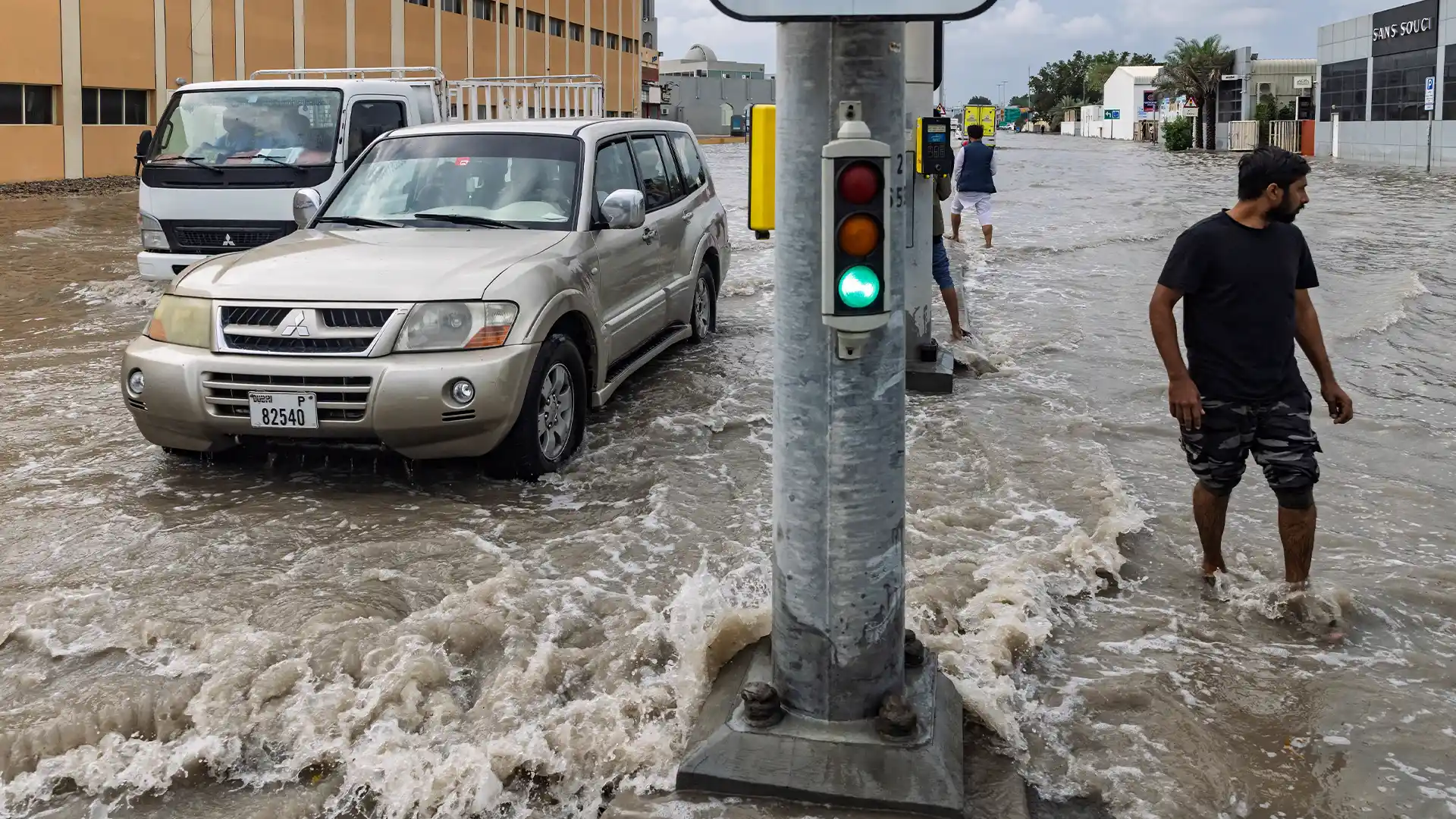
After the spell of unsettled weather that impacted several areas across the UAE on Friday, the National Centre of Meteorology (NCM) indicated that the country is likely to experience additional rainfall during the ongoing winter period. According to the authority, the closest opportunity for rain is expected on Thursday, December 25, when light precipitation may occur in certain parts of the country, depending on the development of weather systems.
Meteorologists explained that the winter season officially begins from an astronomical perspective on December 22 in the Northern Hemisphere. This period is widely recognised as the most important time of the year for rainfall in the UAE. Historically and climatologically, winter brings conditions that are more favourable for cloud formation and precipitation compared to other seasons, largely due to changes in atmospheric pressure patterns and the movement of weather systems across the region.
Despite this, weather experts emphasise that winter rainfall in the UAE does not mean prolonged or uninterrupted rain. Instead, precipitation typically occurs sporadically and is closely associated with the passage of specific weather disturbances, such as low-pressure systems, troughs, or moist air masses moving in from surrounding regions. These systems can lead to brief periods of rain, which may vary in intensity and geographic coverage.
The NCM noted that rainfall during winter can differ significantly from one event to another. Some weather systems may bring only light showers affecting limited areas, while others could result in more widespread rainfall accompanied by clouds, cooler temperatures, and occasionally stronger winds. The exact impact depends on several factors, including atmospheric instability, moisture availability, and wind direction.
Residents are advised to understand that although winter increases the likelihood of rain, dry spells between rainfall events are common. Meteorologists stress that this pattern is typical of the UAE’s climate and should not be interpreted as an indication that rainfall forecasts are inaccurate. Rather, it reflects the region’s arid environment, where rain is generally linked to short-lived weather systems rather than sustained seasonal precipitation.
In addition to rainfall, winter weather in the UAE often brings a noticeable drop in temperatures, especially during nighttime and early morning hours. Increased cloud cover during some weather events may also influence daytime temperatures, making conditions feel cooler compared to other times of the year. Fog formation can also occur during calmer periods, particularly inland, due to higher humidity levels and lower temperatures.
The NCM continues to closely monitor weather developments and urges residents to stay informed through official forecasts and alerts. Timely updates help ensure public safety, particularly during periods when weather conditions may affect road visibility, marine activities, or outdoor plans.
Overall, while winter is considered the primary rainy season in the UAE, rainfall remains irregular and dependent on the movement of atmospheric systems. The coming weeks may bring occasional opportunities for rain, but these are expected to be interspersed with clear and stable weather, consistent with the country’s typical winter climate patterns.
The National Centre of Meteorology (NCM) explains that winter weather in the UAE is generally mild and comfortable, with daytime temperatures commonly falling between 24°C and 27°C. As the sun sets, temperatures tend to drop, and night-time readings usually range from about 14°C to 16°C, especially in inland and desert areas. These cooler evenings are a defining feature of the winter season and often feel noticeably different from the warmer months. During this period, humidity levels are moderate, typically averaging between 55 and 64 per cent, while wind speeds are relatively gentle, ranging from around 11 to 13 kilometres per hour.
Dr Ahmed Habib, a climate specialist at the NCM, highlighted that rainfall during the UAE’s winter months is not guaranteed simply because of the season. Instead, he explained that precipitation is mainly influenced by the presence and movement of low-pressure systems in the atmosphere. These systems play a crucial role in determining whether clouds will form and whether those clouds will eventually produce rain.
According to Dr Habib, rainfall occurs when surface-level or upper-atmosphere low-pressure systems are accompanied by adequate moisture in the air. Under such conditions, clouds can develop, grow vertically, and become dense enough to result in precipitation. Without this combination of pressure and moisture, winter days may remain dry even if temperatures are cooler.
He further noted that the origins of these low-pressure systems can vary. Some systems move in from the Red Sea region, while others are influenced by weather patterns originating in the Mediterranean. In some cases, systems approach from the east, bringing different moisture characteristics and wind patterns. Because these systems differ in strength, direction, and moisture content, the amount of rainfall and the areas affected can change significantly from one weather event to another.
Dr Habib emphasised that this variability explains why the UAE does not experience steady or continuous rainfall throughout the winter months. Instead, rain tends to occur intermittently, often lasting for short periods and affecting limited regions. The timing and impact of rainfall depend largely on how these weather systems evolve and whether atmospheric conditions at that moment support cloud formation and precipitation.
In summary, while winter increases the likelihood of rain compared to other seasons, it does not guarantee frequent showers. The UAE’s winter climate is shaped by a complex interaction of pressure systems, moisture availability, and atmospheric dynamics, resulting in occasional rainfall rather than sustained wet conditions.

Dr Ahmed Habib explained that weather forecasting, particularly when it comes to rainfall, is most reliable over shorter time frames. According to him, meteorological predictions are generally accurate for periods of up to about seven days, but extending forecasts beyond that becomes increasingly uncertain. Because weather systems are constantly evolving, it is not possible to outline a clear picture of rainfall trends for the entire winter season well in advance.
He noted that meteorologists closely analyse atmospheric developments on a week-by-week basis, tracking the movement and strength of weather systems that may influence the UAE. While this approach allows experts to anticipate short-term changes and issue timely forecasts, it does not allow them to accurately estimate how much rain the country will receive over the full winter period or how many rainfall events might occur. The behaviour of weather systems can change rapidly, making long-term seasonal predictions unreliable.
Dr Habib also addressed concerns raised after the strong storm that affected some areas on Friday. He clarified that, despite its intensity in certain locations, the weather conditions observed remain within the expected climatic limits for this time of year. From a scientific standpoint, he said, the country is experiencing typical winter weather patterns rather than anything considered extreme or unusual.
He added that while overall conditions may be normal, rainfall can still be heavy in specific locations depending on the characteristics of each weather system. Factors such as the system’s strength, moisture content, and movement can result in significant rainfall over limited areas, even if the broader regional conditions remain stable. This explains why some communities may experience heavy rain while nearby areas receive little or none.
Winter weather in the UAE is also shaped by geographical differences across the country. Inland desert regions often record lower temperatures during the night and early morning hours, as the lack of cloud cover and vegetation allows heat to escape more quickly. These areas can feel noticeably colder at dawn compared to coastal locations.
Mountainous regions, due to their higher elevation, generally experience cooler temperatures throughout the day and night. These areas are also more likely to see cloud development and occasional precipitation, depending on weather conditions. In contrast, coastal areas tend to enjoy milder and more stable weather, influenced by the nearby sea, which helps regulate temperatures and maintain higher humidity levels.
The National Centre of Meteorology also highlighted that winter conditions can sometimes lead to the formation of fog, particularly during calm mornings with high humidity. Fog is more likely to develop when temperatures drop overnight and winds are light, allowing moisture in the air to condense near the ground. This can reduce visibility on roads, especially in inland and low-lying areas, posing challenges for drivers during early morning hours.
Addressing questions about snowfall, Dr Habib explained that snow remains extremely uncommon in the UAE. He said snowfall requires a very specific set of atmospheric conditions, including significantly low temperatures in the upper layers of the atmosphere and suitable surface conditions. Such circumstances are usually only found in high-altitude regions and are rarely met within the country.
He pointed out that while neighbouring countries with higher elevations may occasionally experience snow, the UAE’s climate and topography make this highly unlikely. Instead of snow, the country is more prone to seeing hail during certain intense weather events, particularly when strong storm clouds develop.
Dr Habib emphasised the importance of relying on official weather sources for accurate and timely information. Because rainfall intensity and its effects can vary greatly from one area to another, staying informed through official forecasts and alerts helps residents prepare for changing conditions.
As winter progresses, the NCM will continue monitoring atmospheric developments and issuing updates as needed. While the season may bring occasional rain and cooler temperatures, these conditions are part of the UAE’s normal winter climate, shaped by shifting weather systems rather than long-term predictability.