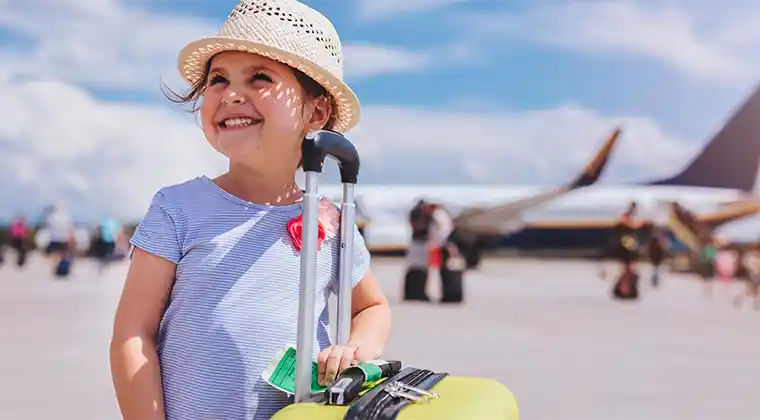
When travelling with children, UAE parents are urged to put clear and firm safety measures in place to prevent children from getting lost and to ensure a secure, stress-free trip.
Travelling with kids: Why UAE parents need strict safety guidelines.

Specialists emphasise that parents should engage in thoughtful, age-appropriate discussions with their children before and during travel, particularly when travelling with young children under the age of six. Establishing clear expectations and simple safety rules can play a critical role in protecting children when they are placed in unfamiliar environments. New destinations, busy public spaces and changes to daily routines can easily confuse young children, making guidance and preparation essential to reducing potential risks while on holiday.
Experts note that young children may not always understand danger or recognise unsafe situations, which is why parents are encouraged to explain rules in ways that match their child’s level of understanding. Simple instructions such as staying close, recognising trusted adults, or knowing what to do if they feel lost can significantly reduce the chances of a child wandering away or encountering harm. These conversations help children feel more secure and confident, while also giving parents greater peace of mind when navigating crowded or unfamiliar locations.
According to child safety professionals, preparation becomes even more important during peak travel periods, such as winter holidays. Rafal Hyps, Chief Executive Officer of Sicuro Group, highlighted that travelling during school breaks introduces additional challenges for families. He explained that the combination of holiday fatigue, disrupted routines and increased stimulation can heighten safety risks for children.
Hyps pointed out that winter travel often means long journeys, irregular sleep schedules and packed itineraries, all of which can leave both parents and children feeling exhausted. When families are tired, attention levels naturally drop, making it easier for children to slip out of sight or ignore previously set rules. At the same time, children may feel overwhelmed by new surroundings, loud noises and crowded places, which can lead to impulsive behaviour or anxiety.
Another factor contributing to increased risk during holiday travel is the sheer volume of people moving through airports, transport hubs and tourist attractions. Peak travel seasons are known for congestion, long queues and busy terminals. In such environments, even a brief moment of distraction can result in a child becoming separated from their family. Hyps stressed that these crowded conditions demand heightened awareness from parents, as distractions are far more common.
Busy tourist destinations also place pressure on hotels, resorts and public facilities. Staff may be managing larger numbers of guests than usual, which can limit their ability to closely monitor public spaces or respond immediately to minor incidents. While most facilities maintain safety protocols, the increased demand during holiday seasons can reduce overall responsiveness, making parental supervision even more critical.
Hyps explained that all of these factors combined — parental fatigue, disrupted routines, excited children and crowded environments — create what he described as a more chaotic setting. In such conditions, the likelihood of small safety lapses increases. A child running ahead, wandering toward a colourful attraction or stepping away during a moment of distraction can happen in seconds.
Experts therefore advise parents to reinforce safety measures before travel begins. This includes setting clear rules about staying within sight, identifying meeting points in case of separation, and teaching children how to seek help from appropriate authorities if needed. For younger children, visual aids, repetition and calm reassurance can help reinforce these messages without causing fear.
In addition to verbal guidance, parents are encouraged to take practical steps to enhance safety. Dressing children in easily recognisable clothing, using identification tags, and maintaining regular headcounts in public places can make a significant difference. Planning rest breaks and avoiding overly packed schedules can also help reduce fatigue and improve focus for both parents and children.
Ultimately, experts agree that travel can be an enriching and enjoyable experience for families when proper precautions are taken. By having open conversations, setting clear boundaries and remaining vigilant, parents can minimise risks and ensure that holidays remain positive and memorable. While winter travel presents unique challenges, thoughtful preparation and awareness can help families navigate busy environments safely and confidently.
Child safety specialists stress that meaningful communication between parents and children is one of the strongest tools for preventing dangerous situations while travelling. Dr Wafa Saoud, a clinical psychologist at Sage Clinics, explains that children benefit most when conversations about safety are tailored to their age, emotional maturity and ability to understand risk. Rather than overwhelming children with warnings, parents should focus on building awareness of their surroundings and helping children feel confident about how to respond if something feels wrong.
Dr Saoud notes that parents play a vital role in teaching children how to identify behaviour that may be unsafe, trust their instincts and respect personal boundaries. Children should be encouraged to listen to their internal sense of discomfort and to speak up if they feel uneasy. She adds that parents can empower their children by teaching them how and when to ask for help, and by identifying which adults are considered safe, such as police officers, security staff or uniformed personnel.

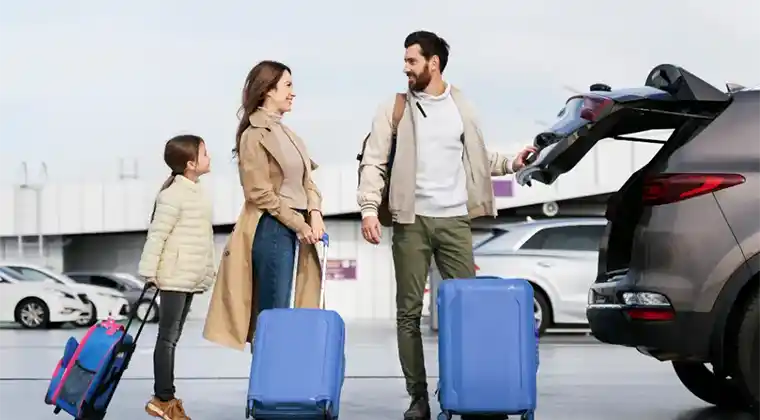
She emphasises that these discussions are most effective when they are straightforward, calm and honest. Overly dramatic explanations can increase fear, while vague guidance can leave children confused. Instead, parents can gently explain that different countries and cities may have busier roads, larger crowds or public transport systems that feel unfamiliar. Framing these differences in a matter-of-fact way helps children stay alert without becoming anxious.
Another key element of preparation, according to Dr Saoud, is ensuring that children memorise essential personal information. Even at a young age, children can begin learning their parents’ names, phone numbers and, when possible, a home address. This becomes particularly important when children are too young to carry a phone or when devices may run out of battery. Repetition, songs or games can help children remember these details more easily.
The importance of these precautions becomes clear when parents share real-life experiences. Shahid Khan recalls a frightening incident during a family trip to Venice with his two young sons, aged three and one at the time. While navigating the busy city with strollers, bags and shopping items, his older child became restless and climbed out of the stroller. As the family crossed several bridges, they suddenly realised that the toddler was no longer beside them.
Shahid described the moment as overwhelming and terrifying. The narrow walkways, crowds of tourists and unfamiliar layout of the city intensified the panic. His wife became distraught while he immediately retraced their steps, calling out his son’s name. After several agonising minutes, he found the child calmly leaning against a bridge railing, watching the water below, completely unaware that he had been separated from his parents. Although the separation lasted only a few minutes, the emotional impact was profound and long-lasting.
This type of incident highlights one of the most frequent safety concerns families face while travelling: brief but potentially dangerous separations in busy public spaces. Airports, shopping centres, museums, beaches and theme parks are particularly high-risk environments due to crowds, noise and constant movement. In these settings, it can take only a moment for a child to drift out of sight.
Security expert Rafal Hyps explains that children can disappear from view in just a few seconds, especially in unfamiliar surroundings. When parents are navigating new environments without a clear mental map, it becomes harder to react quickly. Without a predefined plan, those critical first moments can be lost to confusion or hesitation.
Modern travel also brings additional distractions that increase risk. Screens such as phones and tablets can divert both children’s and parents’ attention, reducing awareness of what is happening around them. At the same time, travel disrupts the informal rules children rely on at home, such as knowing which areas are safe, who they are allowed to approach and what to do if plans suddenly change. In unfamiliar places, children may test boundaries or behave unpredictably.
To counter these challenges, experts recommend teaching children practical safety habits well before a trip begins. Dr Saoud believes it is never too early to help children learn what to say and do if they feel lost or unsafe. Because fear can make it difficult for children to think clearly, having a simple, rehearsed phrase can make a significant difference. Short sentences such as asking for help to find a parent are easier for a distressed child to remember and use.
She also stresses the importance of guiding children toward the right sources of help. Trusted adults include police officers, airport personnel, security guards and other uniformed staff. As a last resort, children may seek assistance from another parent who is with their own children, as they are more likely to understand the urgency of the situation.
Equally important is teaching firm boundaries. Children should clearly understand that they must not go anywhere with an unfamiliar adult, enter a car or move to another location, even if the person seems kind or helpful. Reinforcing these rules repeatedly helps children respond instinctively in stressful situations.
Technology can also play a role in child safety during travel. Rafal notes that tools such as GPS trackers, smartwatches and location-sharing apps can offer parents additional peace of mind. However, he cautions against treating these devices as a complete solution. Technology can malfunction, lose signal or be removed, particularly in crowded or remote areas. Parents are encouraged to choose tools that suit their child’s age and to test connectivity before relying on them abroad.
Beyond technology, children should be taught to recognise places that pose higher risks. Large car parks, loading zones, underground areas and poorly lit or isolated locations can be dangerous if a child becomes separated. Rafal explains that a simple rule for children to remember is to move toward people, light and official staff if they feel uncomfortable. Hiding or wandering further away can make it harder for help to arrive quickly.
He also advises parents to act immediately if a child goes missing, even briefly. Hesitation is common because parents fear embarrassment or worry about overreacting. However, Rafal stresses that the consequences of delaying action can be far more serious. Alerting staff, security or authorities right away increases the chances of a quick and safe reunion.
According to experts, preparation, communication and vigilance together form the strongest defence against travel-related safety risks. While no system can eliminate every danger, parents who set clear rules, practise scenarios and stay attentive can significantly reduce the likelihood of serious incidents. Travel can still be a joyful and enriching experience for families, but it requires thoughtful planning and an understanding that unfamiliar environments demand extra caution.
Ultimately, the goal is not to frighten children, but to equip them with the confidence and knowledge they need to stay safe. When children understand what to do, who to trust and how to respond, families are better prepared to handle unexpected situations. With the right balance of awareness, boundaries and calm guidance, parents can help ensure that travel memories are positive ones, rather than shaped by moments of fear or panic.