
The United Arab Emirates recorded its coldest temperature as thermometers dropped to 3.5°C on Jebel Jais in Ras Al Khaimah, highlighting unusually chilly weather conditions across the country during the early morning hours there today.
UAE sees lowest temperature at 3.5°C on Jebel Jais in Ras Al Khaimah.
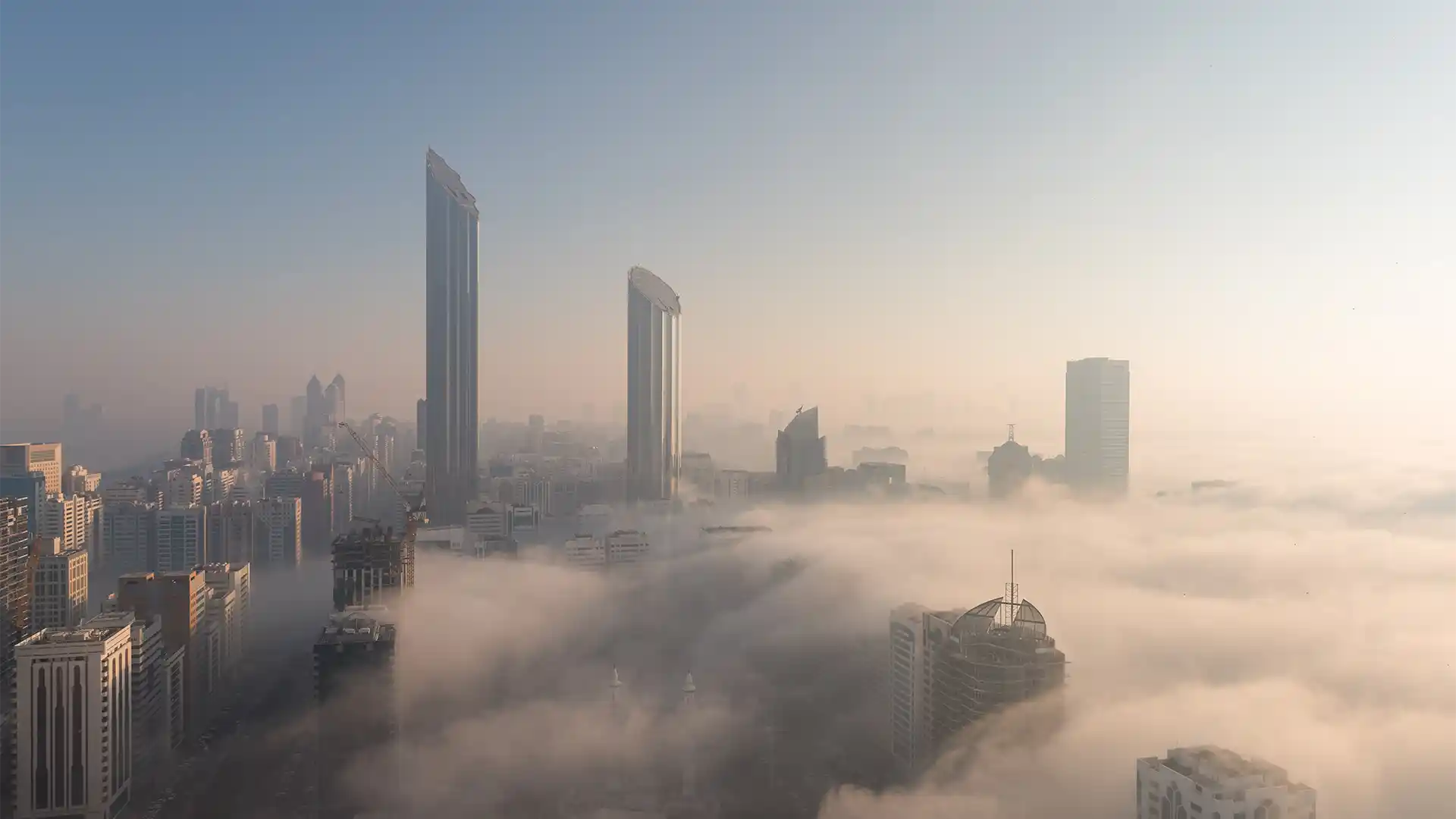
The United Arab Emirates experienced its coldest weather reading of the current winter season on Saturday, December 20, as temperatures dropped significantly in one of the country’s mountainous regions. The National Centre of Meteorology (NCM) confirmed that the minimum temperature recorded nationwide reached just 3.5°C, marking a notable shift from the generally warm climate the UAE is known for.
Meteorological data released by the NCM showed that the unusually low temperature was measured at Jebel Jais, the highest peak in the country, located in the emirate of Ras Al Khaimah. The reading was taken precisely at midnight local time, when temperatures typically reach their lowest point due to reduced solar heat and clear atmospheric conditions. This measurement now stands as the coldest officially documented temperature in the UAE so far during the ongoing winter season.
Jebel Jais is well known for experiencing cooler weather compared to the rest of the country because of its high elevation and rugged terrain. During winter months, temperatures in this area often fall sharply, particularly during nighttime and early morning hours. However, the 3.5°C reading represents one of the most significant temperature drops recorded this season, drawing attention from both residents and weather observers.
The National Centre of Meteorology routinely monitors weather conditions across the UAE using a network of advanced weather stations positioned in various geographical locations, including deserts, coastal regions, and mountainous areas. These stations provide real-time data that help authorities track temperature changes, issue forecasts, and alert the public about unusual or extreme weather patterns.
According to meteorologists, the sharp drop in temperature can be attributed to seasonal winter conditions combined with clear skies and calm winds, which allow heat to escape rapidly from the Earth’s surface during the night. Such conditions are especially pronounced in elevated areas like Jebel Jais, where cooler air settles more quickly than in low-lying regions.
Residents and visitors in Ras Al Khaimah, particularly those traveling to mountainous areas, were advised to take necessary precautions due to the cold weather. Authorities often recommend wearing appropriate winter clothing and exercising caution while driving in high-altitude regions, as colder temperatures can affect visibility and road conditions.
While the rest of the UAE continued to experience mild winter weather, this record-low temperature serves as a reminder of the country’s diverse climate and geographical variation. Weather experts note that similar cold spells may occur in the coming weeks as winter progresses, especially in inland and mountainous locations.
The NCM continues to monitor weather trends closely and encourages the public to stay informed through official forecasts and updates. As winter conditions persist, further temperature fluctuations are expected, making it important for residents to remain aware of changing weather patterns across different parts of the country.


Jebel Jais Mountain, which stands as the tallest natural elevation in the United Arab Emirates, has long been recognized for its distinctly cooler climate, particularly when contrasted with the country’s coastal cities and expansive desert landscapes. Owing to its high altitude and rugged terrain, the mountain experiences weather patterns that differ markedly from the rest of the UAE, especially during the winter season. As temperatures across the nation begin to ease with the arrival of winter, Jebel Jais often becomes one of the first areas to feel the full effect of the seasonal change, with noticeably colder air settling in during the night and early morning hours.
Unlike low-lying coastal regions, where humidity and proximity to the sea help moderate temperature drops, mountainous areas such as Jebel Jais cool down much more rapidly after sunset. The thinner atmosphere at higher elevations allows heat to escape more quickly, leading to sharper temperature declines once daylight fades. This phenomenon becomes increasingly apparent during winter, when shorter days and longer nights create ideal conditions for colder weather to develop. As a result, residents and visitors to Jebel Jais often experience temperatures that feel dramatically different from those recorded just a short drive away in nearby cities.
During the winter months, much of the UAE enjoys relatively mild and pleasant weather compared to the intense heat of summer. Daytime temperatures are generally comfortable, making this period popular for outdoor activities, tourism, and travel. However, as night falls, inland and mountainous regions begin to cool significantly. In places like Jebel Jais, early morning hours frequently bring crisp air and chilly conditions, sometimes requiring heavy clothing that would be unnecessary elsewhere in the country.
Inland regions across the UAE also experience similar, though less extreme, cooling patterns. Areas located away from the coast tend to lose heat more quickly during the night due to lower humidity levels and open terrain. As winter progresses, these regions often see temperatures dip to their seasonal lows just before sunrise. This daily cycle of warming and cooling is a defining feature of the UAE’s winter climate, highlighting the contrast between daytime comfort and nighttime chill.
Weather experts note that the cooling effect in mountainous areas is further intensified by calm winds and clear skies, both of which are common during winter. Clear skies allow heat to radiate away from the Earth’s surface without being trapped by clouds, while light winds prevent warmer air from mixing with colder layers. These conditions combine to create the coldest temperatures of the season, particularly in elevated locations such as Jebel Jais.
As winter sets in across the UAE, the general climate remains cool and stable, with fewer extreme weather events compared to other times of the year. Coastal areas continue to enjoy moderate temperatures, while desert regions experience cool nights and mild days. Meanwhile, mountainous zones stand out for their distinctly colder environment, often becoming gathering points for those seeking a winter-like experience within the country.
The seasonal drop in temperature also brings changes to daily routines and travel habits. Early morning hours, especially in mountain and inland areas, are often the coldest, prompting residents and visitors to dress accordingly. Authorities regularly advise motorists heading to higher elevations to be prepared for reduced visibility and colder conditions, particularly during late-night or early-morning travel.
Overall, the winter season highlights the UAE’s diverse geography and climate. While the country is widely associated with warm weather and sunshine, locations such as Jebel Jais demonstrate that cooler, even chilly, conditions are very much a part of the national climate during certain times of the year. As winter continues, temperatures are expected to remain generally cool across the UAE, with the most pronounced drops occurring in mountain and inland areas during the quiet hours before dawn. This seasonal contrast adds to the unique environmental character of the country, offering a range of weather experiences within a relatively small geographic area.