The story highlights an Emirati woman who successfully reduced food waste by turning surplus food into one million meals, helping communities while promoting sustainability and responsible consumption across the UAE.
UAE: Meet Emirati woman who transformed food waste into one million meals
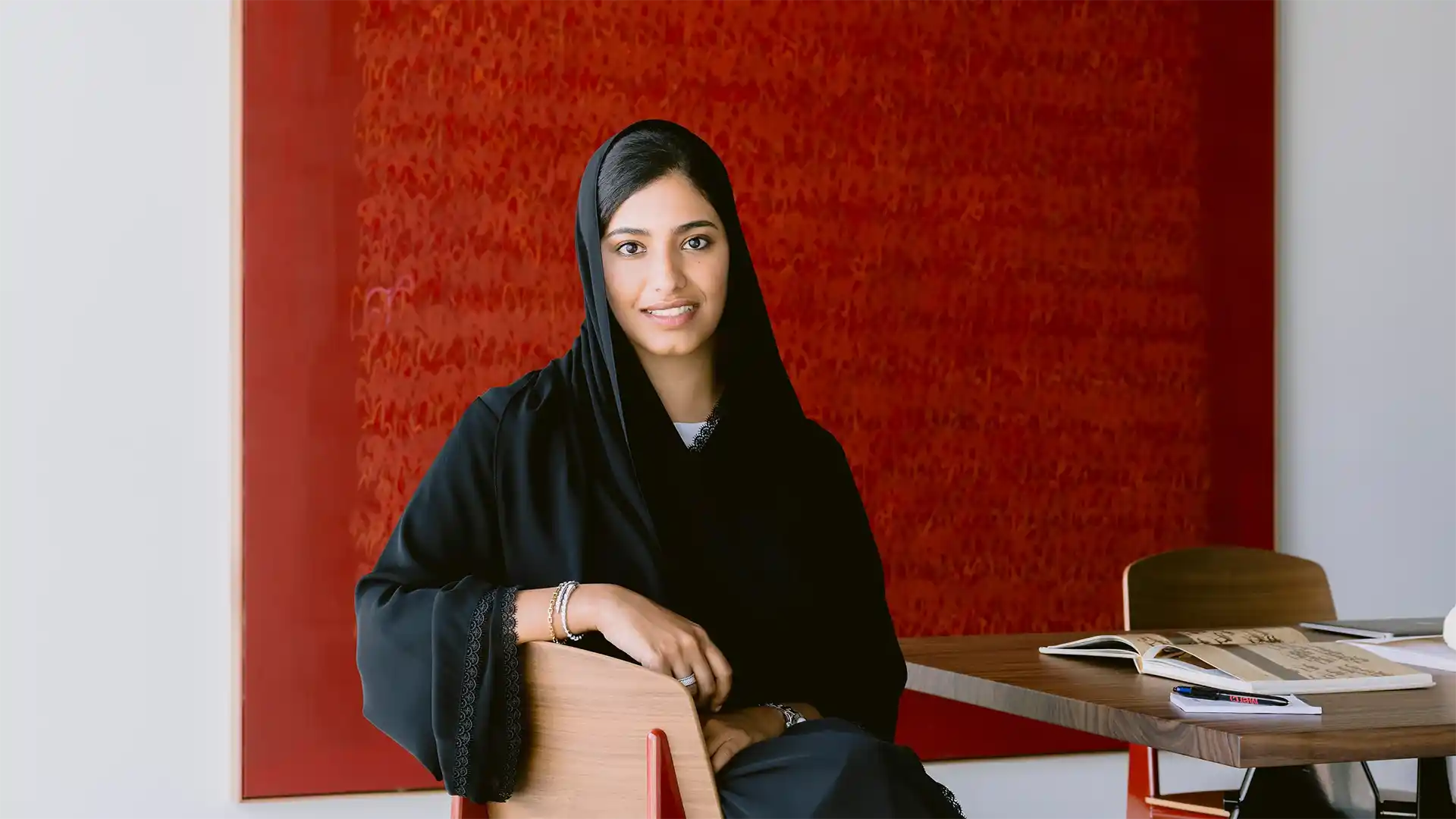
About two years ago, Maryam AlFalasi played a key role in developing a mechanism that channelled excess food from retailers into over one million meals for those in need, addressing an issue that costs the UAE roughly Dh13 billion every year.
Reports indicate that the nation discards nearly 3.27 million tonnes of food annually, with about 38 per cent of cooked food thrown away each day. AlFalasi, who represents the food sector under the National Experts Programme (NEP), chose to tackle the challenge by closely studying daily behaviour — what residents purchase, store, ignore and eventually discard across the Emirates.
“Retailers had always expressed interest in donating surplus food. Many said it openly,” AlFalasi told insider18. “But good intentions alone are ineffective when there is no clear route. There were no unified processes, clear guidelines, or a common framework to transform surplus food into a dependable meal for someone else.”
She explained that the solution required cooperation across multiple sectors, including government bodies, retailers, logistics partners, and charities, to ensure food safety, efficiency, and accountability at every step. By mapping the entire journey of surplus food — from shelves to storage, transport, and final distribution — the initiative created trust among donors and recipients alike. Clear standards helped retailers feel confident that donated food would be handled responsibly, while beneficiaries could rely on consistent quality. Over time, the structured system not only reduced waste but also encouraged more businesses to participate, gradually embedding food donation into routine commercial practice rather than treating it as an occasional charitable act.

Making the easiest decision
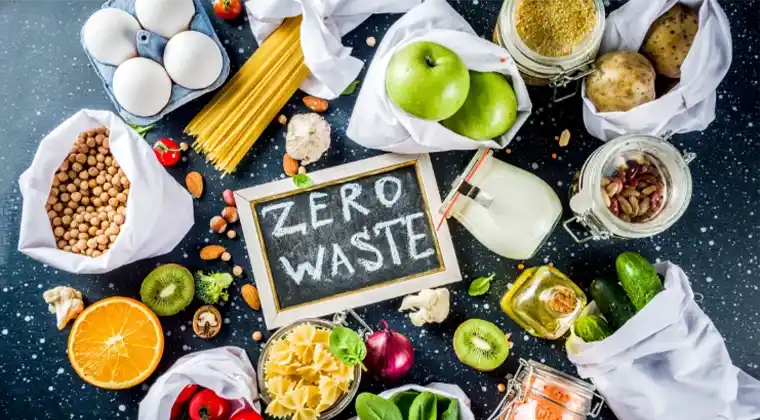
AlFalasi went on to build a hands-on framework that ensured food donation became the easiest option instead of a complex task. By forming structured collaborations with partners nationwide, she helped establish a scalable donation process that reduced obstacles and offered retailers clear, consistent steps they could confidently follow.
The UAE ranks among the highest globally for food waste per person, averaging about 2.7kg daily — more than twice the European rate. During Ramadan, this amount can climb to 5.4kg per individual, with nearly 60 per cent of cooked food being thrown away.
Her approach showed the impact of aligning thoughtful design with genuine intent. “By working through organised partnerships, we developed a system capable of functioning nationwide,” she explained.
She is now focused on growing the initiative further and boosting the total number of meals redistributed. Her insight into food waste stems from years spent observing where decisions are quietly made — in storage areas, inventory checks, donation routes, and back-end operations where edible food is often discarded as routine.
“What we rescue today becomes someone’s meal tomorrow,” AlFalasi said. “That belief comes from what I’ve seen firsthand.”
The National Experts Programme provided the framework that helped her transform close observation into solutions with national reach. She realised that food security relies less on dramatic interventions and more on small, regular improvements made consistently.
Towards stronger food security
AlFalasi is currently completing a master’s degree in international business and policy at Georgetown University’s McDonough School of Business, supported by a UAE Ministry of Education scholarship. She holds a bachelor’s degree in General Business Administration and a higher diploma in Tourism and Event Management from the Higher Colleges of Technology, along with sustainability leadership certifications from the University of Cambridge.
Her work tackles food system vulnerability by focusing on behaviour change rather than infrastructure alone, demonstrating that food security often begins with systems that simplify responsible choices.
Through Ne’ma, the National Food Loss and Waste Initiative, the UAE aims to cut food waste by 50 per cent by 2030. With 80 to 90 per cent of food being imported, reducing waste is critical to both economic stability and long-term food security.