
The UAE has implemented a VAT reverse charge mechanism for scrap metal transactions, shifting tax responsibility from sellers to buyers to reduce fraud, improve compliance, and streamline tax collection processes.
UAE introduces VAT reverse charge system for scrap metal trade
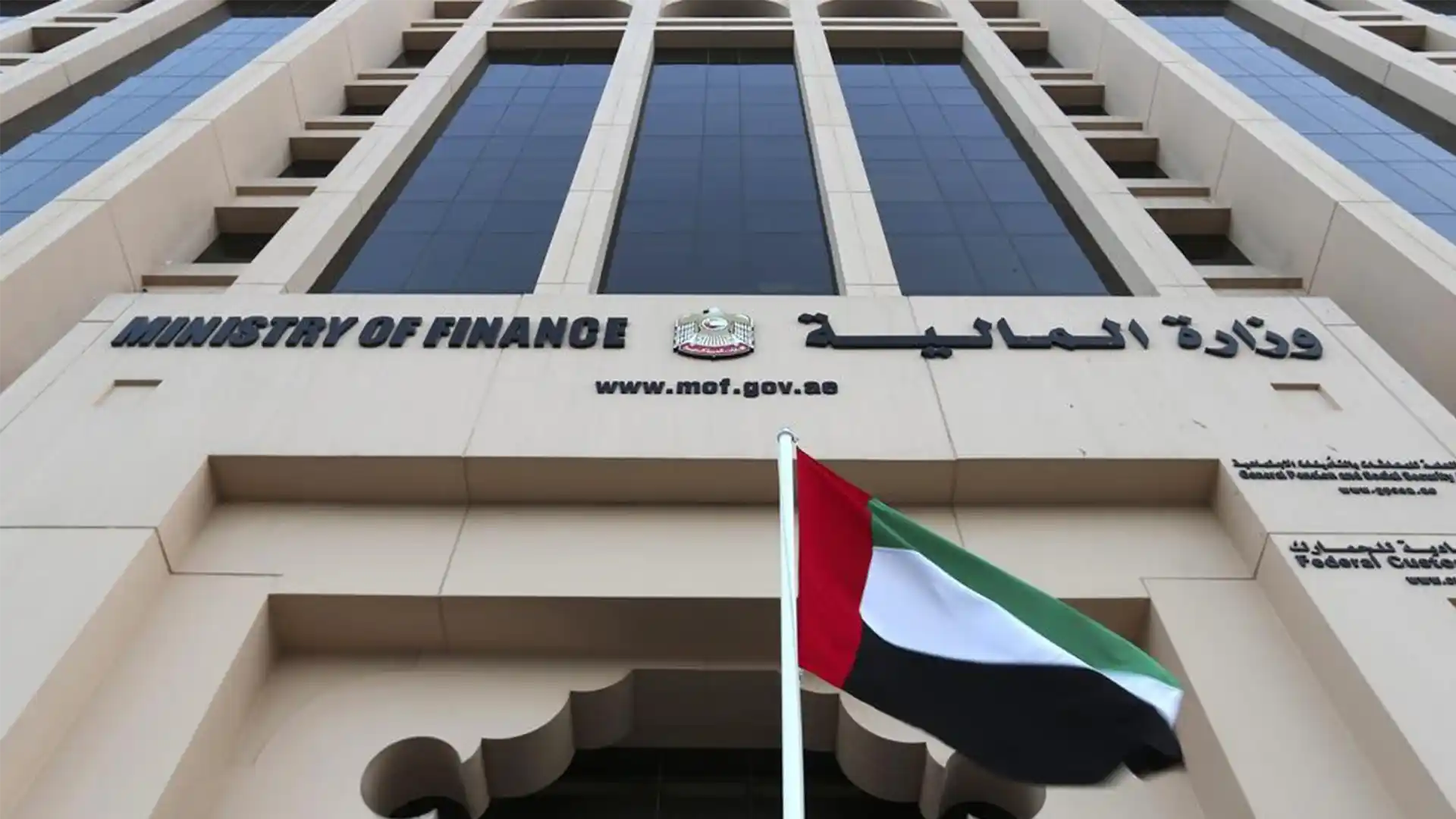
The UAE Ministry of Finance (MoF) has confirmed the release of Cabinet Decision No. 153 of 2025, which introduces the reverse charge mechanism for metal scrap transactions between VAT-registered entities in the country, set to take effect from January 14, 2026.
The Ministry explained that the measure forms part of broader government initiatives aimed at improving tax system efficiency and curbing fraudulent activity within the scrap metal trading industry. The decision also seeks to enhance tax equity and encourage voluntary compliance, while reinforcing transparency and maintaining the competitiveness of the UAE’s business environment.
Under the revised framework, the purchaser — whether acquiring scrap metal for onward sale or for processing into inputs used in manufacturing new goods — will assume responsibility for calculating and declaring the VAT due, along with fulfilling all related tax obligations arising from the transaction. Sellers, meanwhile, will no longer be required to levy VAT on such supplies.
The ruling also requires both parties involved in the transaction to complete certain procedural steps before the supply takes place.
These include the buyer submitting a written declaration to the seller, stating that the scrap metal is being acquired either for resale or for processing purposes. Alongside confirming the buyer’s registration with the Federal Tax Authority (FTA), suppliers must collect and retain these declarations, verify the buyer’s FTA registration status, and clearly note on the invoice that the reverse charge mechanism is applicable.
The Ministry stated that rolling out this system is expected to substantially curb tax evasion and improve the efficiency of VAT refund processes within the scrap metal trade. The move builds on the successful implementation of a similar mechanism in sectors such as electronic goods, gold, and other precious metals.
It further noted that the decision supports the UAE’s broader objective of developing a cohesive financial system that promotes transparency, sustainability, and confidence in the national tax framework.


The Ministry also emphasised that businesses operating in the scrap metal sector should begin preparing well in advance of the implementation date to ensure full compliance. This includes updating accounting systems, training finance and tax teams, and reviewing contracts and invoicing practices. Companies were encouraged to seek professional tax advice where necessary, particularly to understand documentation requirements and reporting obligations under the reverse charge mechanism. Early preparation, the Ministry noted, would help minimise operational disruptions and ensure a smooth transition once the new rules take effect. Clear internal processes will be essential to avoid errors that could lead to penalties or delays in tax filings.
In addition, the Ministry highlighted that the decision reflects international best practices adopted in several jurisdictions to combat VAT fraud in high-risk sectors. Scrap metal trading is often vulnerable to misuse due to its fragmented supply chains and high transaction volumes. By shifting VAT responsibility to the buyer, authorities can improve traceability and oversight while reducing opportunities for tax leakage. The move is also expected to create a more level playing field for compliant businesses, discouraging unfair competition from non-compliant operators. Overall, the initiative reinforces the UAE’s commitment to a robust, transparent, and business-friendly tax environment.