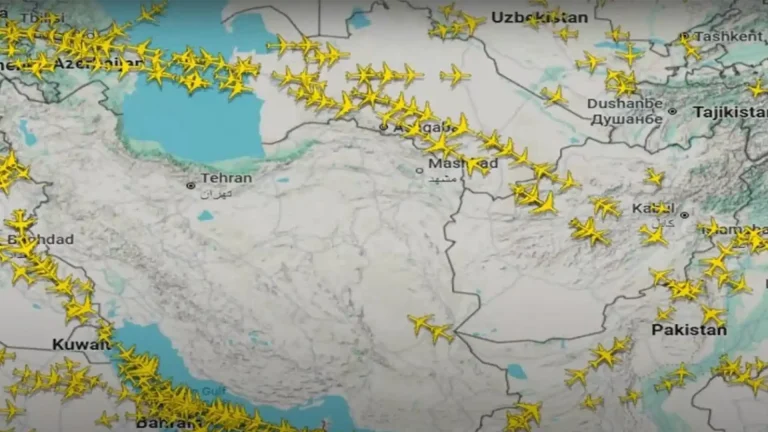
The report discusses whether the crescent moon marking the start of Rajab 1447 AH will be visible on December 20 in the UAE and other Islamic countries, based on astronomical predictions.
Rajab 1447 AH moon sighting on December 20: Can it be seen across UAE, other nations?
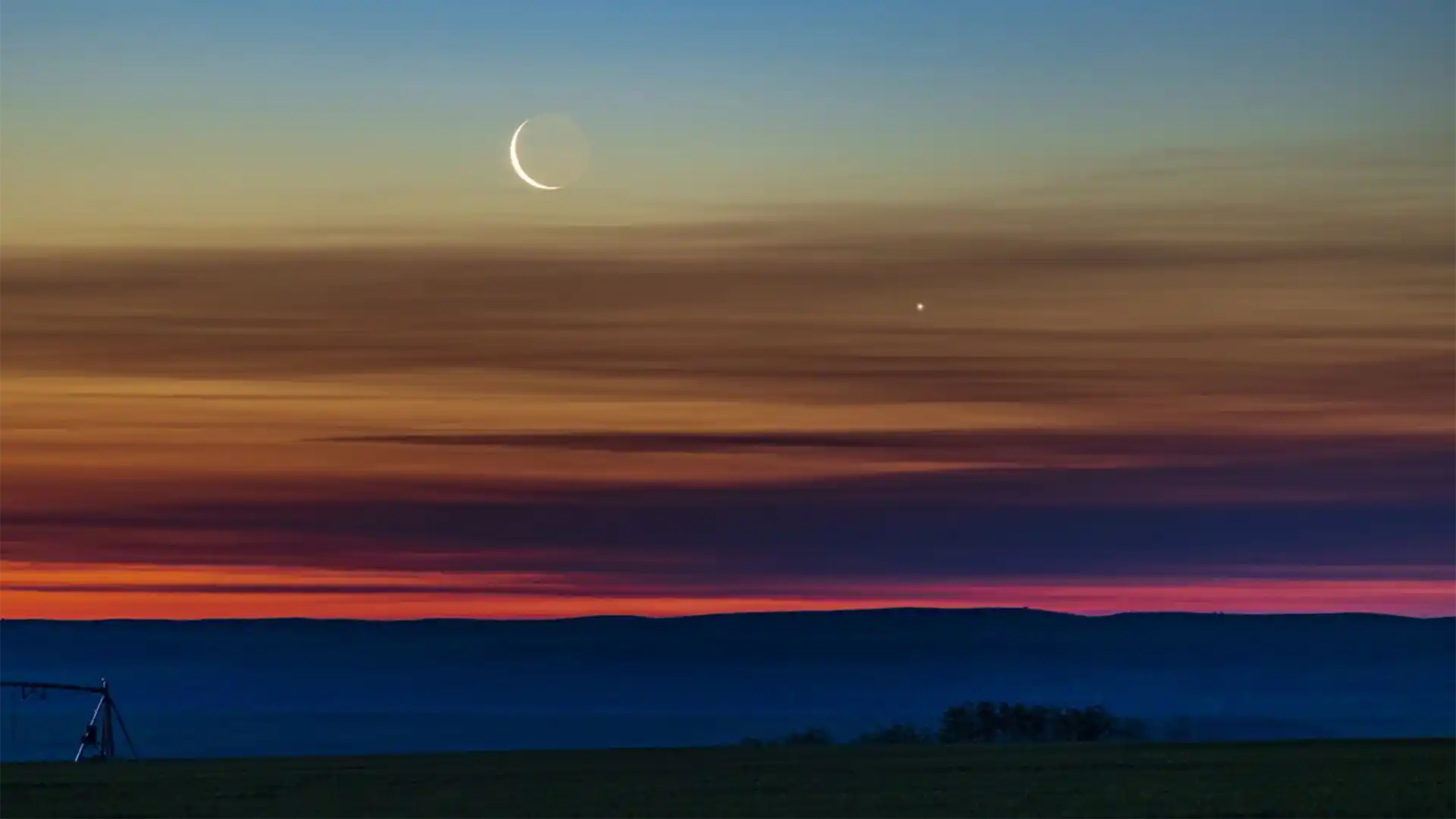
Rajab 1447 AH crescent expected on December 20: Visibility prospects in UAE and other regions
Astronomical authorities say most Islamic nations will attempt to observe the Rajab 1447 AH crescent on Saturday, December 20, 2025, according to the Astronomy Centre.
Following sunset, the new moon may be detectable using optical equipment in certain parts of Africa and South America, while naked-eye visibility is possible in western South America and parts of the Pacific region.
In a statement shared on social media platform X, the Astronomy Centre explained that because visibility is possible in some Muslim-majority countries, a number of Islamic calendars have provisionally marked Sunday, December 21, as the first day of Rajab. However, the official beginning of the month depends on confirmation by local authorities after reviewing moon-sighting reports.
Will the Rajab 1447 crescent be seen in the UAE?
The Astronomy Centre stated that observing the crescent will not be feasible in cities including Jakarta, Abu Dhabi, Riyadh, Amman, Jerusalem, Cairo and Rabat, as the moon will set shortly after sunset in these locations. In contrast, observation through telescopes may be possible in Maputo, Mozambique, where the moon remains above the horizon for 39 minutes after sunset and reaches an age of 16 hours and 8 minutes.
Below are the moonset timings and crescent ages at sunset, as calculated by the Astronomy Centre:
Jakarta: Moon sets 18 minutes after sunset, age 11 hours 16 minutes.
Abu Dhabi: Moon sets 10 minutes after sunset, age 13 hours 30 minutes.
Riyadh: Moon sets 11 minutes after sunset, age 13 hours 55 minutes.
Amman and Jerusalem: Moon sets 8 minutes after sunset, age 14 hours 9 minutes.
Cairo: Moon sets 10 minutes after sunset, age 14 hours 24 minutes.
Rabat: Moon sets 12 minutes after sunset, age 16 hours 3 minutes.
The Astronomy Centre added that minimum requirements for crescent visibility are as follows:
Minimum duration above the horizon for naked-eye sighting: 29 minutes.
Minimum crescent age for naked-eye visibility: 15 hours 33 minutes.
Exceeding these thresholds does not automatically ensure visibility, as successful sighting also depends on factors such as the moon’s angular separation from the sun and its height above the horizon during observation.
Additionally, the Astronomy Centre confirmed via social media that the central lunar conjunction will take place on the same day at 01:43 GMT (5:43am UAE time). This conjunction occurs when the Moon aligns almost perfectly between the Earth and the Sun, marking the New Moon phase.
Astronomy experts also advised observers to rely only on official announcements from religious authorities in their respective countries, as weather conditions, atmospheric clarity, and local observation methods can significantly influence whether the crescent is successfully sighted or not.

Astronomy Centre further explained that modern moon-sighting efforts now combine traditional visual observation with advanced astronomical calculations to improve accuracy. High-powered telescopes, digital imaging, and precise lunar data help experts determine when and where the crescent might be visible. However, despite technological support, many Islamic countries continue to prioritise physical sighting as a religious requirement. As a result, variations often occur between countries in announcing the start of Islamic months. These differences are influenced by geographical location, horizon conditions, atmospheric clarity, and national religious protocols, which is why neighbouring countries may sometimes begin the month on different days despite sharing similar astronomical data.
The centre also noted that public interest in moon sighting has increased in recent years, especially with the spread of real-time updates on social media platforms. While this has helped raise awareness, authorities cautioned against relying on unofficial sightings or viral claims. Experts stressed that accurate crescent observation requires trained personnel, proper equipment, and scientifically verified conditions. Incorrect claims can cause confusion among communities observing religious practices such as fasting and worship. Therefore, residents were urged to follow announcements issued by official moon-sighting committees or religious councils, which assess both eyewitness reports and astronomical evidence before confirming the beginning of a new Hijri month.