An inspiring Emirati woman has transformed food waste into over one million meals, turning discarded resources into nourishment and demonstrating the powerful impact of innovation and sustainability in the UAE.
From Waste to Worth: Emirati Woman Creates One Million Meals from Food Waste.
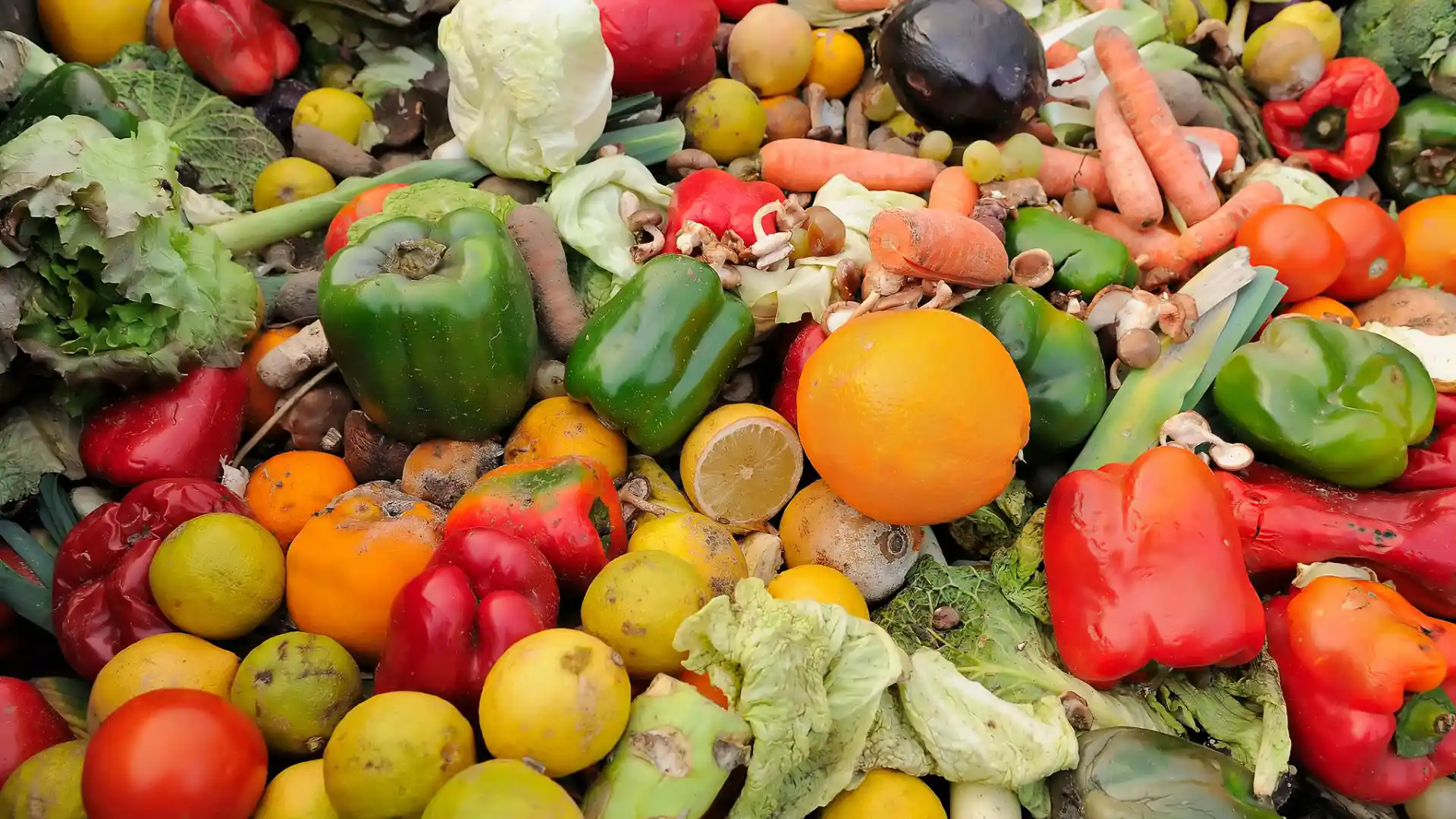
Two years ago, Maryam AlFalasi played a key role in creating a system that channels surplus food from stores into over a million meals for those in need, addressing a challenge that costs the UAE roughly Dh13 billion every year. Reports indicate that the nation discards about 3.27 million tonnes of food annually, with nearly 38 percent of prepared meals thrown away on a daily basis. As a representative of the National Experts Programme (NEP) in the food sector, AlFalasi tackled the issue not through statistical models, but by closely studying everyday behaviors—observing what residents purchase, store, neglect, and ultimately discard across the Emirates.
“Retailers have always expressed a desire to give their surplus food to those in need,” AlFalasi told Insider 18. “However, good intentions alone aren’t enough when there’s no clear process. There were no established guidelines, no straightforward steps, and no unified framework to convert a store’s generosity into consistent meals for people who need them.”
Making the Easier Choice: How AlFalasi Turned Food Waste into Meals
Maryam AlFalasi realized that while many retailers wanted to donate their surplus food, the process often felt too complicated to implement. To address this, she developed a practical framework designed to make donating surplus food the simplest, most natural option for stores, rather than an overwhelming or burdensome task. By creating a clear, structured system, she removed barriers that had previously discouraged businesses from contributing. Through carefully coordinated partnerships with organizations throughout the UAE, AlFalasi established a model that could function efficiently on a national scale. Retailers now had clear, repeatable steps to follow, eliminating uncertainty and ensuring that good intentions translated into tangible results: meals for those in need.
The urgency of this work is clear when considering the UAE’s food waste statistics. The country has one of the highest per capita food waste rates in the world, with an average of 2.7 kilograms per person wasted daily—more than twice the European average. During Ramadan, the figures rise dramatically, reaching approximately 5.4 kilograms per person, with as much as 60 percent of prepared meals going to waste. In a country with such significant food loss, even small improvements in distribution systems can have a massive impact on reducing waste and feeding vulnerable populations.
AlFalasi’s approach demonstrates the power of design and organization in addressing systemic problems. By focusing on practical solutions, she transformed the process of food donation from a complex, ad hoc activity into a streamlined, scalable operation. “Through structured partnerships, we created a system that could function nationwide,” she explained, highlighting the importance of clarity, simplicity, and repeatability in achieving sustainable results.
Her efforts are ongoing. AlFalasi continues to refine the system, aiming to dramatically increase the volume of meals donated across the UAE. Her insights into food behavior come from years of hands-on observation in the places where everyday decisions about food are made—storerooms, stock inventories, donation channels, and behind-the-scenes operations where perfectly edible items are often discarded by default. By understanding these small, seemingly mundane routines, she was able to identify the critical points where interventions could have the greatest effect.
“What we save today feeds someone tomorrow,” she says, emphasizing that the initiative is grounded not in slogans, but in lived experience and careful observation. The National Experts Programme provided AlFalasi with the structure and resources necessary to translate these observations into national-level strategies. She recognized that food security is less about sweeping, one-time interventions and more about consistent, small corrections implemented every day. Each adjustment—no matter how minor—adds up to significant change, reducing waste while providing nourishment to those who need it most.
AlFalasi’s work serves as an inspiring example of how practical design, careful planning, and attention to everyday habits can address one of the UAE’s most pressing challenges. By making donation the easiest choice, she has not only streamlined the process for retailers but also created a model that demonstrates how thoughtful intervention can turn intention into impact. Her system proves that meaningful change doesn’t require grand gestures; it starts with simple, repeatable actions that make a real difference in the lives of people across the country.
Maryam AlFalasi is currently pursuing a master’s degree in international business and policy at Georgetown University’s McDonough School of Business, a program she attends through a scholarship awarded by the UAE Ministry of Education. Her academic foundation includes a Bachelor of General Business Administration and a Higher Diploma in Tourism and Event Management, both earned at the Higher Colleges of Technology. Beyond her formal degrees, AlFalasi has also participated in advanced sustainability leadership programs offered by the University of Cambridge, further deepening her understanding of environmental strategy, resource management, and systemic change. This combination of business expertise, operational knowledge, and sustainability training has equipped her with the tools to tackle complex issues such as food security in innovative ways.

Rather than focusing solely on infrastructure or logistical fixes, AlFalasi approaches food security through the lens of behavioral change. She emphasizes that the solution to food waste often begins not with the creation of new supply chains, storage facilities, or warehouses, but with designing systems that make it easier for individuals and organizations to make better decisions. Her work demonstrates that nudging behavior—through simplified processes, structured frameworks, and accessible guidelines—can have a far-reaching impact on reducing waste and redirecting food to those who need it most. In this way, AlFalasi’s initiatives address one of the UAE’s most vulnerable points: the gap between intention and action in food redistribution.
The significance of her work is heightened by the country’s unique food landscape. The UAE imports between 80 and 90 percent of its food, making effective management of resources critical both economically and for national food security. Wasted food is not just a loss of calories or meals—it represents billions of dirhams spent on products that never reach consumers, alongside the environmental costs associated with production, transport, and disposal. Recognizing these stakes, the UAE launched Ne’ma, the National Food Loss and Waste Initiative, which has set a target to cut food waste in the country by 50 percent by the year 2030. This ambitious goal requires coordinated action across retailers, households, policymakers, and non-governmental organizations, and it highlights the urgency of implementing efficient, scalable systems that ensure surplus food is redirected rather than discarded.
AlFalasi’s approach aligns perfectly with this national objective. By designing practical frameworks that guide retailers and food handlers toward predictable, repeatable donation behaviors, she transforms goodwill into measurable outcomes. Her focus on human behavior—understanding why food is wasted and how habits can be shifted—complements infrastructure-based solutions, ensuring that systems created to reduce waste are actually used and effective. By bridging the gap between policy and practice, she ensures that food redistribution becomes seamless, reliable, and scalable.
Her combination of academic knowledge, hands-on observation, and strategic thinking positions her as a key contributor to the UAE’s broader efforts in food sustainability. AlFalasi’s work demonstrates that achieving national targets like Ne’ma requires more than technology or infrastructure; it depends on designing environments where the right choices are easier than the wrong ones. In doing so, she not only addresses immediate food security concerns but also sets a model for sustainable practices that can influence policy, corporate behavior, and individual action, creating lasting social and economic impact across the Emirates.