Philippine airports are preparing for a festive travel surge, with nearly one million passengers expected to pass through terminals nationwide during the Christmas season, prompting heightened operations and crowd management measures.
Festive Season Travel Swell: Philippine Airports Expect Around 1 Million Flyers
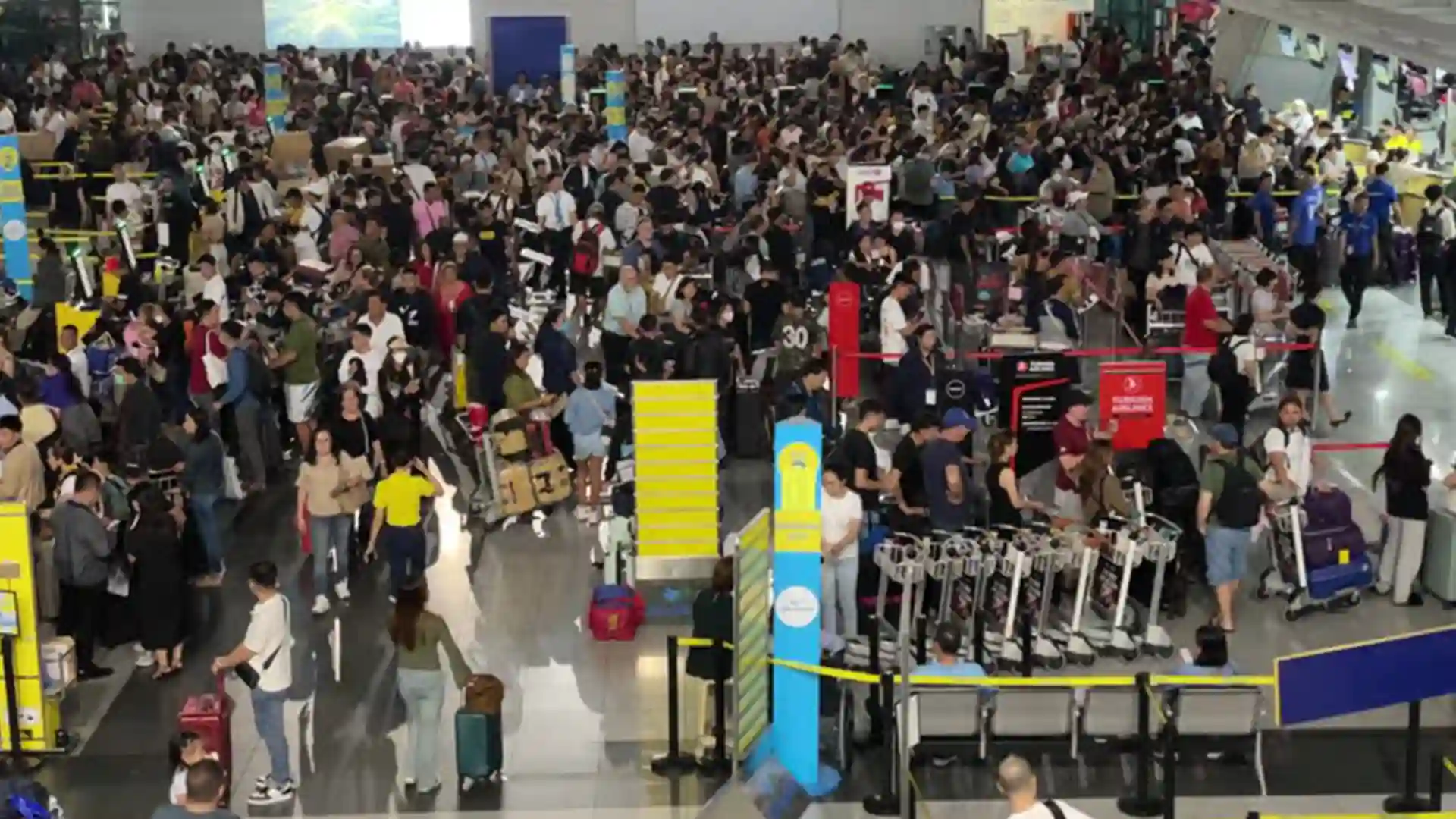
Philippine airports are preparing for a major influx of holiday travellers, with passenger numbers expected to approach one million during the Christmas season. In response, aviation authorities have raised their operational readiness to ensure smooth and safe travel across the country.
The Civil Aviation Authority of the Philippines (CAAP) announced on Friday, December 19, that it projects approximately 960,000 passengers will pass through airports nationwide during the peak holiday period. This represents an increase of about seven per cent compared to the 895,000 travellers recorded during the same period last year.
To cope with the anticipated surge and reduce the risk of congestion, CAAP has placed all airports under a heightened alert status from December 20, 2025, through January 4, 2026, local media outlet Inquirer.net reported. The alert status is intended to strengthen airport operations and ensure that facilities are fully prepared for heavier passenger traffic.
As part of the enhanced measures, airport authorities have established passenger assistance counters to address concerns and provide guidance. Additional security personnel have also been deployed, while medical teams are on standby to respond to emergencies during the busy travel period.
CAAP Director General Raul Del Rosario said the agency is focused on maintaining efficient and orderly airport operations throughout the holidays. He emphasised that passenger safety and convenience remain central to the authority’s efforts, noting that all necessary steps are being taken to manage increased demand while minimising delays.
Meanwhile, at Manila’s Ninoy Aquino International Airport (NAIA), the Manila International Airport Authority (MIAA) highlighted the scale of holiday travel in recent years. In December 2024 alone, NAIA recorded a total of 4.62 million passengers, comprising 2.22 million international travellers and 2.4 million domestic passengers.
Authorities expect a similar trend this year, with strong demand for both local and overseas travel as Filipinos head home or vacation during the festive season. Airport officials have urged travellers to arrive early, remain patient, and follow airport guidelines to ensure a smooth travel experience amid the Christmas rush.
Why is Christmas important for Filipinos?
Christmas holds deep cultural and emotional importance for Filipinos, serving as far more than a religious celebration or a festive holiday. It is widely regarded as a season of togetherness, gratitude, and renewed family bonds. In a country where family lies at the center of social life, Christmas becomes the most anticipated time of the year, marked by reunions, shared meals, and long-standing traditions that reinforce close relationships across generations. This significance is felt even more strongly among overseas Filipino workers (OFWs), for whom Christmas represents not only celebration but also a longing for home.
For millions of Filipinos working abroad, the holiday season becomes a powerful emotional pull. Many OFWs endure long periods of separation from their families, often missing birthdays, anniversaries, and everyday moments in exchange for the opportunity to provide a better life for their loved ones. Christmas, however, is viewed as non-negotiable. It is the one time of the year when sacrifices feel worthwhile, as returning home allows them to reconnect physically and emotionally with their families. Despite rising airfare costs, increased travel demand, and the stress of peak-season travel, many OFWs prioritize coming home, seeing the reunion itself as a priceless reward.
This strong tradition of travelling home for Christmas significantly contributes to the annual surge in passenger traffic at airports across the Philippines. As early as November, airports begin to experience a steady increase in arrivals and departures, culminating in a dramatic peak during the weeks leading up to December 25. Major gateways such as Ninoy Aquino International Airport, Mactan-Cebu International Airport, and Clark International Airport handle millions of passengers during this period. Airlines add extra flights, deploy larger aircraft, and adjust schedules to accommodate the influx of travelers, many of whom are returning Filipinos laden with gifts, or pasalubong, for their families.
The surge is not limited to international travel alone. Domestic flights also experience heightened demand as families scattered across different regions make their way back to their hometowns. Provinces become noticeably livelier as returning family members bring economic activity, boosting local businesses, transportation services, and tourism-related sectors. In this way, Christmas travel not only reflects cultural values but also plays a role in stimulating the local economy.
However, the seasonal travel rush also poses challenges. Congested airports, flight delays, and logistical strains test the capacity of transportation infrastructure. Government agencies and airport authorities often implement special measures, such as increased staffing, extended operating hours, and passenger advisories, to manage the volume efficiently and ensure traveler safety.
Ultimately, the annual Christmas travel surge in the Philippines is a testament to the deep-rooted value Filipinos place on family and togetherness. Despite practical difficulties and financial costs, the desire to be home for Christmas remains unwavering, reinforcing the idea that for Filipinos, no distance is too far when it comes to celebrating the season with loved ones.