The UAE has introduced a new law permitting the regulated medical use of hemp-based products, marking a significant shift in healthcare policy and opening doors for controlled therapeutic applications.
UAE approves legislation allowing hemp-based products for medical purposes for the first time
The UAE Government has enacted a new Federal Decree-Law that sets out a comprehensive framework to regulate the industrial and medical use of industrial hemp, marking a significant policy shift while maintaining strict controls to prevent misuse.
The legislation lays the foundation for a new economic sector that supports sustainable development and allows industrial hemp to be used across a range of industries. These include textiles, construction materials, paper and packaging, as well as the production of legally approved medical products. At the same time, the law draws a clear line against personal or recreational use. Activities such as the import, manufacture, or use of hemp in food products, dietary supplements, veterinary products, smoking-related items, or any other products identified by Cabinet decisions are strictly prohibited.
Cosmetic products containing industrial hemp are also banned, with limited exceptions for items that include oils extracted from hemp seeds or stalks, or other exemptions approved by the Cabinet. These restrictions are based on concerns that certain hemp-derived substances may produce narcotic or psychoactive effects, placing them under the scope of criminal law, narcotics legislation, and related regulations.
The Decree-Law applies nationwide, including all free zones, and covers every stage of industrial hemp-related activity. This includes importing and exporting seeds, cultivating hemp in secured and monitored locations, transporting and disposing of seeds and seedlings, and manufacturing, trading, and exporting hemp-based products as permitted by law.
Each emirate retains the authority to restrict or ban industrial hemp activities within its jurisdiction in line with local regulations. Any violations in such cases would be subject to penalties under criminal, narcotics, and other applicable laws.
For the first time, the law allows industrial hemp to be used in medical products that contain hemp compounds or raw materials derived from the plant. These products will be regulated under existing laws governing medical products, pharmaceutical practices, and pharmacy establishments.
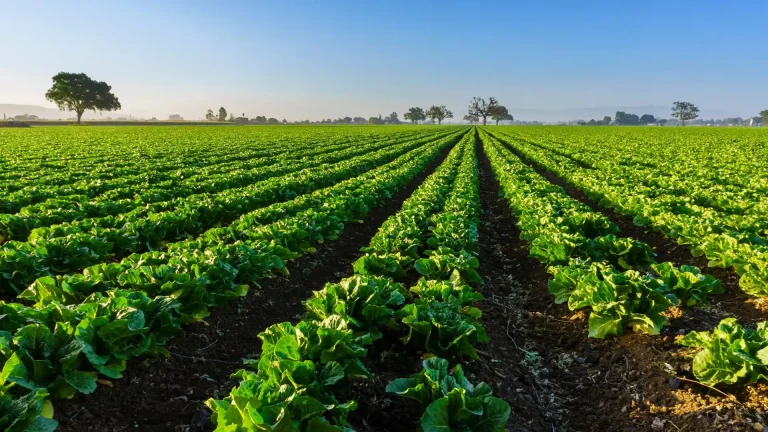
To import or export industrial hemp seeds, entities must obtain a licence from the Ministry of Climate Change and Environment, along with permits from relevant local authorities. Applicants must be licensed agricultural companies, and the seeds must belong to approved industrial hemp varieties listed in the executive regulations. Imported seeds may only be cultivated in designated areas approved by local authorities and within licensed plots.
Licensed growers are required to operate strictly within approved cultivation zones, adhere to production limits, and conduct regular testing throughout the growing cycle to ensure tetrahydrocannabinol (THC) levels remain below 0.3 per cent. Any breach of this threshold must be immediately reported to the Ministry of Climate Change and Environment, local authorities, and the National Anti-Narcotics Authority.
Local authorities are responsible for designating secure cultivation zones, which must be fenced, monitored, and isolated from residential and other agricultural areas. Workers in these zones must obtain security clearance, and all sites must comply with security standards set by the National Anti-Narcotics Authority. Cultivation in natural reserves or protected areas is strictly forbidden.
The law also regulates how seeds and seedlings are disposed of, allowing this only through approved contracts and prohibiting transfers to unlicensed parties. Transporting seeds or seedlings requires prior approval from local authorities, and cross-emirate transport must be authorised by each emirate involved.
Manufacturing industrial hemp products is only permitted with a licence from the relevant local authority, following approval from the Ministry of Industry and Advanced Technology. Manufacturers must meet strict conditions, including securing all permits, limiting production to approved products and uses, implementing quality management systems, and maintaining electronic records linked to the national tracking system. Facilities must also have separate zones for raw materials, manufacturing, storage, waste handling, and shipping.
Licensed manufacturers must ensure THC levels do not exceed 0.3 per cent, follow approved production inputs and safety standards, avoid dealing with unlicensed entities, and conduct routine testing of raw materials and finished goods. Any violations must be reported to authorities immediately.
Importing or exporting hemp-based products also requires licensing and prior approval from the Ministry of Foreign Trade, along with security clearances from local authorities. All products containing hemp compounds must carry clear labels detailing licensing information, compound concentration, usage instructions, warnings, and potential risks.
The law further allows the use of industrial hemp for scientific research, subject to approval and strict oversight. Applicants must meet legal and ethical requirements, refrain from subcontracting licensed activities, and provide accurate information to authorities. Licensees must be at least 21 years old, of good conduct, legally competent, and free of serious criminal convictions, and must retain records of their activities for a minimum of five years.
To ensure full oversight, the law mandates the creation of a National Tracking System for industrial hemp seeds, seedlings, and products, as well as a unified electronic registry managed by the Ministry of Climate Change and Environment. Regulatory authorities and law enforcement agencies will have defined access to this data.
The Decree-Law outlines inspection powers for licensing bodies, the National Anti-Narcotics Authority, and local police to ensure compliance. It also specifies administrative and criminal penalties, including prison sentences of at least three months and fines starting from Dh100,000, for serious violations such as operating without a licence, unauthorised transfer of hemp materials, exceeding cultivation limits, or using hemp for prohibited purposes. Additional penalties apply for failing to conduct required testing, breaching transport rules, or obstructing investigations.