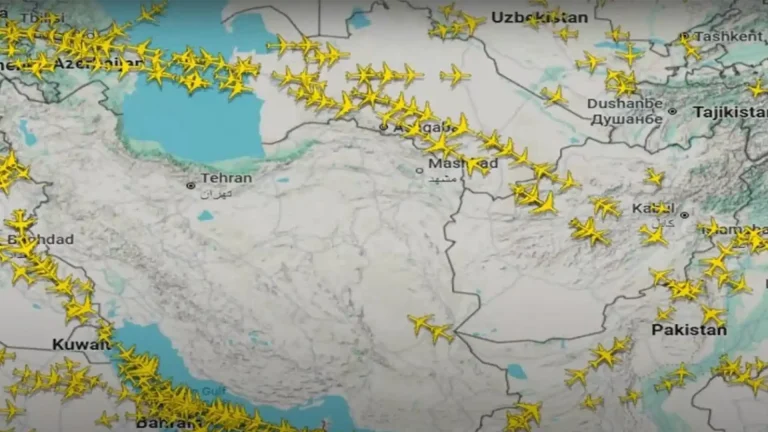
Rainfall affected parts of the UAE, but emergency calls were fewer this time as motorists exercised caution, avoided flooded roads, and followed safety lessons learned from the severe April 2024 floods.
Showers strike UAE: Reduced emergency calls as drivers apply lessons after April 2024 flooding
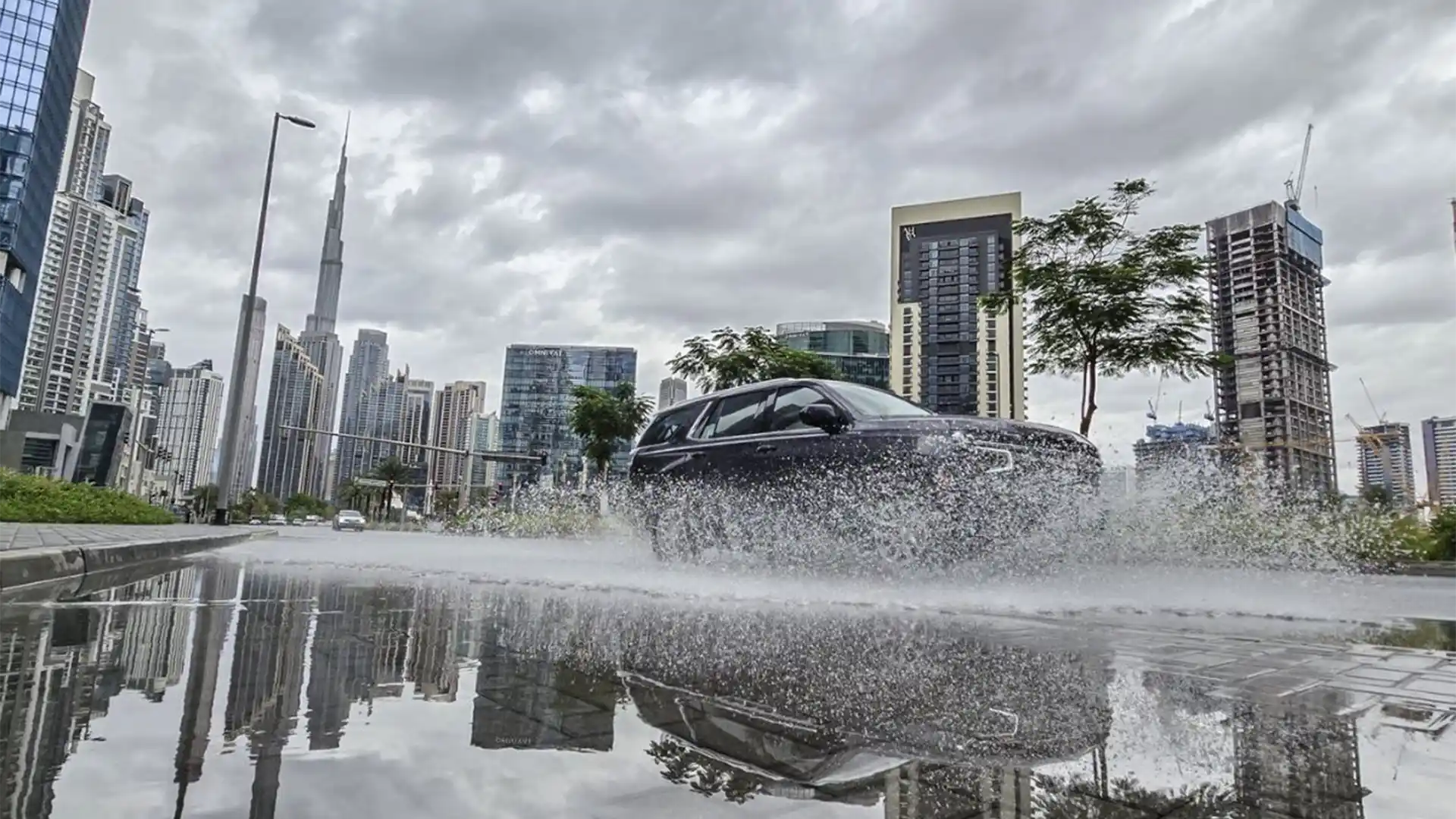
As rainfall moved through parts of the UAE, vehicle recovery operators reported a noticeable shift in how drivers are responding compared with earlier severe weather episodes. This time around, the situation has been far calmer, with a significant drop in emergency assistance requests.
Multiple recovery drivers told insider18 that although they are fully prepared and on alert, call volumes have declined considerably. This, they said, indicates that motorists are acting more cautiously after seeing the widespread vehicle damage caused by flooding last year.
Veteran recovery worker Ishaq Ahmed pointed out the clear difference between the two periods of bad weather.
“During the previous floods, our phones never stopped ringing,” he said. “We were attending recovery calls around the clock. For nearly 10 days after the rain, our schedule was completely full because so many vehicles had failed after being driven through floodwaters.”
In contrast, conditions now are much quieter. “At the moment, we’re largely waiting,” Ishaq said. “Drivers appear more aware. They are staying away from deep water and avoiding unnecessary chances.”
Drivers responding more sensibly
Another recovery operator, Sikander Khan, also noted that motorists are showing greater patience, especially when vehicles stall due to waterlogged roads.
“We do still come across some cars affected by water,” he explained. “But many drivers are no longer trying to restart them immediately. They wait for the water to subside first, and only call us if the car still won’t start.”
He said this more measured response is helping limit additional mechanical damage — a lesson many motorists learned during the earlier floods.
Recovery operators also believe public awareness campaigns and widespread media coverage after last year’s floods have played an important role in changing driver behaviour. Repeated advisories warning against driving through flooded roads, combined with viral images of stranded vehicles and costly repairs, appear to have left a lasting impression. Many motorists now recognise that attempting to cross waterlogged streets can cause irreversible engine damage and void insurance claims. As a result, drivers are choosing to delay trips, reroute journeys, or park vehicles on higher ground. Recovery teams say this collective caution has eased pressure on emergency services and allowed operators to focus on genuine breakdowns rather than preventable incidents caused by risky driving decisions.
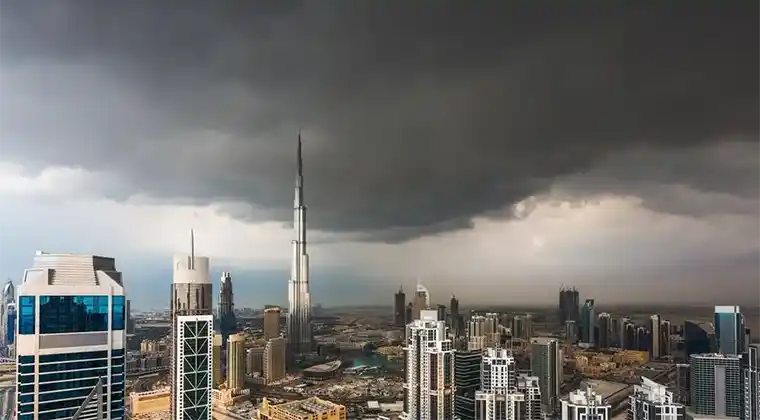
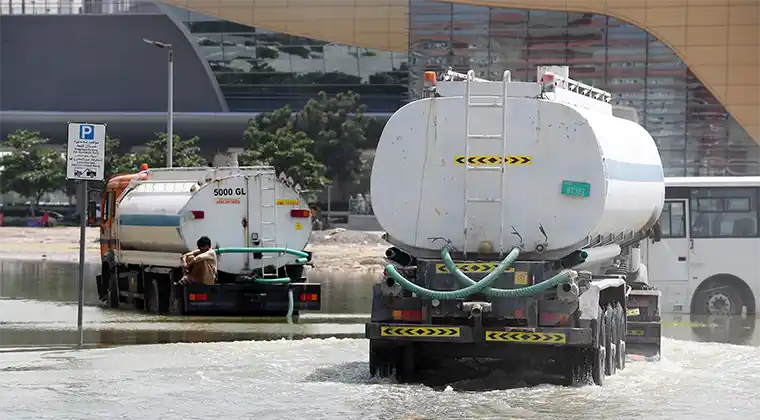
In addition, improved coordination between authorities and service providers has helped streamline responses during adverse weather. Traffic alerts, weather warnings, and real-time updates shared through official channels and social media platforms have enabled residents to plan ahead. Some drivers reported receiving alerts early enough to postpone non-essential travel or work remotely. Recovery operators noted that fewer motorists are being caught off guard, particularly during overnight rainfall. This preparedness has reduced panic-driven decisions, such as attempting to restart submerged vehicles. Operators added that calmer conditions also improve safety for recovery crews, who previously had to work long hours in hazardous environments during peak flooding periods.
Despite the reduced number of distress calls, recovery teams remain cautious and prepared for sudden changes. Weather patterns can shift quickly, and even brief periods of heavy rain can overwhelm drainage systems in certain areas. Operators continue to patrol known flood-prone zones and advise drivers to remain vigilant. They stress that while lessons appear to have been learned, complacency could still lead to avoidable damage. Recovery workers urge motorists to keep emergency numbers handy, monitor official advisories, and prioritise safety over speed. For now, they say, the quieter phones signal progress — proof that experience has encouraged smarter choices on UAE roads.