The statement means that due to heavy rainfall and unstable weather conditions, authorities in Oman decided to shift certain schools to distance learning to ensure student safety.
Intense rains, volatile weather: Oman declares remote learning for selected schools
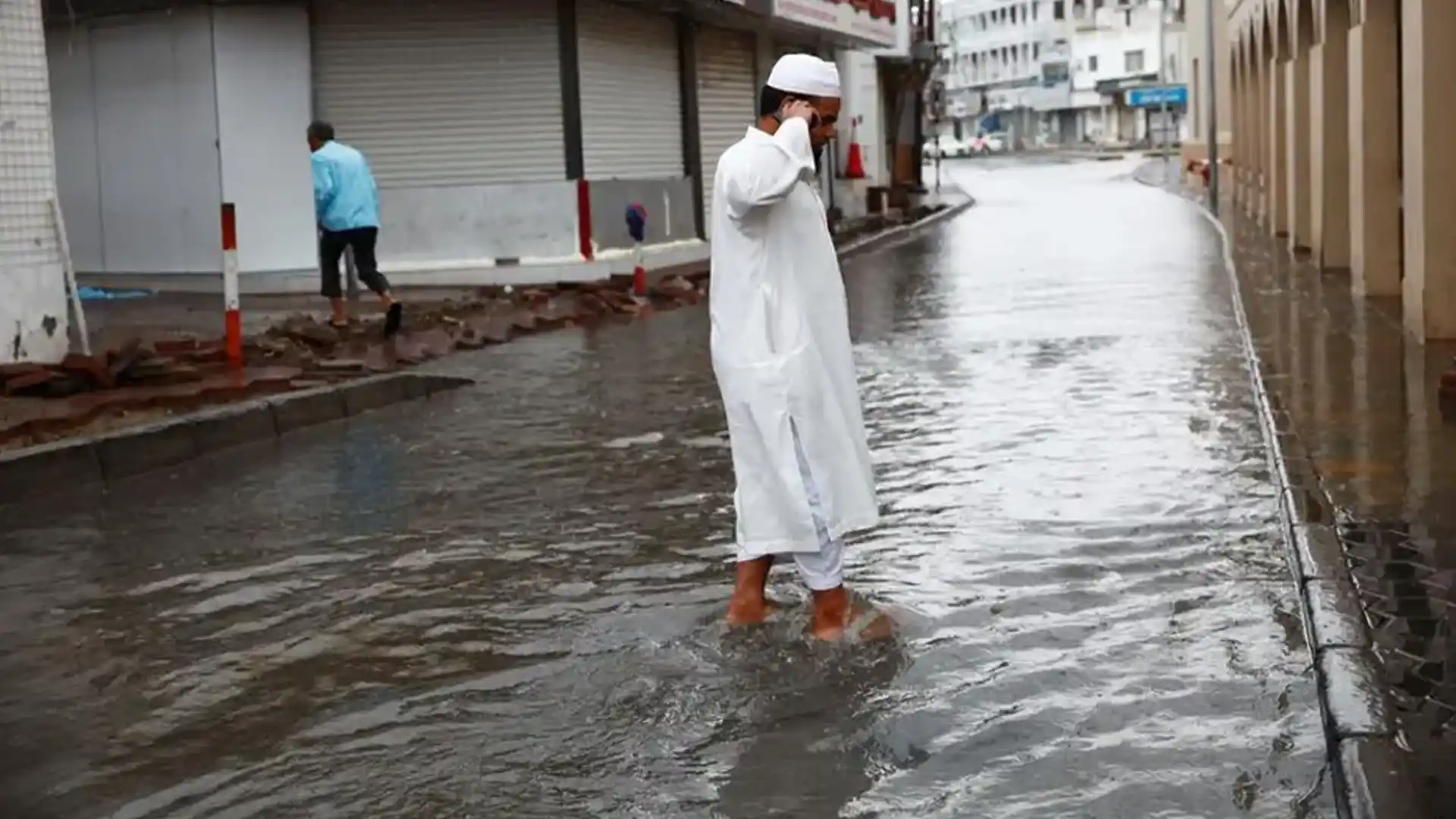
Several schools in Oman will switch to distance learning tomorrow — Tuesday, December 16, 2025 — because of unstable weather conditions affecting the country.
It was announced on Monday that public, private, and international schools in the Musandam governorate will operate remotely as heavy rainfall continues in the area, following a directive from Oman’s Ministry of Education and Teaching. Regional countries are currently experiencing a low-pressure system, resulting in unsettled weather. Heavy rain is also forecast in the UAE on Tuesday, according to the National Centre of Meteorology (NCM).
Earlier, officials issued public advisories urging caution as winds strengthened and rainfall increased across the UAE. The unsettled weather is expected to persist throughout the week, with the heaviest rainfall recorded last Sunday and anticipated again tomorrow.
Following the 2024 floods, companies nationwide have implemented stronger remote working policies, placing greater emphasis on protecting residents’ safety during severe weather conditions.
Education authorities in Oman said the decision to move to distance learning was taken to minimize risks to students, teachers, and school staff during adverse weather conditions. School administrations have been instructed to ensure continuity of learning through online platforms and digital classrooms. Parents were advised to monitor official announcements for further updates, as weather conditions may change rapidly. The Ministry emphasized that student safety remains the top priority, especially in regions prone to flooding or difficult road access. Schools are expected to resume normal operations once conditions improve and authorities confirm it is safe to do so.
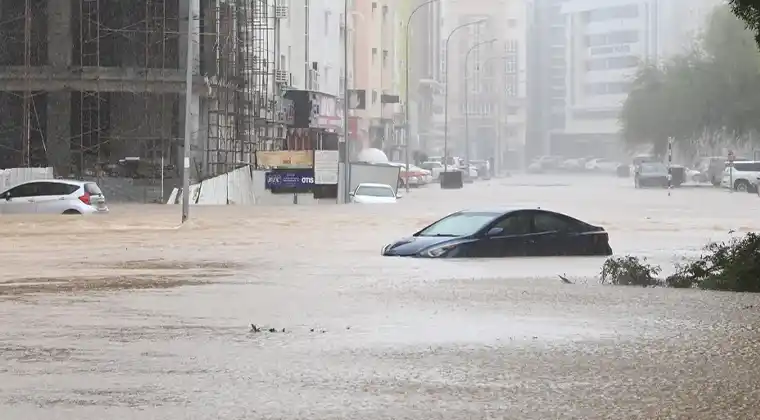

Meteorological experts explained that the low-pressure system affecting the region can bring sudden downpours, strong winds, and reduced visibility. Such conditions increase the risk of flash floods, especially in mountainous and coastal areas like Musandam. Authorities across the region are closely monitoring weather developments and coordinating response measures. Emergency teams have been placed on standby to address any incidents arising from the unstable conditions. Residents have been urged to avoid unnecessary travel, follow safety advisories, and stay informed through official weather updates until the system weakens.
In the UAE, similar precautions have been taken as authorities prepare for heavy rainfall and gusty winds. Government agencies have issued alerts warning motorists about slippery roads and reduced visibility. Residents were advised to secure outdoor items and remain cautious near flood-prone areas. Schools and workplaces are also reviewing contingency plans, including flexible attendance and remote work options if conditions worsen. The National Centre of Meteorology continues to provide regular updates, helping residents and institutions make informed decisions during the period of unsettled weather.
The recent weather disruptions highlight a broader shift across the region toward flexible learning and working arrangements. Following severe flooding in 2024, both public and private sectors have strengthened emergency preparedness and digital infrastructure. Remote learning tools and work-from-home policies now play a critical role in maintaining continuity during extreme weather events. Authorities say these measures not only ensure safety but also reduce pressure on transport systems during emergencies. As climate-related challenges become more frequent, adaptive strategies are increasingly seen as essential for resilience.