Gold prices edged closer to a historic peak as 24-karat gold climbed to Dh524.50, supported by a softer US dollar that boosted investor demand for the precious metal.
Gold Prices Approach All-Time High as 24K Reaches Dh524.50 on Weaker US Dollar.
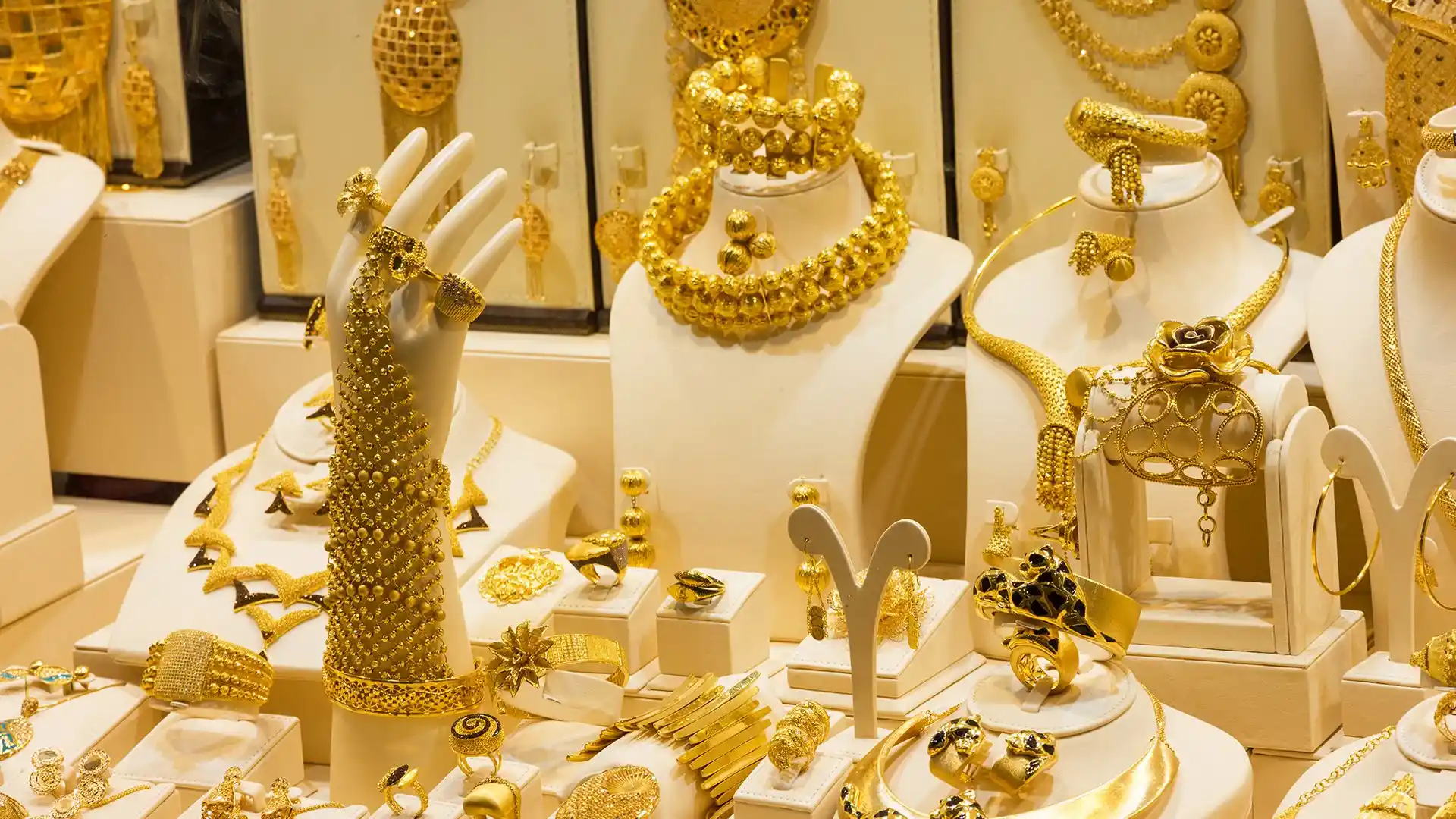
Gold maintained its upward momentum on Thursday, continuing a rally that has kept prices hovering just below their historic peak recorded earlier this year. As trading began for the day, bullion prices showed notable strength, reflecting sustained demand and favorable global market conditions. In local markets, the price of 24-karat gold opened at Dh524.50, marking a clear increase compared to Wednesday morning’s level of Dh521.75. This rise has reinforced optimism among traders and investors who have been closely tracking gold’s steady climb in recent weeks.
The precious metal is now trading within striking distance of its highest-ever price, which was registered on October 21. On that day, gold surged to an unprecedented Dh525.25 before undergoing a sharp correction. Following that brief decline, prices stabilized and gradually regained lost ground, supported by renewed investor interest and ongoing uncertainty in global financial markets. The current price levels suggest that gold is once again testing its upper limits, with market participants watching closely to see whether it will surpass its previous record.
Other gold variants also reflected the broader upward trend. The price of 22-karat gold was recorded at Dh485.75, while 21-karat gold stood at Dh465.75. Meanwhile, 18-karat gold was priced at Dh399.25, and 14-karat gold was valued at Dh311.50. These rates indicate consistent gains across different purity levels, making gold more expensive for both investors and consumers seeking jewellery or long-term value preservation.
On the international front, spot gold prices were trading at $4,333.72 as of 11am, highlighting the global nature of the rally. The strength in gold has been partly attributed to movements in major currencies, particularly the US dollar, which has shown signs of softening. A weaker dollar typically enhances gold’s appeal, as the metal becomes more affordable for investors holding other currencies. This dynamic has helped support prices and keep gold firmly in focus as a preferred safe-haven asset.
Silver prices also showed strength, trading at $66.5 during the same period. While silver often follows gold’s broader price direction, it has its own set of supply-and-demand drivers, including industrial usage. Nevertheless, the rise in silver prices further reflects growing interest in precious metals amid global economic uncertainty.
Market analysts note that gold’s continued strength is being driven by a combination of factors, including geopolitical tensions, concerns about inflation, and expectations surrounding monetary policy decisions by major central banks. With interest rates potentially facing downward pressure in the coming months, non-yielding assets such as gold have become increasingly attractive to investors looking to hedge against volatility and protect their wealth.
In the UAE, where gold plays a significant cultural and investment role, rising prices are closely watched by shoppers and traders alike. While higher rates may slow jewellery purchases in the short term, they often encourage long-term investors to hold onto their assets in anticipation of further gains. Many buyers are adopting a cautious approach, waiting to see whether prices will break past the previous record or retreat slightly before making new purchases.
As gold continues to trade near historic highs, attention remains firmly on global economic signals and currency movements that could influence its next move. Whether the metal will set a new record in the coming days remains uncertain, but its current performance underscores its enduring appeal as a store of value in times of financial uncertainty.
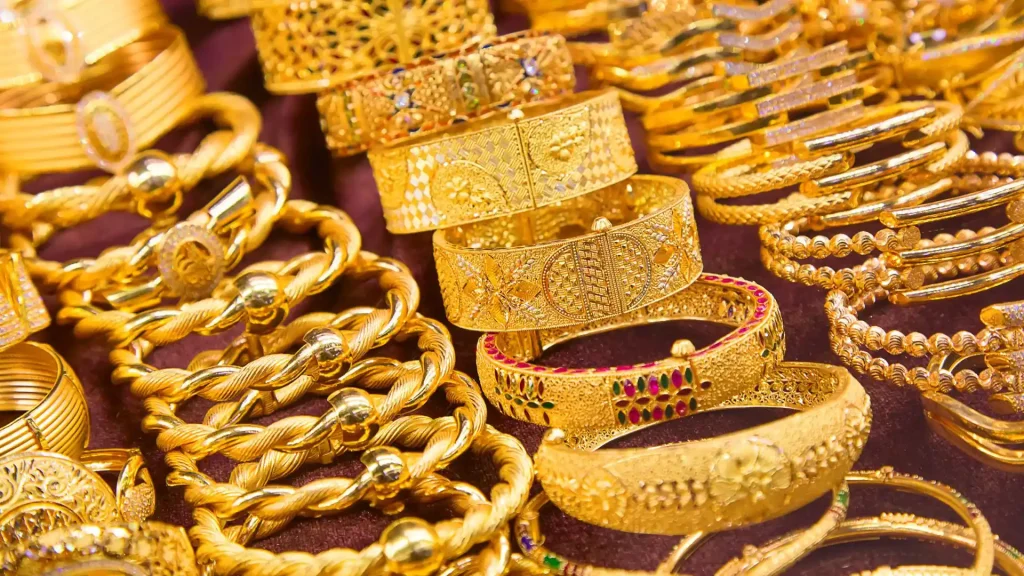
Hani Abuagla, Senior Market Analyst at XTB MENA, has pointed out that gold’s recent performance has been supported by a combination of favorable macroeconomic and geopolitical factors. According to him, the precious metal has gained strength in recent trading sessions as the US dollar weakened and yields on US Treasury bonds declined, creating a more supportive environment for non-yielding assets such as gold. When bond yields fall, the opportunity cost of holding gold decreases, making it more appealing to investors seeking stability and long-term value.
Abuagla also highlighted that beyond short-term monetary trends, broader institutional and political concerns are beginning to influence investor behavior. Questions surrounding the independence of the US Federal Reserve, along with the possibility of political pressure shaping future monetary policy decisions, have increased uncertainty in financial markets. Such concerns, he explained, often drive investors toward traditional safe-haven assets, with gold remaining one of the most trusted options during periods of policy-related ambiguity.
In addition to monetary and political factors, Abuagla noted that rising geopolitical tensions are playing a significant role in strengthening demand for gold. Ongoing conflicts and unresolved issues in regions such as Eastern Europe, the Middle East, and parts of Asia have contributed to heightened global risk sentiment. These developments have reinforced what analysts describe as a “risk premium,” prompting investors to seek assets that can preserve value during times of instability. Gold, with its long history as a hedge against uncertainty, has once again emerged as a preferred choice.
Market observers have increasingly described 2025 as a potentially pivotal year for gold, as current trends appear to be aligning in the metal’s favor. Shifting global power dynamics, persistent geopolitical risks, and evolving monetary policies are all combining to reshape investment strategies. Recent market movements have underscored gold’s continued relevance, demonstrating that despite advances in financial instruments and digital assets, the precious metal retains its role as a cornerstone of wealth protection.
Experts suggest that gold’s enduring appeal lies in its ability to perform across different economic cycles. Whether markets are facing inflationary pressures, currency volatility, or political uncertainty, gold has historically provided a measure of stability. The recent surge in interest serves as a reminder that, even in a rapidly changing global economy, gold continues to matter as a strategic asset for both institutional and retail investors.
As 2025 approaches, analysts believe that the convergence of economic uncertainty, geopolitical tensions, and policy-related questions could keep gold firmly in the spotlight. While short-term price fluctuations are inevitable, the broader outlook suggests that gold’s role as a safe haven and portfolio diversifier is likely to remain as important as ever.
Hani Abuagla, Senior Market Analyst at XTB MENA, emphasized that gold’s price trajectory is likely to remain closely linked to forthcoming macroeconomic indicators and the broader economic environment. He explained that the precious metal’s performance is particularly sensitive to data releases that influence expectations around monetary policy, inflation, and overall economic growth. In his view, if upcoming economic reports indicate a slowdown or weaker-than-expected growth, it could strengthen market assumptions that the US Federal Reserve may adopt a more accommodative stance. Such a scenario would likely keep Treasury yields and the US dollar relatively subdued, conditions that historically provide support to non-yielding assets like gold. Under these circumstances, investors may view bullion as an attractive hedge, helping to sustain its upward momentum and bolstering its appeal as a defensive investment during periods of uncertainty.
On the other hand, Abuagla noted that positive surprises in economic activity or inflation metrics could produce the opposite effect. If economic data points to stronger-than-anticipated growth or higher inflationary pressures, markets might begin to anticipate a more restrictive monetary policy. Such expectations could create headwinds for gold, as higher interest rates and a stronger dollar generally reduce demand for non-yielding assets. In this scenario, gold’s recent rally could face profit-taking, with investors capitalizing on price gains before potentially adjusting their portfolios in response to the new macroeconomic outlook. This dynamic illustrates how quickly gold prices can respond to shifts in economic sentiment and policy expectations, reflecting its sensitivity to both domestic and global financial developments.
Abuagla also highlighted that broader structural factors are playing a significant role in shaping gold’s market dynamics. A softer global growth environment, characterized by slower expansion across key economies, tends to elevate risk aversion among investors. This, combined with continued accumulation of gold by central banks around the world, provides an additional layer of support for the metal. Central bank purchases are often motivated by a desire to diversify reserves and reduce reliance on traditional fiat currencies, which in turn reinforces gold’s status as a strategic asset for long-term preservation of value. Moreover, unresolved geopolitical frictions and ongoing international uncertainties continue to encourage investors to seek refuge in safe-haven instruments, further underpinning demand for gold.
Taken together, these factors suggest that gold is positioned not only as a speculative or trading asset but as a crucial component of global financial portfolios designed to mitigate risk. Abuagla stressed that in a complex economic landscape, where central bank actions, inflation trends, and geopolitical tensions intersect, gold’s role as a reliable store of value remains highly relevant. Investors closely monitoring these variables can expect bullion to remain responsive to both immediate data releases and longer-term structural developments, maintaining its prominence as a strategic hedge amid uncertainty.
In conclusion, Abuagla’s insights point to a nuanced view of gold markets, where near-term macroeconomic releases could either bolster or challenge the metal’s recent gains, while longer-term global trends continue to reinforce its strategic importance. As such, gold remains a central asset for those seeking protection against market volatility and economic unpredictability.