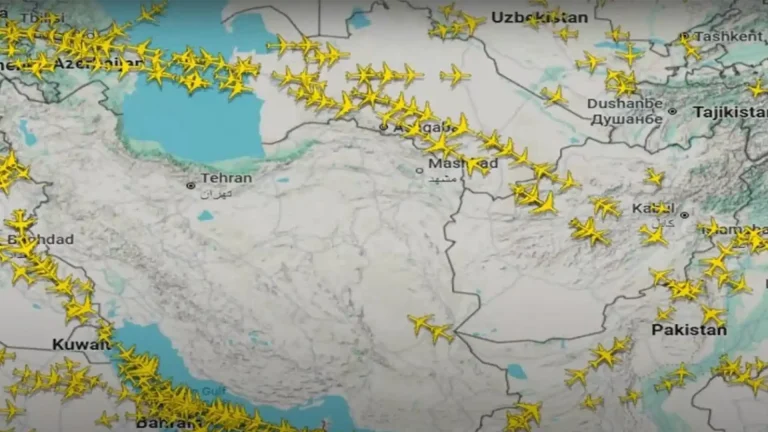
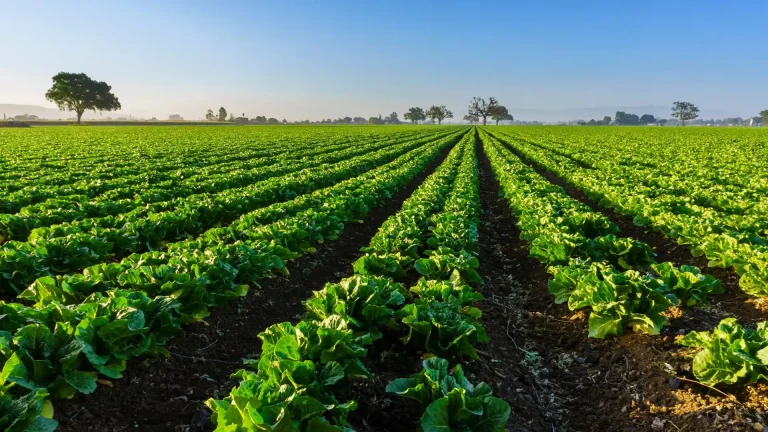
Villagers across the UAE are warning residents and motorists to stay vigilant, avoid crossing swollen wadis, and follow safety advice as authorities issue alerts for heavy rainfall and flash flooding.
UAE villagers urge caution as flood-prone wadis swell amid heavy rain alert.
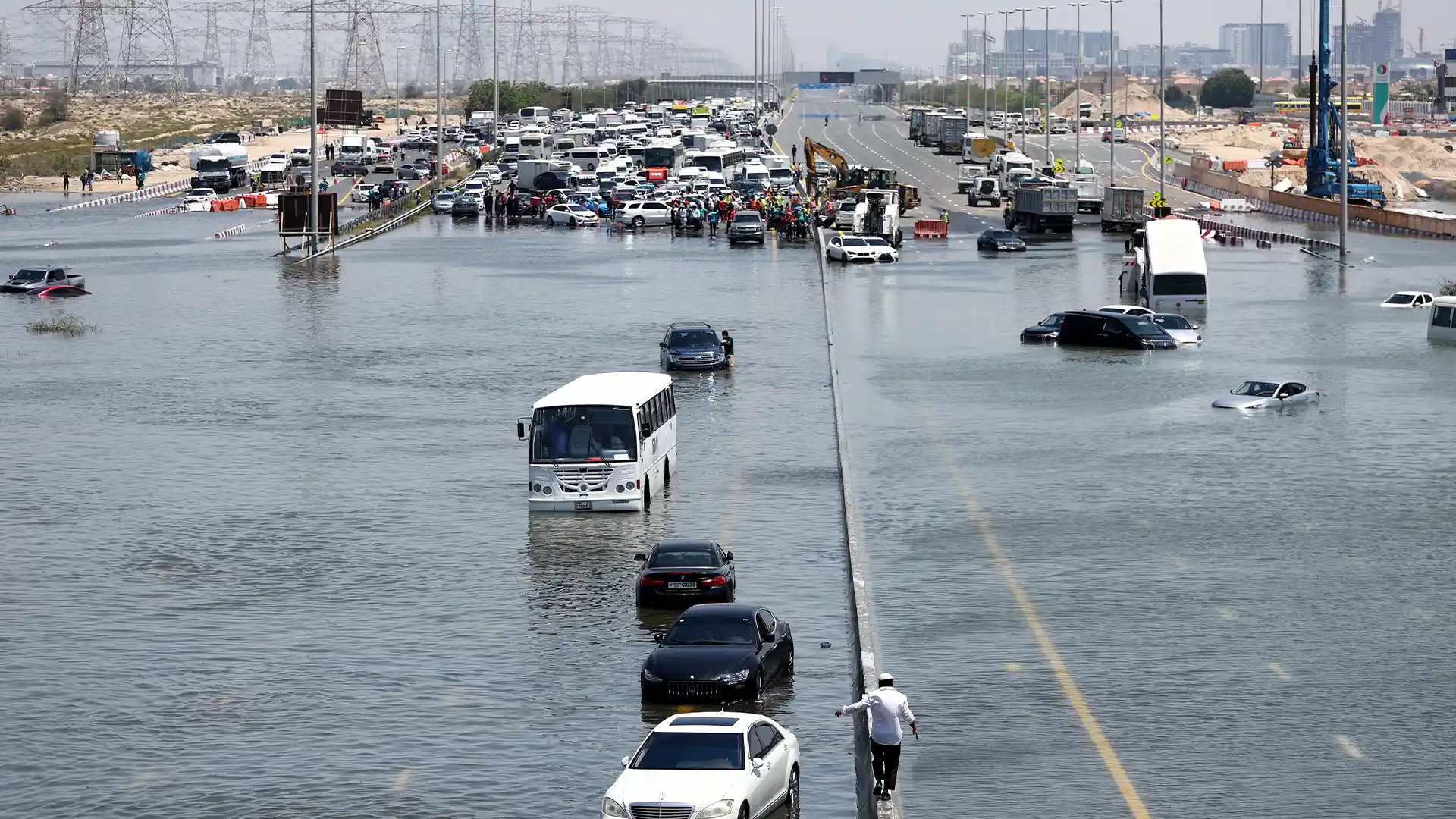
People living in the UAE’s wadi settlements are deeply familiar with the risks that accompany rainfall in these rugged landscapes. What may appear as quiet, dry channels for much of the year can change dramatically in a short span of time. Sudden downpours upstream often send powerful streams rushing through the valleys, carrying debris, uprooted trees, and sometimes vehicles in their path. These flash floods leave little time for reaction, making awareness and preparedness essential for survival.
Over generations, wadi communities have developed a strong sense of caution and mutual responsibility. Residents rely on close communication with neighbours, careful observation of weather patterns, and respect for the natural behaviour of the land. Elders pass down knowledge about flood-prone areas, safe routes, and warning signs that indicate rising danger. This collective vigilance has become a crucial part of daily life, especially during the rainy season.
This week, as unsettled weather systems bring fresh rainfall across parts of the Emirates, these communities are once again exercising heightened caution. Weather forecasts and official alerts are closely monitored, while families remain ready to move livestock, protect property, or avoid travel when conditions worsen. For many, the sound of rain brings mixed emotions. It is welcomed for the nourishment it provides to farms, replenishing groundwater and supporting crops in an otherwise arid environment. At the same time, it carries the threat of sudden flooding that can disrupt lives and cause significant damage.
Despite these challenges, residents continue to adapt, balancing the benefits of rain with its dangers. Their resilience is rooted in experience, cooperation, and a deep understanding of their surroundings. Living in harmony with nature means acknowledging its power, staying prepared, and respecting the unpredictable forces that shape life in the wadis.
Omar Ahmed Al Shehhi, a resident of Wadi Ghalila in Ras Al Khaimah, explains that rainfall is both anticipated and carefully managed by the local community. While the showers are welcomed for the life they bring to the land, they also trigger an immediate response aimed at reducing potential risks and making the most of the water. As soon as rain is expected, residents turn their attention to clearing long-standing irrigation pathways that guide runoff from the wadi into agricultural plots. These age-old channels are designed to distribute water fairly, allowing each farm to benefit in sequence as excess flows naturally onward to neighbouring fields.
Beyond physical preparations, cooperation among residents plays a vital role in ensuring safety. Al Shehhi highlights that people in the area actively watch out for one another, especially when unfamiliar visitors arrive. Locals often approach those camping, parking, or resting near the wadi to advise them of possible danger, particularly if weather conditions upstream could cause water levels to rise without warning. They also caution motorists against attempting to cross water channels during or after rainfall.
This shared sense of responsibility is built on experience and intimate knowledge of the landscape. Long-time residents understand how quickly a dry valley can become hazardous, something newcomers may not fully appreciate. By communicating early and clearly, the community helps prevent accidents, protect lives, and ensure that both residents and visitors remain safe when the weather turns unpredictable.
When water begins to surge through the wadis, daily life in these communities slows to a standstill. Movement in and out of the area is deliberately limited, with residents choosing to stay put until conditions become safe again. Al Shehhi explains that travel is postponed during these periods, even if it causes inconvenience. Those who are away from their homes wait patiently on the outskirts, understanding that attempting to cross flowing water can be far more dangerous than delaying a journey. Safety, he says, always takes priority over routine.
Yet even with careful planning and years of experience, sudden changes in weather can still result in hardship. Heavy downpours sometimes arrive with little warning, leaving families scrambling to protect what they can. Livestock, in particular, are vulnerable. Al Shehhi notes that there have been instances where sheep and other animals were lost because rising water caught owners off guard. In such moments, residents rush to relocate their animals to higher, safer ground, but the speed and force of the floods can make this difficult.
He also points out that not all incidents involve visitors or outsiders. At times, even people who are familiar with the area choose to ignore safety advice, taking chances despite knowing the risks involved. This behaviour, he says, is deeply concerning, as experience alone does not guarantee protection against the power of nature.
Similar concerns are shared by Musabbeh Saif, a resident of Shawka, a region crisscrossed by multiple wadis that pass close to homes and major roads. Saif explains that locals generally understand when to stop, wait, and change plans. The greater danger, he believes, comes from those arriving from elsewhere. Unfamiliar with how quickly water levels can rise, some drivers assume their vehicles can handle the crossing. This false confidence has led to many near-misses and dangerous situations.
Both men stress that awareness and patience are essential during periods of heavy rain. Respecting the natural force of flowing wadis, they say, is the only way to prevent avoidable accidents and losses.
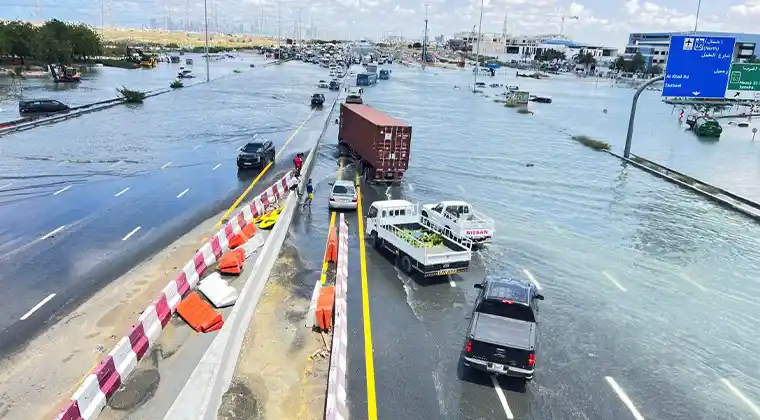
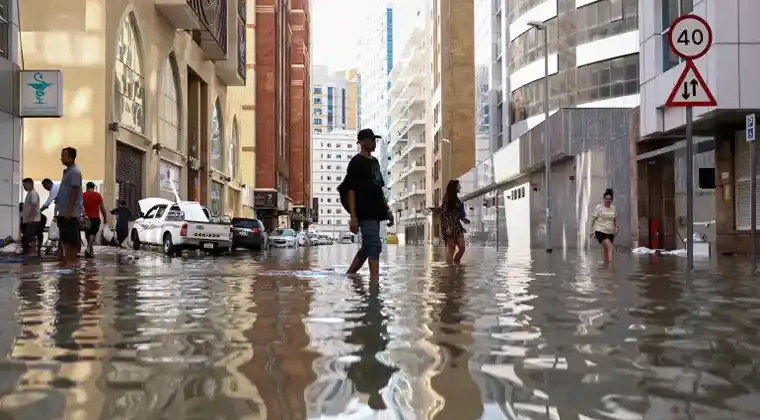
Although newer residential developments are now located farther away from the main wadi channels, the danger has not disappeared, particularly for agricultural land. According to residents, farms that lie along the natural paths of wadis remain exposed to damage during periods of heavy flow. When water levels rise and currents intensify, floodwaters can break down boundary walls, wash away soil, and ruin crops. In contrast, wadis that run closer to residential areas tend to be narrower, reducing their overall impact on homes.
Meanwhile, the National Centre of Meteorology has warned that unsettled weather conditions are expected to persist across the UAE throughout the week. Forecasts indicate the possibility of rain in several regions, along with a noticeable drop in temperatures, which could fall to around 10°C in inland areas and mountainous locations.
In response, authorities have once again reminded residents and visitors to remain alert, stay away from wadis and high-risk mountainous zones during rainfall, and refrain from attempting to cross waterlogged valleys, stressing that such actions can be extremely dangerous.