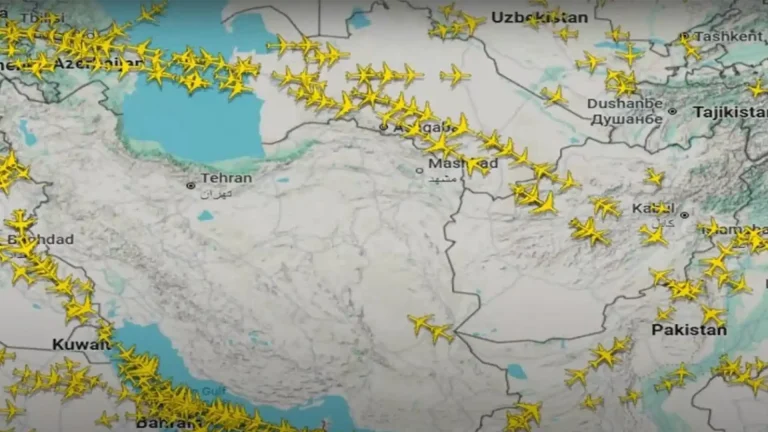
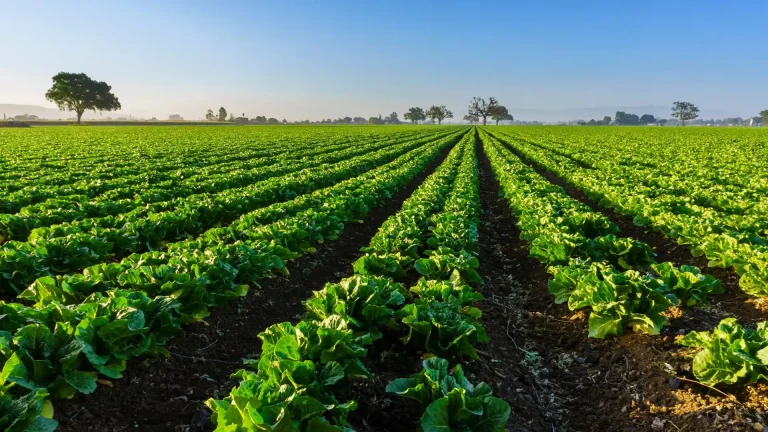
Residents in UAE villages have warned people not to cross flooded wadis, urging caution and preparedness as authorities forecast heavy rainfall, emphasizing safety and vigilance during potentially hazardous weather conditions.
UAE villagers caution against crossing submerged wadis as they stay vigilant amid warnings of heavy rainfall
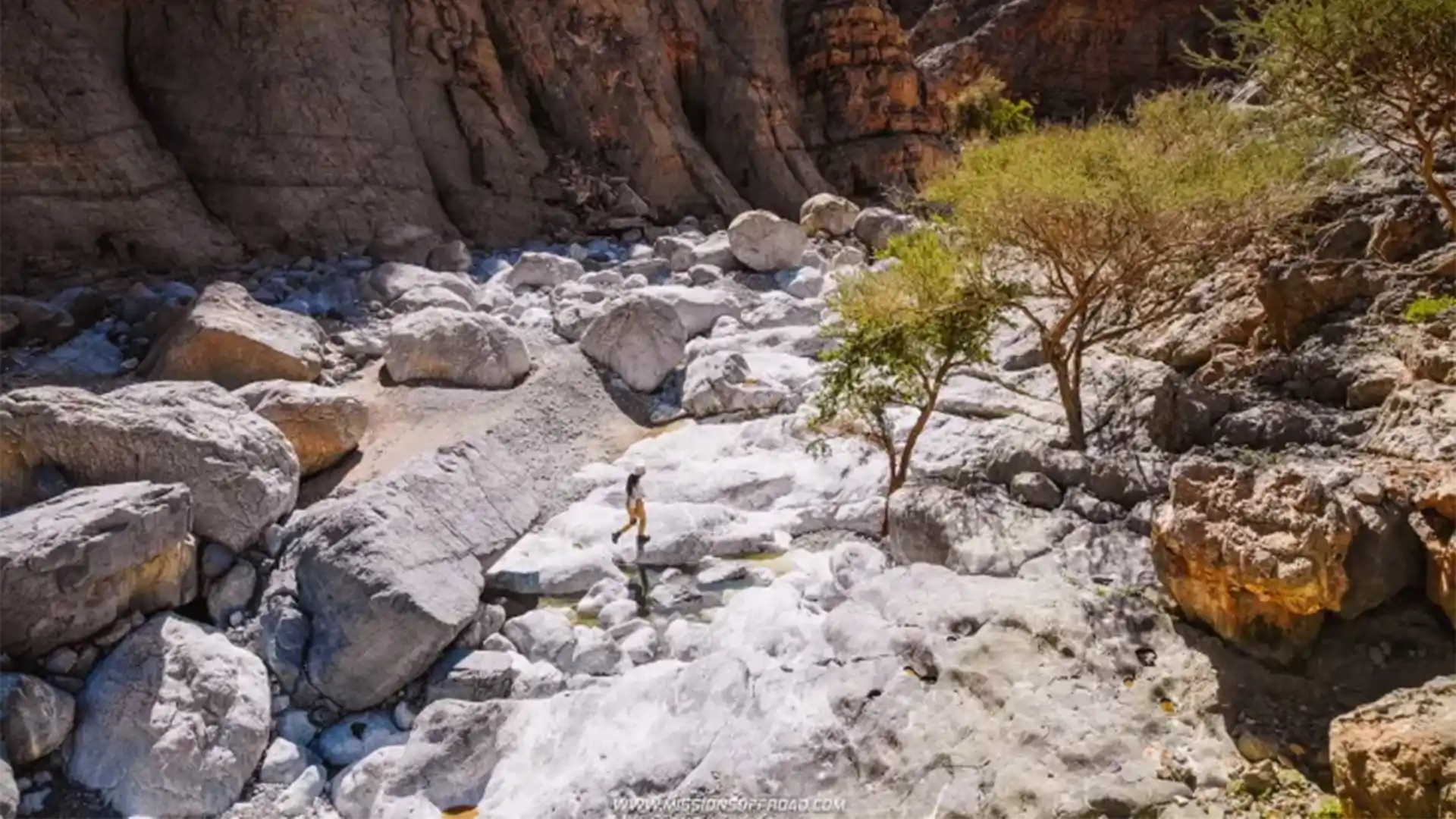
In the UAE, villagers living near wadis are acutely aware of rainfall dangers. Tranquil valleys can quickly turn into violent streams, uprooting trees and sweeping away vehicles. Yet, locals rely on vigilance, community support, and respect for nature to manage these hazards.
With unstable weather bringing fresh rainfall across the Emirates this week, residents in these flood-prone areas remain highly alert. Rain provides essential water for agriculture but also poses significant risks to life and property.
Omar Ahmed Al Shehhi, from Wadi Ghalila in Ras Al Khaimah, notes that while rain is welcomed, the community immediately begins preparations.
Residents of wadi communities have developed detailed routines to cope with sudden floods. They monitor weather alerts closely, keep emergency supplies ready, and educate younger generations about safe practices. Roads near wadis are often avoided during heavy rainfall, and families coordinate evacuation plans if water levels rise rapidly. Community members look out for one another, checking on neighbors and helping secure livestock, homes, and vehicles. Local authorities also maintain early warning systems, but the collective experience and preparedness of villagers remain critical. This combination of vigilance, cooperation, and awareness allows residents to reduce the risks associated with flash floods.
Farmers in these regions face a delicate balance between benefiting from rain for irrigation and safeguarding their properties from its destructive potential. Fields can quickly become waterlogged, and sudden surges may damage crops or infrastructure. Many households invest in sandbags, temporary barriers, and elevated storage to protect essential supplies. Children and the elderly are often relocated temporarily to safer areas during heavy downpours. Despite the constant threat, the community continues to value rainfall for sustaining agriculture and replenishing natural water sources, demonstrating resilience and adaptation while respecting the power of the natural environment.
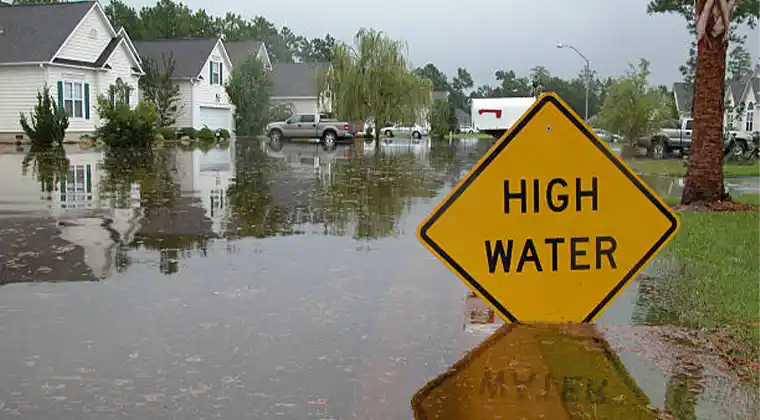
“We immediately start clearing the old irrigation channels that direct wadi water into our fields,” he explained. This age-old system allows water to fill one farm before overflowing into the next, ensuring that this vital resource is shared efficiently among the community.
A strong sense of community is a key safeguard. “Locals inform visitors if they are in unsafe areas or planning to cross a wadi,” Al Shehhi said. This knowledge is essential, as outsiders often underestimate the sudden, immense force of flash floods in these valleys.
When the wadis are in full flow, a temporary precautionary lockdown is enforced. “We refrain from traveling to other areas until the waters recede,” Al Shehhi noted. “Anyone outside the area who needs to return home waits until it is safe to make the journey.”
Despite their preparedness, the unpredictable nature of rainfall can still cause damage. “Some residents have lost sheep and livestock when they couldn’t act quickly enough. Occasionally, rain is heavier than expected, and animals must be urgently moved to safe ground,” he said.
Unfortunately, not everyone follows safety advice. “There are people from the local area who understand the risks but still take unnecessary chances,” he added.
Musabbeh Saif from Shawka, a region crisscrossed by wadis and intersecting roads, echoed this concern.
“We know the conditions here, but the issue is outsiders who do not understand the wadi’s power,” he said. “They attempt to drive through, believing their vehicles can handle it.”
Although modern homes have shifted away from major wadi paths, farms remain vulnerable. “The wadis can impact the limited farmland we still have along their course. Strong flows can destroy walls and crops,” he explained. “The smaller wadis near houses usually have less effect.”
The National Centre of Meteorology (NCM) has predicted continued unstable weather across the UAE this week, with rainfall expected in several regions and temperatures dropping to 10ºC in interior and mountainous areas.
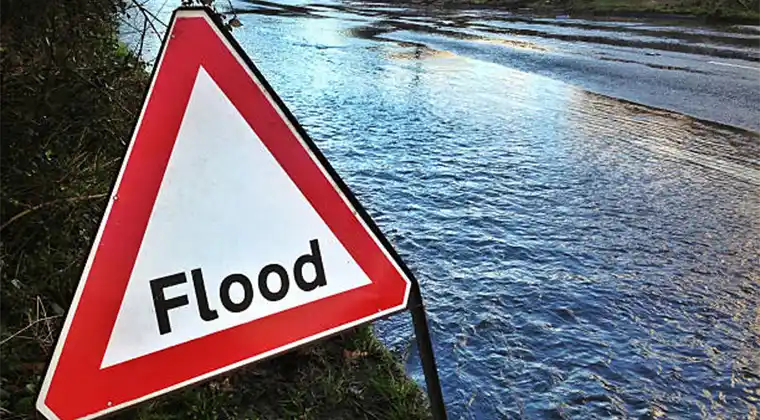
Authorities have consistently advised the public to exercise caution, avoid wadis and mountain zones during rain, and not attempt to cross flooded valleys under any circumstances.