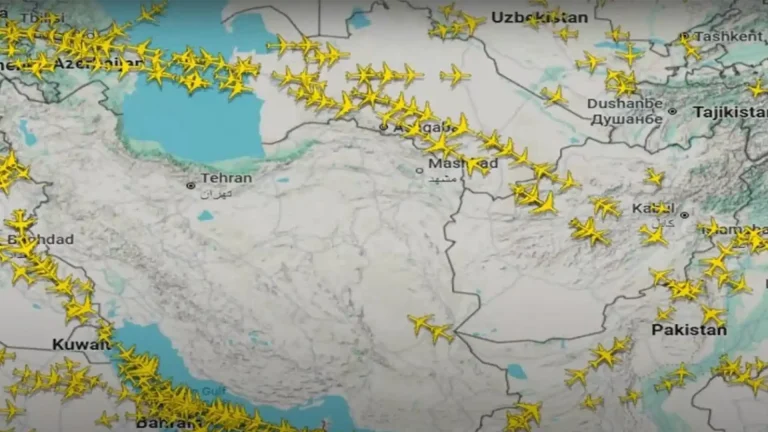
From the towering skyscrapers of Dubai to the rugged peaks of Hatta, the UAE’s diverse landscapes continue to captivate thrill-seekers, inspiring them to take on extreme challenges and push their limits in breathtaking surroundings.
Dubai’s Skyline and Hatta Mountains: What Draws Adventurers to UAE’s Extreme Landscapes.
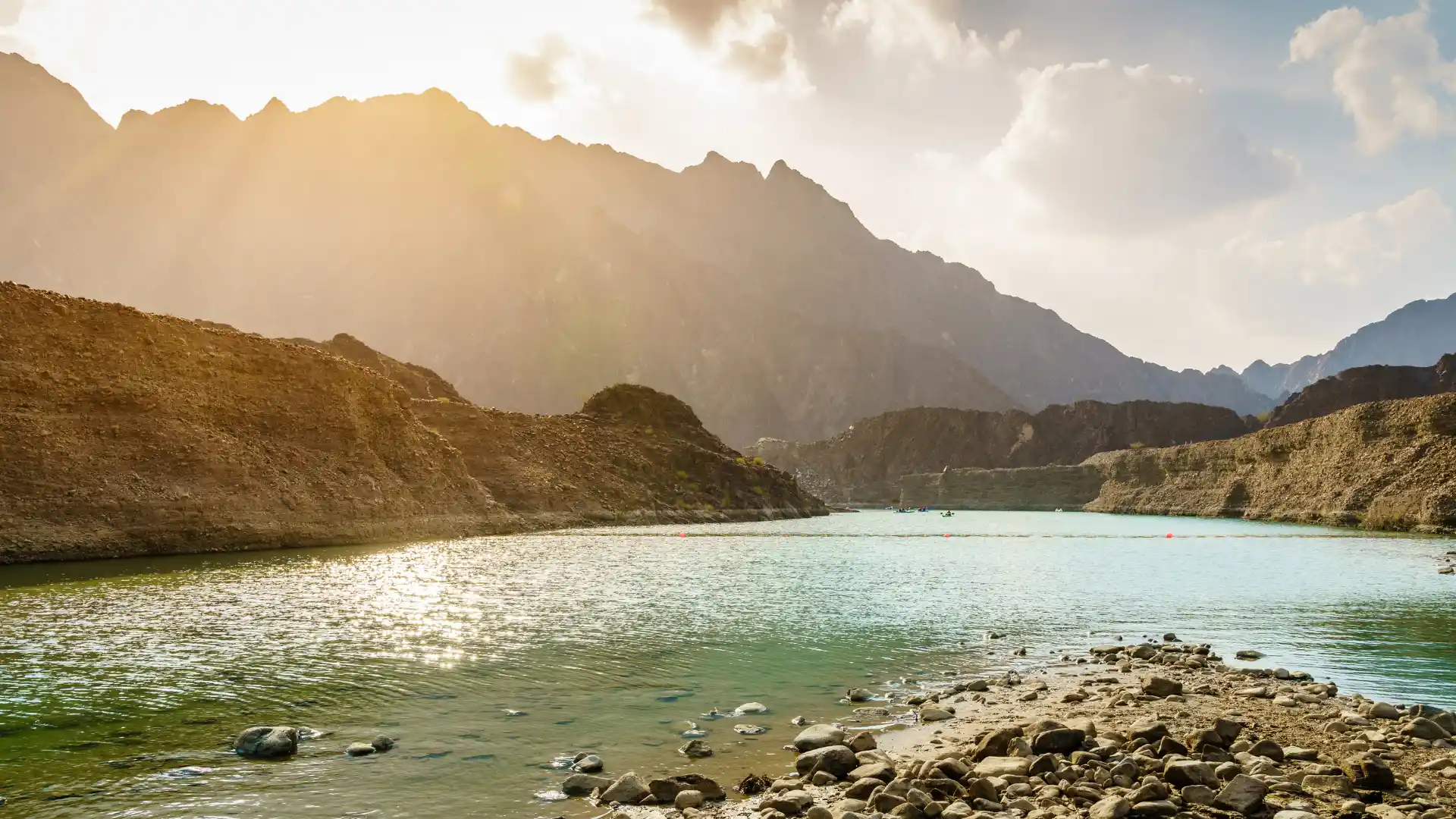
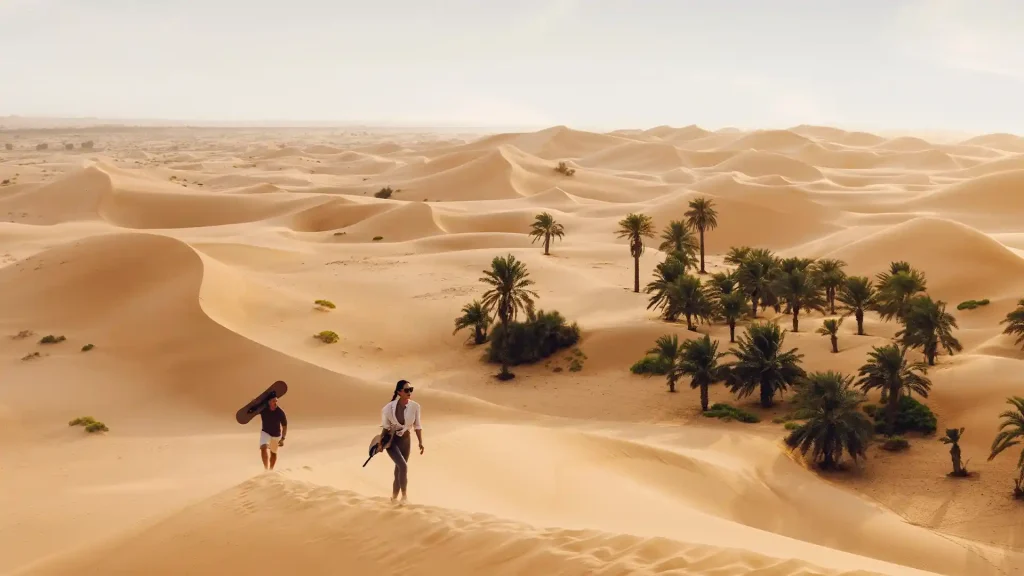
A new endurance series has recently begun production, spanning the dramatic and contrasting terrains of Dubai and Hatta, offering participants a firsthand experience of some of the most challenging environments in the UAE. The series places competitors in scenarios that test both physical stamina and mental resilience, from arduous mountain ascents to extended, sun-scorched stretches of open desert. Each episode is designed to push individuals far beyond their comfort zones, highlighting the unique combination of urban and natural landscapes that the UAE provides for extreme outdoor experiences.
The series is spearheaded by Ant Middleton, the former UK Special Forces operative and internationally recognized television personality, widely known for shows such as SAS: Who Dares Wins, which focus on rigorous training, endurance, and psychological fortitude. Middleton brings his extensive expertise in high-pressure situations and resilience training to the project, shaping challenges that are not only physically demanding but also strategically and mentally intensive. His approach emphasizes the importance of mental toughness alongside physical capability, encouraging participants to confront and overcome their limits.
During his time in the UAE working on this project, Middleton made a notable observation about local attitudes toward challenge and discomfort. He found that more and more people in the country are actively seeking experiences that push them out of their comfort zones. Instead of avoiding hardship, participants deliberately engage with physically taxing and mentally demanding situations, embracing struggle as a means of personal growth. This trend reflects a broader cultural shift, where the pursuit of extreme challenges—whether climbing rugged Hatta peaks or traversing harsh desert terrain—is increasingly seen as a way to build resilience, test one’s capabilities, and achieve a profound sense of accomplishment.
The production not only showcases the stunning variety of the UAE’s landscapes—from the sleek, modern skyline of Dubai to the rugged, natural beauty of Hatta’s mountains—but also captures the human element: the determination, grit, and mindset required to take on extreme challenges. Through the lens of this series, viewers witness how the UAE’s environments serve as both a playground and a proving ground for those willing to embrace discomfort and push the boundaries of what they thought possible.
In a nation widely recognised for its comfort, safety, and highly structured way of life, the decision by many residents to actively seek extreme challenges is particularly striking. The UAE is known for being one of the most orderly and secure countries in the world, where infrastructure functions efficiently, help is readily available when needed, and day-to-day life is generally predictable and manageable. Emergencies are rare, public services operate smoothly, and the pace of life often allows people to go about their routines with minimal stress.
Yet, despite these advantages, there is a growing trend among UAE residents to deliberately step outside this cocoon of convenience. Increasing numbers are choosing to confront physically demanding and mentally taxing experiences, intentionally placing themselves in situations that test endurance, resilience, and mental fortitude. From running across scorching desert landscapes to navigating rugged, rocky mountain trails, participants push themselves to limits that are far removed from the comfort of their everyday environment. Activities like these expose them to fatigue, heat, and uncertainty, requiring not just strength but also focus, determination, and the ability to manage discomfort.
This pursuit of challenge appears to reflect a desire to balance the predictability of modern life with experiences that provoke growth, resilience, and self-discovery. By willingly embracing situations that are exhausting and mentally stretching, people are seeking a deeper sense of accomplishment and a renewed connection with their physical and mental capacities. In a society where life is largely smooth and organised, the conscious choice to face difficulty and adversity becomes all the more remarkable, highlighting a cultural shift toward embracing challenge for personal development.
Why do environments designed for comfort and convenience drive people to actively seek difficulty and challenge? According to Ant Middleton, the former UK Special Forces operative, the answer lies in how humans respond when familiar support systems are removed and self-reliance becomes essential.
“Modern life is incredibly safe and structured,” Middleton explains. “Almost everything is taken care of for you. But when you strip that away and must depend entirely on yourself, it creates a sense of aliveness that is hard to replicate.” In these moments, individuals are confronted with their own capabilities and limitations, gaining a deeper understanding of their own resilience and self-worth.
Middleton emphasizes that exposing oneself to extreme conditions is not only a test of physical endurance—it is also a profound psychological challenge. People often begin these experiences with a fixed idea of their strengths and weaknesses. Yet under conditions of heat, fatigue, uncertainty, and pressure, those assumptions are challenged. Boundaries that once seemed rigid expand, and mental and physical limits are continuously redefined.
In essence, deliberately placing oneself in demanding and uncomfortable circumstances allows individuals to rediscover their own resourcefulness, courage, and adaptability. It is in these moments of vulnerability and self-reliance that many experience a heightened sense of vitality and a renewed appreciation for what they are truly capable of achieving.
One of Ant Middleton’s core philosophies revolves around honesty—especially the honesty people show when they are pushed to their limits. According to him, when individuals are physically exhausted, mentally pressured, or emotionally stretched, there is no room to mask their true selves. The fatigue and stress strip away pretense, revealing authentic reactions and behaviors that often remain hidden in daily life.
“When people are tired, scared, or facing extreme pressure, they cannot hide,” Middleton explained. “It’s like holding up a mirror. Some will turn away because they don’t like what they see, while others confront it, learn from it, and emerge stronger.” This philosophy has guided much of Middleton’s approach to training and challenges, both in his television work and during endurance events. By creating environments where participants must confront their limitations directly, he encourages self-reflection, resilience, and growth.
The landscapes of the UAE amplify this effect in a way few other places can. The country presents a unique combination of modern comfort and raw, untamed natural terrain. The stark contrast between highly controlled, predictable urban environments and rugged, challenging outdoor settings intensifies the emotional and physical experience of pushing personal limits. For someone accustomed to predictable daily routines, being placed in a demanding natural environment can evoke a sense of vulnerability, heightening awareness and self-discovery.
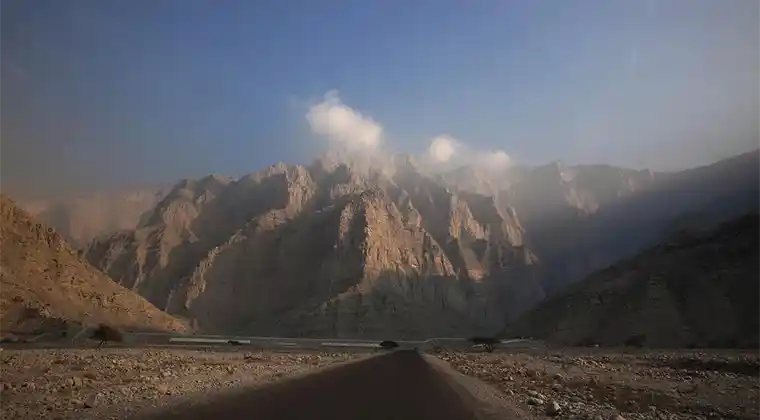
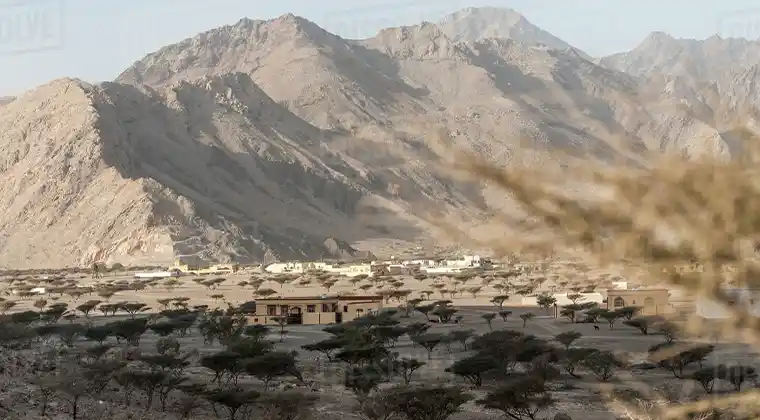
While filming in Hatta, Middleton encountered terrain that exceeded his expectations in terms of difficulty and technicality. The region’s highest natural peak, Umm Al Nesoor, rises to approximately 1,300 meters. Although modest by global mountain standards, this height presents a serious challenge, particularly in the UAE’s heat and humidity. The climb demands strength, endurance, careful planning, and mental focus. Middleton noted that many people assume the UAE is simply a landscape of towering skyscrapers, manicured cities, and flat desert stretches. The reality of Hatta’s rugged mountains challenges that perception. Some paths are steep, rocky, and physically demanding, requiring more than just stamina—they demand problem-solving and strategic thinking in the moment.
“The terrain in Hatta is real, raw, and technical,” Middleton said. “Combine that with the heat and humidity, and it exposes people quickly. There’s no way to hide or take shortcuts. You either rise to the challenge or struggle—and that’s exactly what makes it such an effective environment for personal growth.”
The juxtaposition of modern urban life and untamed natural landscapes gives the UAE a distinctive energy. Within a short period, a person can move from the air-conditioned comfort of Dubai’s city streets to a mountain trail where every step relies entirely on personal strength, endurance, and focus. That contrast—the ability to exist within extreme comfort and then step into demanding adversity—creates a unique context for testing one’s physical and mental capabilities.
Middleton emphasizes that his focus is not on identifying the strongest or fittest individuals. Physical prowess alone is insufficient when mental fortitude and self-awareness are equally important. The participants who excel are often those who can honestly assess themselves, acknowledge weaknesses, and face their fears without denial.
“Those who accept failure and understand their fears often perform better than those who are simply strong or fast,” Middleton explained. “The real limits we face are not imposed by the environment—they are the ones we create in our own minds. Confronting those self-imposed barriers is where true growth happens.”
This message resonates deeply within the UAE, a nation known for its ambition, high standards, and rapid pace of life, yet also for its predictability and structured routines. Residents live in a society where comfort, security, and efficiency dominate, where systems work smoothly, and where support is readily available. In this environment, people rarely face situations that test their self-reliance or force them to confront discomfort. Extreme challenges disrupt this pattern, providing opportunities to explore resilience, courage, and mental toughness in ways that daily life rarely demands.
The UAE’s combination of urban sophistication and natural ruggedness allows for a kind of experiential learning that is both immediate and intense. Participants are removed from the predictability of city life and placed in scenarios where their decisions, stamina, and mindset determine success. Every climb, desert trek, and exposed route becomes a mirror, reflecting not only physical abilities but also emotional resilience, adaptability, and self-awareness.
Middleton’s approach demonstrates that extreme challenges are not about winning a race or proving superiority—they are about understanding oneself at a deeper level. By stripping away the comforts and conveniences people typically rely on, he creates conditions that reveal true character. Those who embrace this process, confront their weaknesses, and navigate adversity with honesty, gain far more than physical endurance—they cultivate mental strength, self-confidence, and a clearer sense of what they are capable of achieving.
In the UAE, a country where daily life is often highly predictable, this philosophy is particularly compelling. Extreme challenges provide a counterbalance to routine, offering residents the chance to rediscover their limits, confront fears, and emerge with a stronger sense of self. Middleton’s work highlights that personal growth often comes not from comfort or ease, but from deliberately stepping into situations that challenge, stretch, and reveal the essence of who we are.
Choosing the Difficult Road
According to Ant Middleton, the motivation for many people who take on extreme challenges is not about coming first or outperforming others. Instead, it is about reaching a state of mental and physical presence where distractions fall away and the complexity of daily life fades into the background. In these moments, individuals are left solely with their own effort, breath, and instinct. It is an experience of pure focus, where each movement and decision matters, and the mind becomes fully attuned to the body and the environment.
Middleton emphasizes that this kind of growth—whether mental, emotional, or physical—cannot occur within the safety and predictability of comfort zones. Routine life, while secure and manageable, rarely presents the intensity or unpredictability needed to truly test limits. In contrast, deliberately stepping into difficult or unfamiliar conditions forces individuals to confront challenges they might otherwise avoid. This process exposes strengths, weaknesses, and hidden reserves of resilience, fostering self-awareness and personal development.
He explains that the beauty of such experiences is that they are deeply individual. The goal is not recognition or achievement in the traditional sense but the internal clarity and insight that emerge when someone pushes themselves beyond what they thought possible. By embracing effort and discomfort, participants learn to trust themselves, understand their capabilities, and grow in ways that are rarely accessible in ordinary, comfortable settings. In essence, it is in the struggle and the deliberate choice of the harder path that true transformation occurs, leaving a lasting impact on how people view themselves and their potential.