In the UAE, many Gen Z residents are shifting their holiday preferences, favoring experiences like concerts and relaxing staycations rather than receiving or giving conventional festive gifts.
UAE: This festive season, Gen Z residents are opting for concerts and staycations instead of traditional gifts.
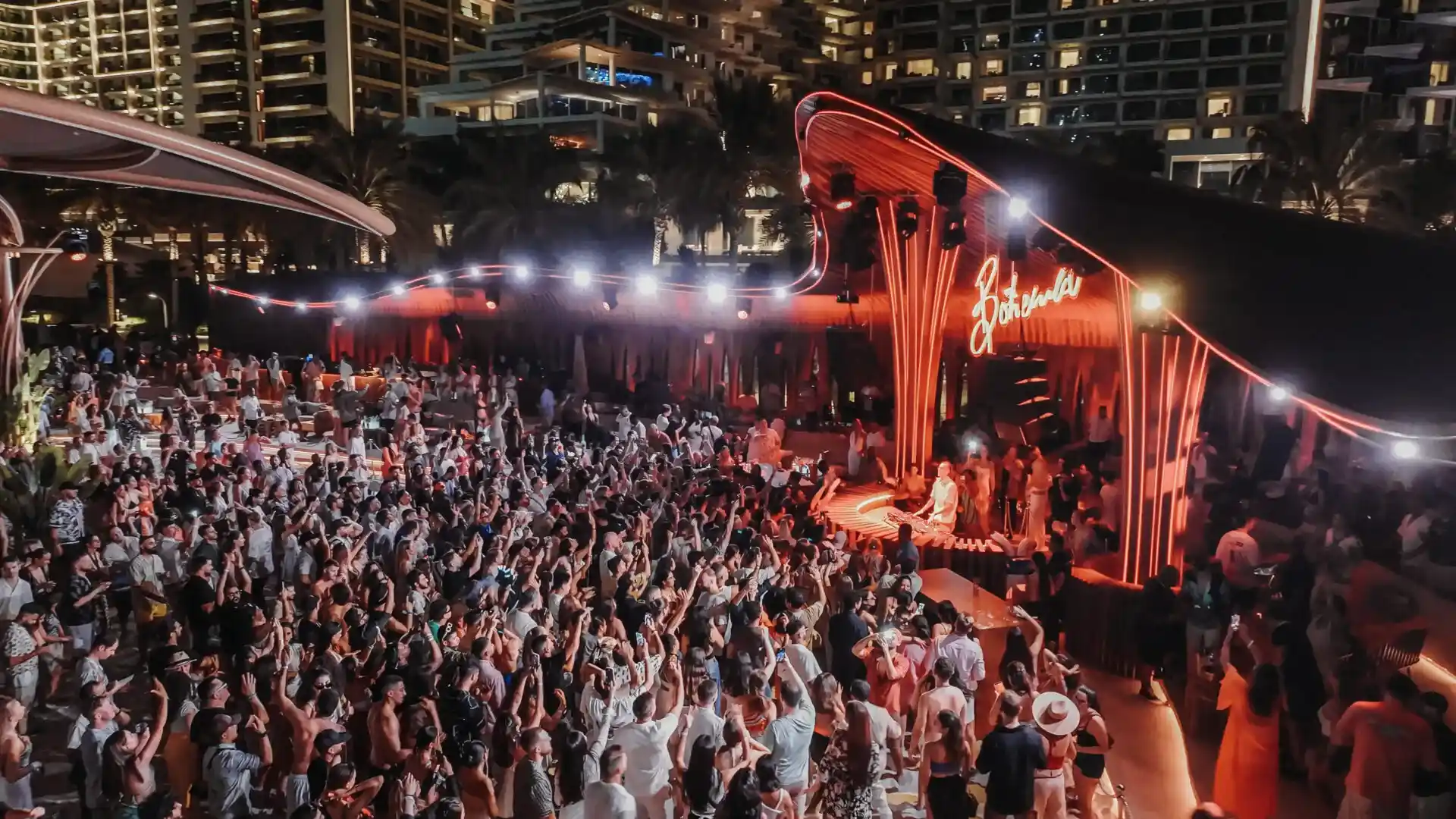
As the holiday season gets underway in the UAE, a significant shift in consumer behaviour is becoming increasingly evident. Nearly three-quarters of residents — around 74.4 per cent — are now favouring memorable experiences over the usual exchange of physical presents. Instead of purchasing items like clothing, electronics, or decorative goods, many people are directing their festive budgets toward activities that allow them to relax, socialise, or simply enjoy time away from their daily routines. Popular choices include short local getaways, weekend staycations at resorts, and tickets to concerts or special entertainment events taking place throughout the country.
This trend has been observed and highlighted by Platinumlist, a major platform in the Middle East known for connecting audiences with entertainment options and cultural events. According to their latest findings, residents are showing a growing interest in opportunities that create lasting memories rather than gifts that may be used briefly and then set aside. The shift reflects a broader cultural movement toward valuing experiences and emotional connections, especially during festive periods when families and friends come together.
The preference for experiences over material goods also hints at the lifestyle priorities of people living in the UAE. With busy schedules and fast-paced urban environments, many are seeking meaningful ways to unwind and celebrate. Choosing a staycation at a nearby hotel allows residents to feel refreshed without the stress of long travel, while attending concerts gives them a chance to enjoy live performances and share moments with loved ones.
Moreover, this change suggests that the festive season is becoming less about consumerism and more about personal fulfillment and shared enjoyment. As a result, gift-giving traditions are evolving, with more emphasis placed on time spent together rather than objects exchanged. This growing inclination toward experiential celebrations appears poised to shape future holiday habits across the country.
In previous years, festive shopping typically revolved around buying electronics, trendy clothing, or pieces of jewellery to place under the tree. Those traditional choices, however, are no longer what most people prefer. According to the survey, only a small portion of participants — just 25.6 per cent — still lean toward giving or receiving physical items, signalling a noticeable decline in the appeal of material gifts.
What people now seem to value far more is meaningful interaction and emotional connection. A considerable majority indicated that their motivation for selecting experiences over objects stems from the desire to create memories that endure well beyond the holiday season. In fact, 64.1 per cent of those surveyed pointed to the importance of forming “lasting memories” when explaining why they choose activities like trips, events, or shared outings. Additionally, another segment of respondents — about 20.5 per cent — expressed that experiential gifts resonate on a deeper level because they feel more thoughtful and personalised compared to store-bought items.
This shift shows a growing emphasis on shared moments, bonding, and the sentimental value that comes from doing things together. Rather than focusing on material possessions, many now prefer gifts that offer unique experiences and emotional richness, redefining what festive giving looks like today.
With individuals under the age of 30 representing around 55 per cent of the population across the Mena region, experts believe this growing preference for experiential gifts will only become more widespread in the coming years. Younger generations, especially Gen Z, are driving this movement, and research indicates that about 65 per cent of them favour gifts that evoke emotions rather than objects that can be owned.
Their views highlight a deeper cultural shift. For many young adults, the true value of a gift lies in the memories and feelings it creates. Aisha Hakim, a 23-year-old resident, explained that she would much rather receive tickets to a live show and spend time with her friends than be given yet another electronic device. To her, the joy of sharing an exciting moment is far more meaningful and memorable.
This sentiment is echoed by 27-year-old Omar Abdulla, who believes that taking part in an engaging experience carries a sense of intimacy and personal connection that traditional gifts often lack. He noted that while physical items can be placed aside and forgotten, experiences leave lasting impressions because they are felt deeply. These perspectives reflect a generational mindset that prioritises emotional richness and shared moments over material possessions.
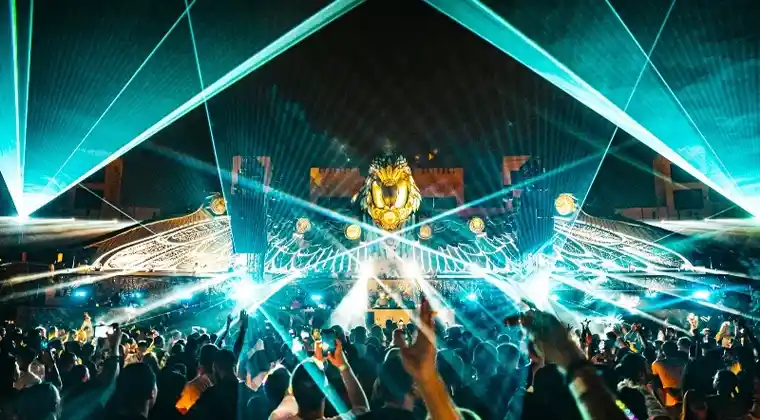
Concerts take the spotlight
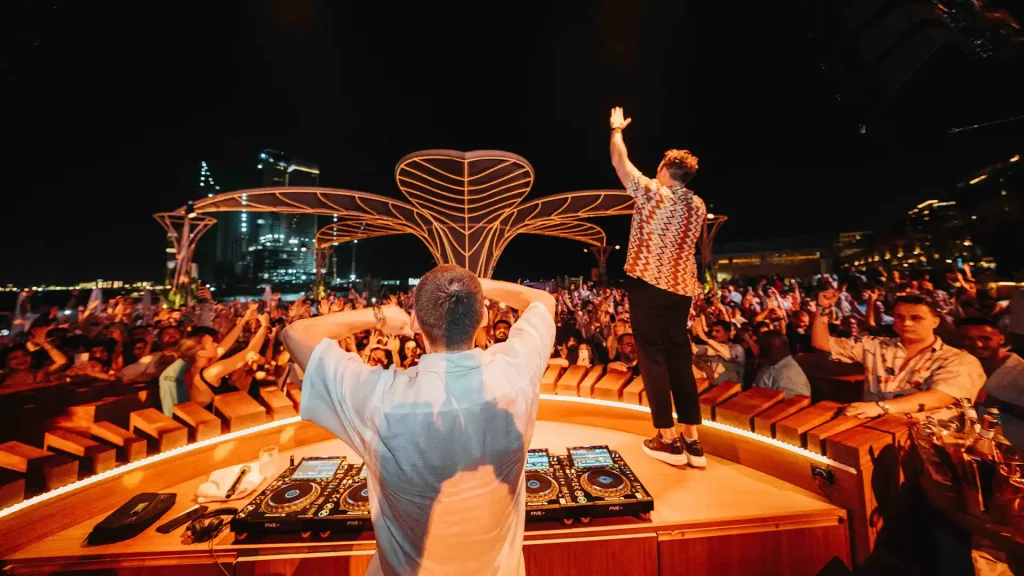
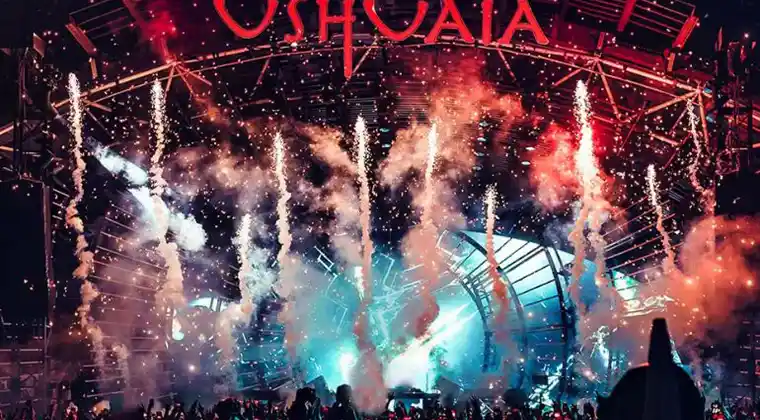
Live shows are quickly becoming the most sought-after festive gift, with 63 per cent of survey participants naming concert tickets as their favourite choice. This preference aligns with the rapid expansion of the UAE’s music and events industry, which is on track to play a major role in a live entertainment sector forecast to hit $22.9 billion by 2033.
Twenty-one-year-old Leila Kiwan described how impactful these experiences can be, recalling a recent visit to the “Why Not! Mazzika Festival” at the Coca-Cola Arena. She said the event left a lasting impression, and that she would much rather give someone a memorable outing like that than a material item.
Neil Varghese echoed this view, noting that Dubai’s music landscape caters to every taste — from massive arena concerts to cosy live performances and pop-up shows. He believes gifting tickets offers someone a moment they can return to in their memories long after the event is over.
Beyond concerts, a variety of other experiential gifts are also catching people’s attention. These include staycation packages (18.5 per cent), upscale brunches (7.4 per cent), thrill-seeking activities such as skydiving and desert adventures (3.7 per cent), family-friendly venue passes (3.7 per cent), and wellness-focused spa treatments (3.7 per cent).
Shoppers are also becoming more mindful of their budgets. Over half — around 53.3 per cent — expect to spend between Dh250 and Dh500 on each gift. As for overall leisure spending during the festive period, 43.5 per cent aim to keep it under Dh500 per month, while another 43.5 per cent anticipate spending in the Dh500–1,000 range.
Almost 90 per cent of people in the UAE say they intend to enjoy a concert or some form of live music during their upcoming long weekend, showing just how strong the appetite for entertainment has become. At the same time, interest in more interactive forms of art is growing steadily. About 23.1 per cent of respondents said they want to experience immersive theatre for the first time in the next year, while another 15.4 per cent expressed curiosity about specialised cultural or heritage tours that allow them to better understand and connect with the region’s history and traditions.
Commenting on these emerging trends, Platinumlist CEO Cosmin Ivan noted that experiential activities are quickly becoming the main focus of people’s leisure choices. According to him, many individuals now opt to gift experiences multiple times a year — sometimes as often as five times — indicating a clear shift in consumer behaviour. Ivan added that the rising interest in storytelling-based experiences creates new possibilities for both the entertainment and hospitality sectors. By offering richer, more engaging formats that people can return to again and again, businesses have a unique chance to strengthen customer relationships and encourage long-term loyalty.