The UAE Central Bank’s recent interest rate cut will lower borrowing costs, allowing individuals and businesses to save on loans, mortgages, and financing, offering meaningful financial relief to borrowers across the country.
UAE borrowers to benefit as Central Bank lowers interest rates, reducing loan costs
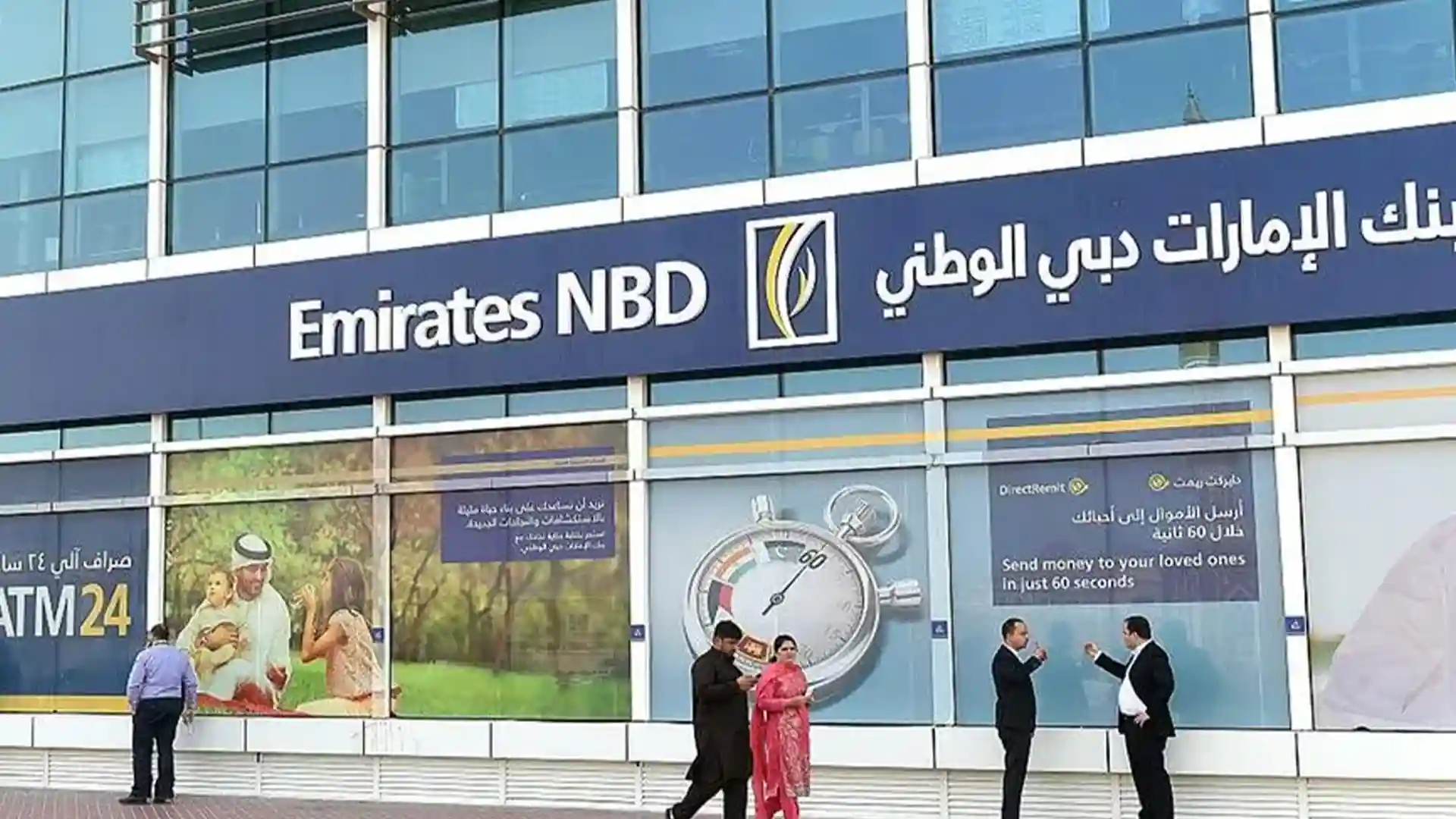
UAE consumers can expect lower borrowing costs following the Central Bank of the UAE’s decision to cut benchmark interest rates on Wednesday.
The CBUAE announced that it is reducing the Base Rate for the Overnight Deposit Facility (ODF) by 25 basis points, bringing it down from 3.90 per cent to 3.65 per cent, effective Thursday. This move follows the US Federal Reserve’s reduction of the Interest Rate on Reserve Balances (IORB) by the same margin.
Additionally, the Central Bank confirmed that the interest rate for short-term borrowing from its standing credit facilities will remain 50 basis points above the Base Rate. Given that the UAE dirham is pegged to the US dollar, monetary policy adjustments in the US directly influence local lending costs, meaning loans in the UAE are set to become more affordable.
Currently, mortgage rates in the country range from 3.49 per cent to 4.75 per cent, while personal loans are priced between 3 per cent and 9 per cent, with prime borrowers seeing offers as low as 2.59 per cent. Analysts expect fixed mortgage rates to adjust closer to 3.75–4.25 per cent, while variable rates will decrease as the EIBOR declines.
For households, the impact is tangible. For instance, a Dh2 million mortgage at a 4 per cent interest rate would cost approximately Dh10,550 per month, compared with Dh11,700 at 5 per cent — a monthly saving of Dh1,150. The rate cuts also present opportunities for refinancing existing loans under more favorable terms, making homeownership increasingly accessible amid high rental costs in Dubai and Abu Dhabi.
Experts note that this is the third consecutive rate reduction in 2025, lowering borrowing costs by a total of 75 basis points. The 3-month EIBOR, used as a benchmark for many home and personal loans, is expected to strengthen, delivering significant savings to borrowers. For example, an average variable-rate home loan of Dh1 million could save roughly Dh2,500–Dh3,600 annually. Personal loans are already seeing renewed demand, with a 17.8 per cent year-on-year growth as banks pass on lower costs to finance purchases such as cars, education, and larger household needs.
The reduction in borrowing costs is also expected to stimulate domestic spending. With lower debt service requirements, disposable incomes rise, supporting consumer spending growth projected at 13 per cent in 2025 — above the global average. Analysts say the easier credit environment is boosting retail, tourism, and entertainment sectors as consumers feel more confident spending rather than saving.
In real estate, lower rates provide both stability and growth. Reduced financing costs encourage developers and investors, keeping the construction sector active, while banks continue to increase lending, sustaining the flow of credit in the economy.
However, the extent of these benefits depends on several factors. Banks may pass on the rate cuts gradually, depending on liquidity, capital requirements, and loan demand. Borrowers with floating-rate mortgages and personal loans are likely to benefit first, while those with fixed-rate loans will see gains mainly through refinancing.
Overall, the CBUAE’s latest move aligns UAE lending rates with US monetary policy, easing borrowing costs and supporting households, businesses, and the broader economy.
Here’s a fully rewritten version of your article in original wording:
UAE consumers can expect lower borrowing costs following the Central Bank of the UAE’s decision to cut benchmark interest rates on Wednesday.
The CBUAE announced that it is reducing the Base Rate for the Overnight Deposit Facility (ODF) by 25 basis points, bringing it down from 3.90 per cent to 3.65 per cent, effective Thursday. This move follows the US Federal Reserve’s reduction of the Interest Rate on Reserve Balances (IORB) by the same margin.
Additionally, the Central Bank confirmed that the interest rate for short-term borrowing from its standing credit facilities will remain 50 basis points above the Base Rate. Given that the UAE dirham is pegged to the US dollar, monetary policy adjustments in the US directly influence local lending costs, meaning loans in the UAE are set to become more affordable.
Currently, mortgage rates in the country range from 3.49 per cent to 4.75 per cent, while personal loans are priced between 3 per cent and 9 per cent, with prime borrowers seeing offers as low as 2.59 per cent. Analysts expect fixed mortgage rates to adjust closer to 3.75–4.25 per cent, while variable rates will decrease as the EIBOR declines.
For households, the impact is tangible. For instance, a Dh2 million mortgage at a 4 per cent interest rate would cost approximately Dh10,550 per month, compared with Dh11,700 at 5 per cent — a monthly saving of Dh1,150. The rate cuts also present opportunities for refinancing existing loans under more favorable terms, making homeownership increasingly accessible amid high rental costs in Dubai and Abu Dhabi.
Experts note that this is the third consecutive rate reduction in 2025, lowering borrowing costs by a total of 75 basis points. The 3-month EIBOR, used as a benchmark for many home and personal loans, is expected to strengthen, delivering significant savings to borrowers. For example, an average variable-rate home loan of Dh1 million could save roughly Dh2,500–Dh3,600 annually. Personal loans are already seeing renewed demand, with a 17.8 per cent year-on-year growth as banks pass on lower costs to finance purchases such as cars, education, and larger household needs.
The reduction in borrowing costs is also expected to stimulate domestic spending. With lower debt service requirements, disposable incomes rise, supporting consumer spending growth projected at 13 per cent in 2025 — above the global average. Analysts say the easier credit environment is boosting retail, tourism, and entertainment sectors as consumers feel more confident spending rather than saving.
In real estate, lower rates provide both stability and growth. Reduced financing costs encourage developers and investors, keeping the construction sector active, while banks continue to increase lending, sustaining the flow of credit in the economy.
However, the extent of these benefits depends on several factors. Banks may pass on the rate cuts gradually, depending on liquidity, capital requirements, and loan demand. Borrowers with floating-rate mortgages and personal loans are likely to benefit first, while those with fixed-rate loans will see gains mainly through refinancing.
Overall, the CBUAE’s latest move aligns UAE lending rates with US monetary policy, easing borrowing costs and supporting households, businesses, and the broader economy.