Dubai is introducing AI systems at Al Maktoum Airport to position aircraft gates closer to passengers, reducing long walking distances, improving convenience, and enhancing the overall travel experience for flyers.
Dubai: AI to move aircraft gates nearer, cutting walking distances at Al Maktoum Airport
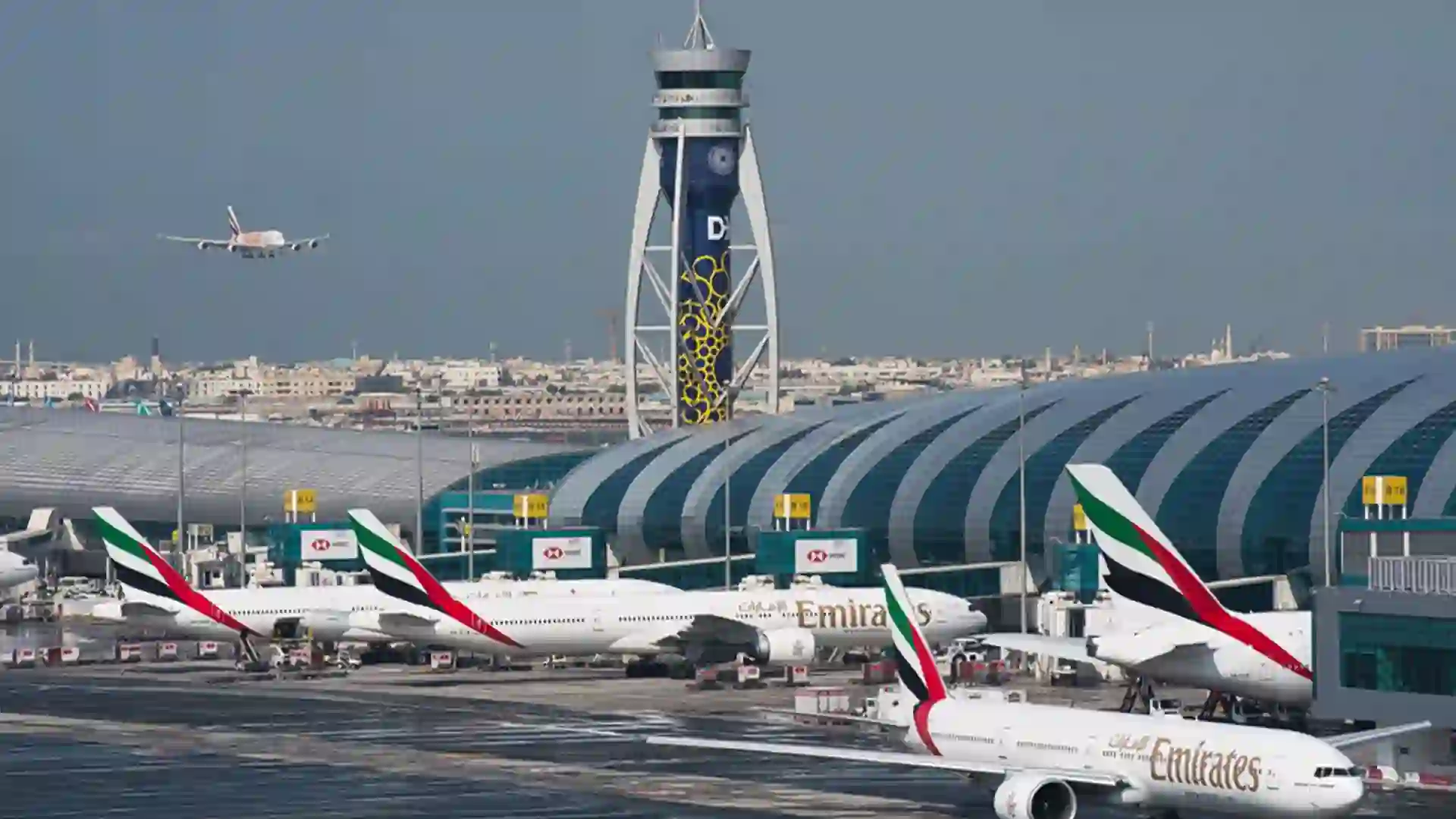
Covering an area of 70 square kilometres, Al Maktoum International Airport is set to feature five parallel runways and more than 400 aircraft gates, highlighting its massive scale. According to Dubai Airports, plans are underway to integrate advanced artificial intelligence systems that will help reassign gates more efficiently, reducing long walking distances and making it easier for passengers to navigate the vast new hub.
CEO Paul Griffiths explained that the airport’s future capabilities will be vastly enhanced through next-generation technologies that are not available today. He noted that while there is widespread belief that AI will replace human roles and lead to increased reliance on automation, travellers still value personal interaction. The goal, he said, is to use technology to eliminate the frustrating aspects of airport travel while enhancing the elements people enjoy — such as comfortable waiting areas, lounges and warm hospitality.
Griffiths emphasised that the airport experience of the future will look completely different, with powerful, behind-the-scenes technology enabling improvements that are currently impossible.
Reallocating of gates
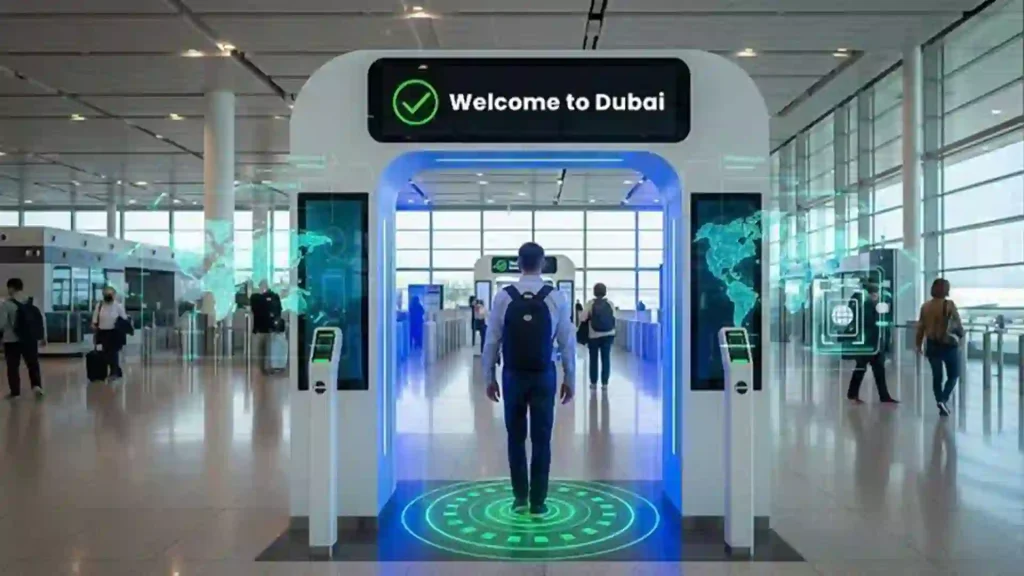
To illustrate the impact of AI, Griffiths explained that aircraft currently use fixed gates, but intelligent systems will soon allow dynamic gate assignment. By analysing real-time data, AI will be able to reshuffle gates for arriving flights, reducing both walking distances and connection times. This, he noted, will greatly enhance customer experience and help passengers navigate the enormous scale of the new airport.
The Dubai government has already confirmed that all operations from Dubai International Airport will shift to Al Maktoum International Airport by 2032. Once fully completed, the new hub is expected to become the world’s largest international airport, capable of handling more than 260 million travellers per year.
Dubai Airports plans to roll out state-of-the-art technology across every stage of the passenger journey before Al Maktoum Airport officially opens. These upgrades will support higher traffic volumes, streamline aircraft handling and enable much quicker turnaround times.
Spanning 70 square kilometres, the airport will feature five parallel runways and more than 400 aircraft gates — a reflection of its massive scale. The move to Al Maktoum is driven by the fact that Dubai International Airport is nearing maximum capacity and is projected to hit 100 million passengers within the next 18 months. With Emirates and flydubai set to expand their fleets significantly in the coming decade, Dubai needs a far larger facility to support future growth.
Hospitality Environment
Griffiths noted that technology is advancing rapidly, and the goal is to ensure that passengers remain central to every aspect of the airport and airline journey.
He explained that maintaining growth at Dubai International Airport in the coming years will be challenging. “It’s similar to squeezing a lemon,” he said. “The first 85 per cent is easy, but extracting the last bit requires real effort.” His aim is to eliminate the cumbersome procedures that travellers have long been subjected to.
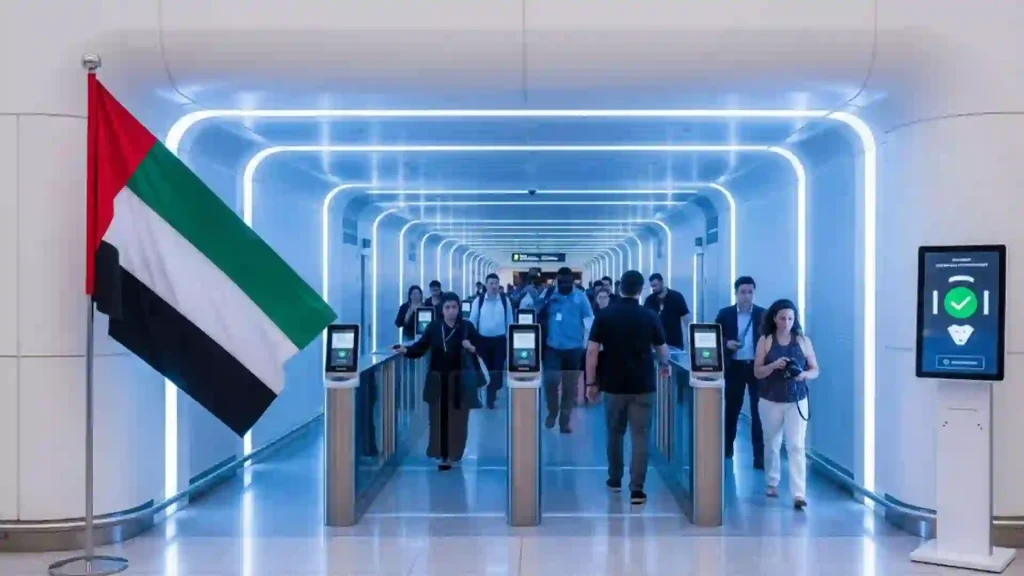
According to Griffiths, processes such as check-in, baggage drop, security, and immigration can be shifted into the background through modern technology, sparing passengers from long queues. Instead, travellers should enter the airport and immediately feel as though they are in a high-end hospitality environment. This shift, he added, benefits both customers and the airport’s overall operations.
He concluded by saying that new technological advances will transform Dubai World Central into a facility the industry, the city and its residents can be genuinely proud of.