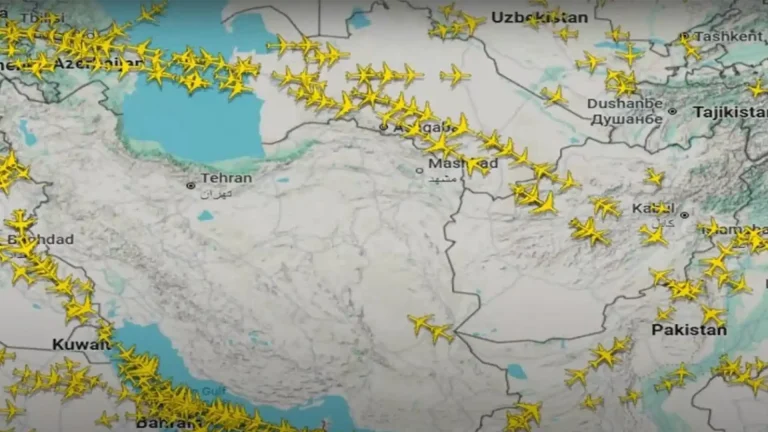
The UAE once again holds the world’s most powerful passport, maintaining its top position for the seventh year. This strong global ranking comes despite increasing travel restrictions affecting mobility worldwide.
UAE Retains World’s Most Powerful Passport Status Amid Growing Restrictions
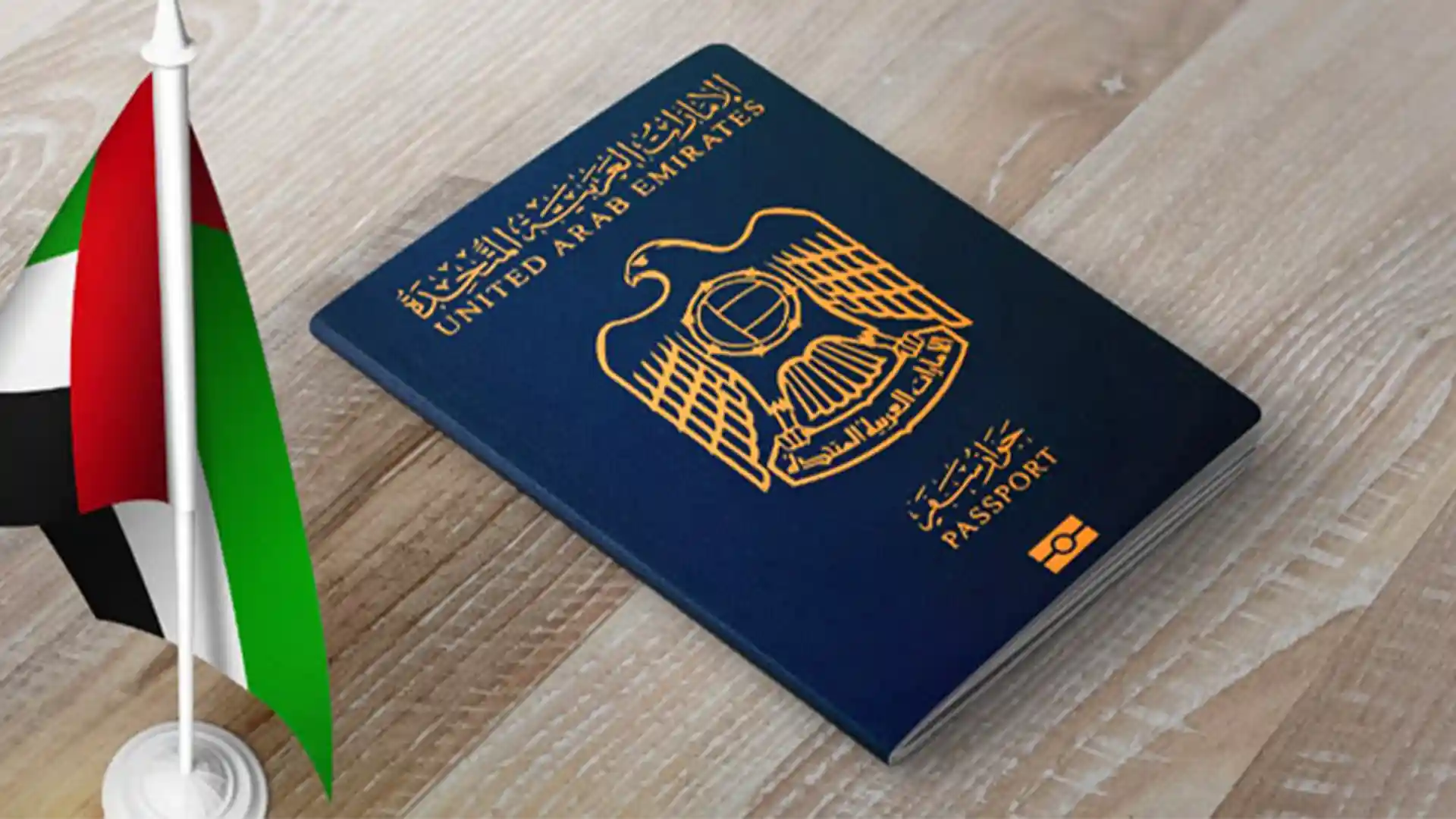
The UAE’s powerful passport, high income levels, and exceptional living standards have also boosted the appeal of the country’s 10-year Golden Visa among skilled professionals, investors, and high-net-worth individuals.
According to the 2025 Passport Index released by Arton Capital on Wednesday, the UAE has secured its position as the world’s strongest passport for the seventh year in a row.
This achievement comes during a year in which many major global passports declined in ranking, yet the UAE continues to lead decisively.
“Results this year highlight a clear trend: international travel freedom is tightening. Countries are becoming more cautious, and the fast-paced reopening seen after Covid has clearly ended. Despite this shift, the UAE remains ahead, while Asian nations are also strengthening their mobility rankings,” said Armand Arton, CEO and co-founder of Arton Capital. He noted that in a time of growing travel restrictions, the importance of holding a strong passport increases significantly.
The report also highlighted that many billionaires are looking to relocate as borders become more restrictive. With its exceptional travel access and status as a global hub for affluent expatriates, the UAE continues to attract individuals seeking security and greater mobility.
Arton added that the UAE maintains its No. 1 ranking because it continues to expand travel access, even as most other nations become less open. In 2025, the global mobility score declined as several major passports — including those of the US, UK, and Canada — lost visa-free privileges due to stricter entry rules. The UAE, however, not only avoided this downward trend but made further gains.
While other countries dropped in ranking, the Emirati passport held onto its exceptional strength, offering visa-free access to 129 destinations, visa-on-arrival entry to 45 countries, and electronic travel authorization (ETA) for eight more — resulting in a total Mobility Score of 179.
What made it the strongest?
Armand Arton explained that the UAE’s passport power is the outcome of years of strategic diplomacy, strong and reliable international partnerships, and the country’s reputation as a safe, economically significant destination for global talent.
He noted that as more nations pursue deeper economic and strategic cooperation with the UAE, they are increasingly opening their borders to Emirati travellers. The UAE’s early adoption of digital travel systems has also played a key role. For example, Canada’s move to extend ETA eligibility to Emirati citizens boosted the UAE’s mobility advantage even further.
According to Arton, this blend of international trust, economic influence and modernised travel agreements has enabled the UAE to remain a global leader in passport strength, even as many regions tighten their entry rules.
Benefits of a stronger passport
A highly ranked passport offers significant benefits not only to its holders but also to the nation’s broader economic landscape.For individuals, it provides increased travel freedom at a time when many countries are tightening entry requirements. Easy or visa-free access streamlines international trips, education opportunities, business activities, and cultural interactions—eliminating the delays, paperwork, and uncertainty associated with conventional visa applications.
From an economic perspective, strong passport mobility boosts a country’s global competitiveness. It allows businesses to function more smoothly across borders, encourages international investment, and makes the nation more appealing to skilled professionals and global investors, said the CEO of Arton Capital and co-founder of the Passport Index.
He added that as numerous passports—such as those of the US, UK, and Canada—experience declining access, a high-ranking passport reflects national stability, reliability, and global integration. For investors and internationally minded individuals, this strength inspires trust, signalling that the country offers both mobility and the secure, well-connected environment needed to support global ventures and lifestyles.
Asians Matching European Power
Singapore made the biggest leap in 2025, jumping from 30th place to 2nd place in the Passport Index, achieving a mobility score of 175. Malaysia follows closely behind, climbing from 41st to 17th and entering the top tier for the first time with a score of 174.Alongside Japan and South Korea, which remain strong despite small score drops, Asia’s top passports are now competing directly with Europe’s long-standing leaders. The region’s rising diplomatic weight is translating into real mobility power.In 2025, European passports continue to dominate the upper tier of global rankings, with countries like Spain, France, Germany, Belgium and Italy still holding strong positions. However, most of these passports have lost some of their previous strength.
Compared with 2024, many leading European passports slipped from mobility scores of 178–179 down to roughly 174, reflecting the loss of several visa-free destinations as more nations introduce stricter entry policies. Europe remains influential in the global mobility space, but its dominance is gradually weakening.
The UK experienced another notable drop, sliding from 32nd to 39th place, extending its downward trend since its pre-Brexit peak. The US and Canada also lost ground, each falling five points, landing in 41st and 40th place.
Countries once considered unbeatable in passport power are now being surpassed by more rapidly advancing nations. As globally mobile individuals reassess where they want to base their lives and businesses, traditional Anglosphere passports are losing some of their appeal.
The World Openness Score — the Passport Index’s live indicator of global travel accessibility — fell again in 2025, signalling a definitive end to the post-pandemic recovery in travel freedom. Many top-ranked passports saw reductions in visa-free access as governments introduced new security measures, revised travel agreements, or raised entry requirements.
According to Arton Capital, the world is moving toward a more divided system of mobility — one where freedom to travel is shrinking overall, yet becoming increasingly valuable for internationally active individuals.