UAE gas demand is projected to rise by 50% over the next five years, creating significant opportunities for new investments in energy infrastructure, production capacity, and long-term supply expansion.
Rising UAE Gas Demand—Up 50% in Five Years—Poised to Drive New Investments
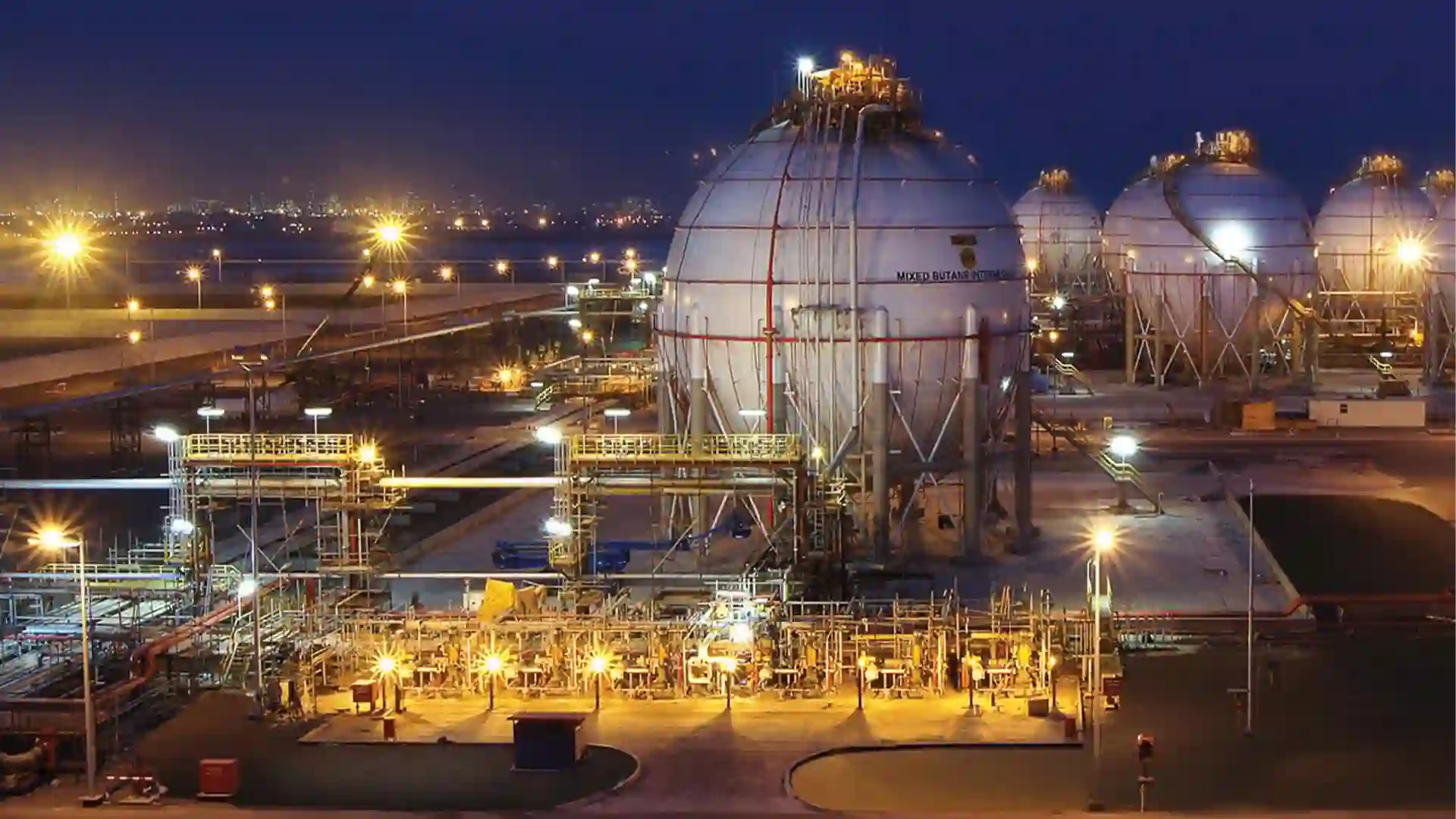
Regional energy experts estimate that the Middle East will need an additional 14 billion cubic feet of natural gas per day by 2030 to keep up with soaring demand. To achieve this, the sector must attract roughly $200 billion (Dh734 billion) in investment over the next four years, according to industry leaders who spoke at the Middle East Gas Conference in Dubai on Wednesday.
Executives noted that the rapid growth of data centres, artificial intelligence applications, and expanding digital infrastructure in the UAE and across the region is fueling a significant rise in gas consumption. These emerging industries, combined with ongoing power needs, are placing unprecedented pressure on supply.
Majid Jafar, CEO of Crescent Petroleum and board managing director of Dana Gas, highlighted the region’s accelerating production trends. “The Middle East is on track to become the world’s second-largest natural gas producer after North America. Since 2020, production has increased by more than 15 per cent, and projections indicate a further 30 per cent rise by 2030,” he said during the conference’s opening address. Meeting this demand surge, he added, will require massive investment commitments.
Majid Jafar stressed that the region’s focus on natural gas is about far more than meeting rising energy needs. He said the sector is poised to unlock major economic opportunities, support industrial expansion, and strengthen cooperation among Middle Eastern countries. Natural gas, he noted, will remain essential for energy security, industrial growth, and enabling the transition toward cleaner energy systems.
He also pointed out that financing the required scale of development cannot rely solely on traditional funding models. “To achieve this level of investment, we need new collaborations, support from sovereign wealth funds, and revitalised multilateral development banks to open up fresh financing pathways,” he explained.
Crescent Petroleum has already increased its gas output by 50 per cent, Jafar revealed. He added that demand in the UAE and the wider region has surged dramatically—tripling over the past two decades—and is projected to climb another 50 per cent within the next five years. The main forces behind this expansion include power generation, manufacturing, and now the rapidly growing digital economy driven by artificial intelligence.
Regional forecasts show that natural gas production must increase by around 14 billion cubic feet per day (bcfd) by 2030—an amount equal to the gas consumption of Europe’s entire power sector—bringing total output to roughly 86 bcfd.
Conference participants also highlighted the region’s ambition to become a major hub for AI technologies. Countries like the UAE and Saudi Arabia are accelerating efforts to attract AI data centres, which require reliable and energy-intensive infrastructure. With low energy costs and modern facilities, the Middle East is well-positioned to host these server farms. Jafar noted that AI infrastructure demands stable baseload power, an area where natural gas plays a critical enabling role.
Senior industry leaders such as Musabbeh Al-Kaabi, CEO of Adnoc Upstream, and Abdulkarim Al-Ghamdi, executive vice president for gas at Saudi Aramco, also shared insights in keynote sessions.
Delegates underscored the importance of enhancing cooperation between producers, investors, and regulators. They called for innovative investment structures, stronger regional partnerships, and supportive policy frameworks to build integrated and resilient gas networks capable of meeting future demand.