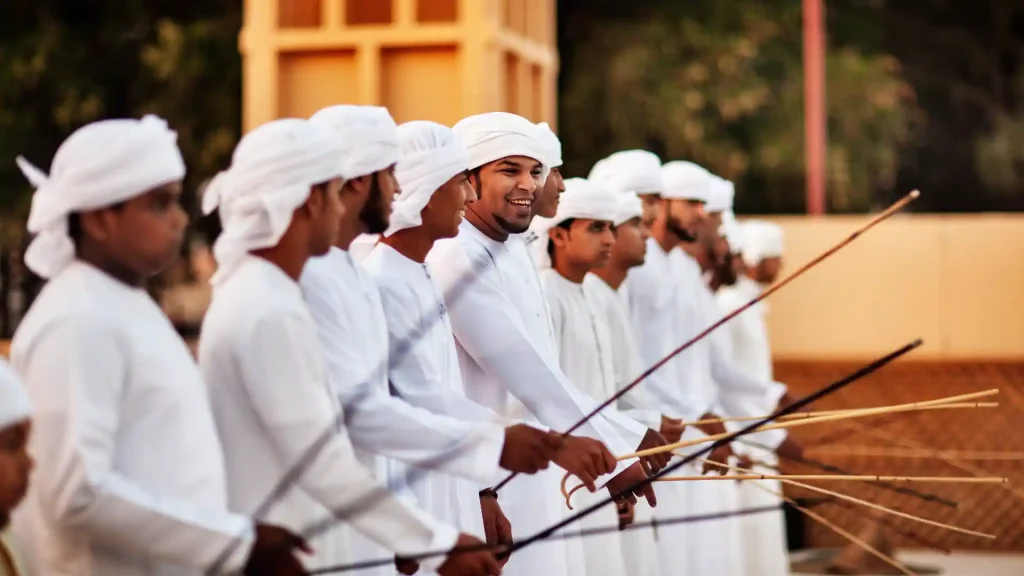
During the ILT20 tournament, the Gulf Giants players embraced UAE culture by participating in the country’s iconic camel racing tradition, enjoying a unique sporting experience beyond the cricket field.
ILT20: Gulf Giants take part in UAE’s traditional camel racing experience.
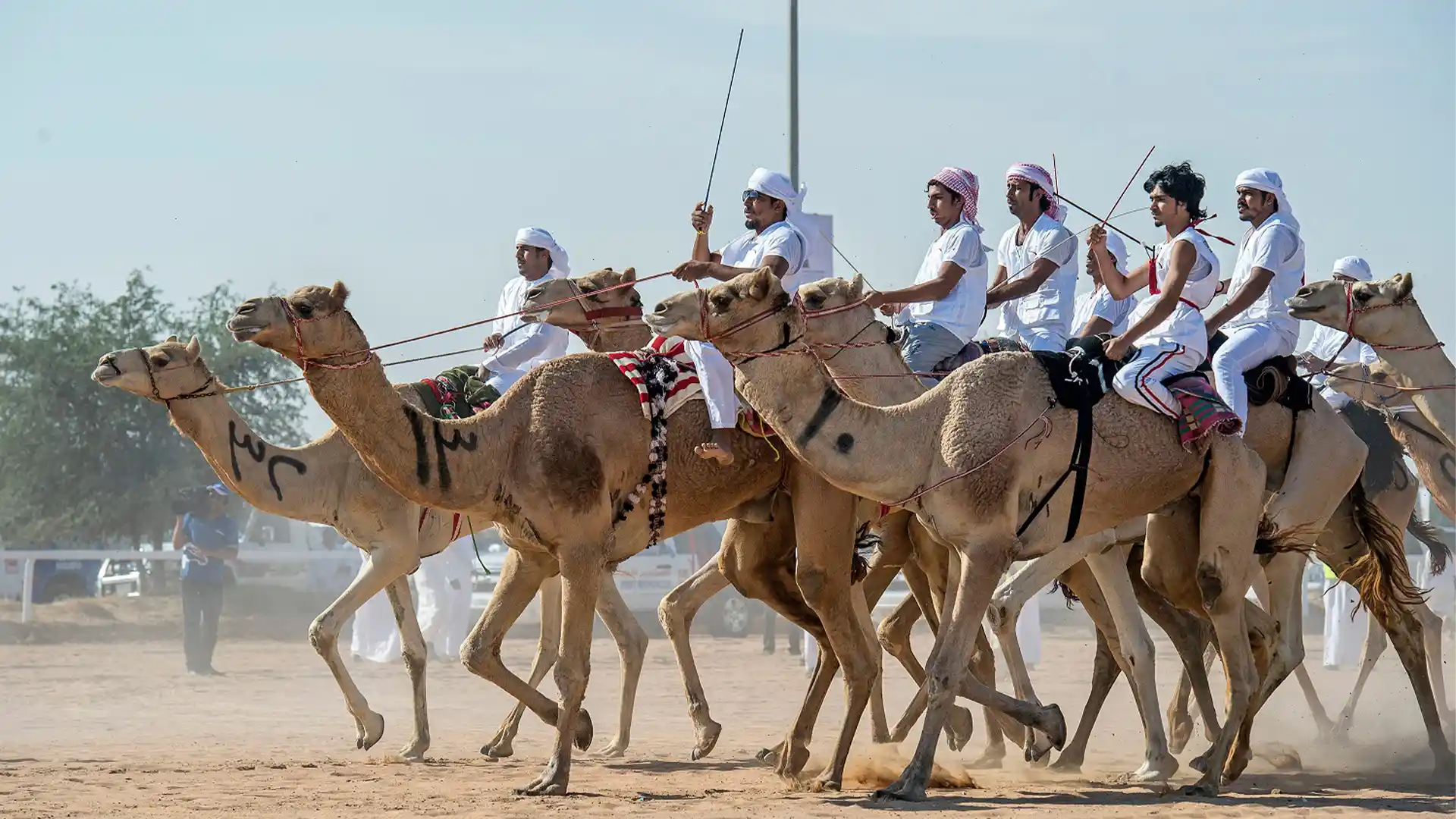
As the fourth season of the ILT20 tournament progresses, the Gulf Giants took a brief pause from their cricketing schedule to immerse themselves in one of the UAE’s most iconic cultural and sporting traditions. After securing victories in two of their first three matches, the team decided to explore an activity that has long been cherished in the Emirates—camel racing.
Aayan Khan, Asif Khan, Haidar Razzaq, Meet Bhavsar, Ishtiaq Ahmed, and Zuhaib Zubair, representing the Gulf Giants, visited the Arabian Desert Camel Riding Centre (ADCRC) located in Lisaili – Al Marmoom, Dubai. The sprawling desert venue, known for hosting camel races and offering immersive experiences, provided the perfect backdrop for the players to step away from the cricket field and try something completely different.
During their visit, the cricketers embraced the role of camel jockeys, learning the basics of handling and riding the animals under the guidance of experienced trainers. The players participated in friendly races, gaining first-hand appreciation for the skills and agility required to manage the camels. Beyond the excitement of the races, the experience allowed the team to connect with Emirati heritage, enjoy the desert landscape, and engage in a fun, team-building activity outside of cricket.
This unique off-field adventure not only offered a refreshing break from the tournament’s intensity but also highlighted the UAE’s rich sporting traditions to visiting international athletes.
During their visit, the Gulf Giants had the opportunity to engage closely with professional camel jockeys, gaining insight into the techniques, skills, and strategies involved in the traditional sport of camel racing. The players were guided through the subtleties of handling the camels, learning how jockeys maintain balance, control speed, and navigate the desert terrain during races. Beyond observation, the team participated in an interactive, hands-on camel riding session, experiencing firsthand the challenges and excitement of maneuvering these majestic animals across the rolling desert dunes. The activity offered a blend of cultural immersion, learning, and enjoyment.
The Arabian Desert Camel Riding Centre (ADCRC), recognized as the first licensed camel riding facility in the region, serves as a hub for both preserving traditional camel handling skills and teaching modern riding techniques. Established to offer enthusiasts and visitors a safe and authentic experience, the centre combines cultural heritage with professional training, ensuring that riders of all levels can engage meaningfully with this iconic aspect of Emirati tradition.
During their visit, the Gulf Giants were introduced to the intricate art of camel riding, including techniques for controlling speed, maintaining balance, and navigating the desert terrain, all under the supervision of experienced trainers. The session went beyond simple riding; the players learned about the historical and cultural significance of camels in the UAE, gaining an appreciation for the skill, patience, and respect required to work with these animals.The outing offered more than a sporting lesson—it provided a chance for cultural exchange, allowing the players to connect with local heritage while enjoying a lighthearted break from the pressures of competitive cricket. Amidst the sweeping desert dunes, the team engaged in fun activities, friendly races, and hands-on training, creating lasting memories. The experience highlighted the unique blend of sport, tradition, and entertainment that camel riding represents in Emirati culture.
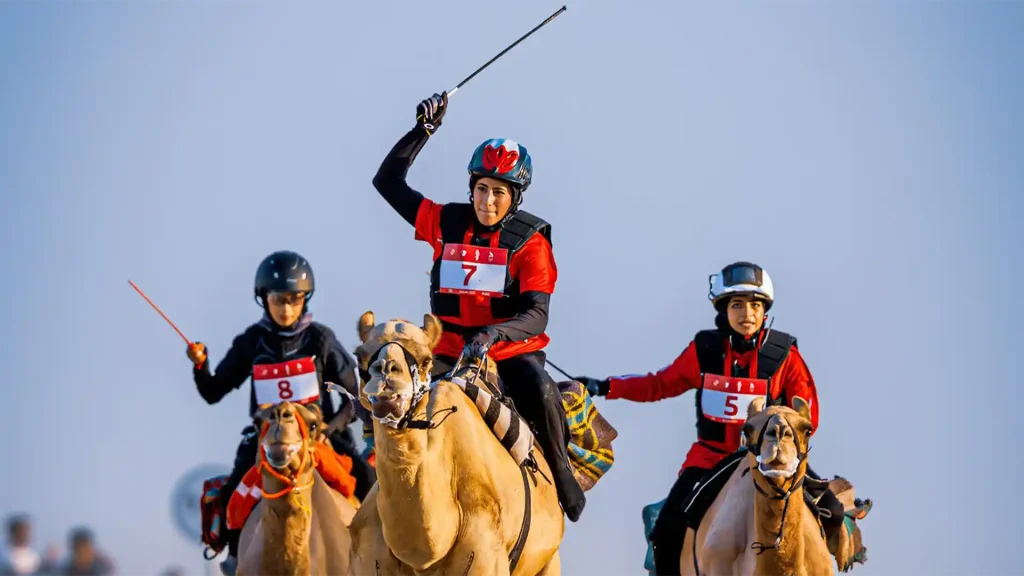
The camel riding session at the Arabian Desert Camel Riding Centre (ADCRC) came to a memorable close with a gesture that perfectly captured the essence of the day—a heartfelt exchange of jerseys between the Gulf Giants cricket players and the experienced camel trainers who had guided them through the desert experience. While it may have seemed like a small, symbolic act on the surface, this exchange carried deep significance, representing a bridge between cultures, sports disciplines, and shared human experiences. For the players, who had spent the day learning the intricacies of traditional camel racing, the gesture served as an acknowledgment of the knowledge, patience, and dedication required to excel in a sport so deeply embedded in Emirati culture. For the trainers and staff at ADCRC, it was a sign of respect and appreciation from internationally renowned athletes, highlighting the universal language of sport as a tool for connection and mutual understanding.
Beyond the physical exchange of garments, the moment encapsulated a broader narrative of cross-cultural camaraderie. Dubai, known for its vibrant multicultural environment and enthusiasm for global sports, has long championed initiatives that bring together individuals from diverse backgrounds through shared experiences. The day’s events—combining cricket, a sport beloved by millions across South Asia and the globe, with camel racing, a centuries-old Emirati tradition—exemplified this ethos perfectly. By exchanging jerseys, both parties acknowledged not just the joy of participation but also the symbolic meeting of worlds: modern, fast-paced professional cricket and the time-honored, methodical tradition of camel racing.
The gesture was further amplified by the surrounding desert setting, where the sweeping dunes provided a dramatic and memorable backdrop. Each jersey now carried stories of personal challenge, laughter, and learning from the day. For the Gulf Giants, it was a reminder that sportsmanship extends beyond the cricket field, encompassing adaptability, respect for local customs, and willingness to immerse oneself fully in unfamiliar experiences. For the trainers, it was an opportunity to showcase the skill, patience, and tradition of camel racing to a global audience, ensuring that their cultural heritage received recognition and appreciation from visitors far beyond the UAE.
In essence, the jersey exchange transcended a simple ceremonial act. It represented Dubai’s commitment to fostering understanding through sports, creating moments where learning, cultural appreciation, and friendly competition intersect. It highlighted the spirit of sporting harmony, the joy of shared experiences, and the bonds that form when people from different walks of life come together to celebrate athleticism, tradition, and human connection. Long after the desert sands settled, the jerseys exchanged that day will remain tangible reminders of a unique, cross-cultural encounter—a symbol of friendship, respect, and the power of sport to unite communities across continents.