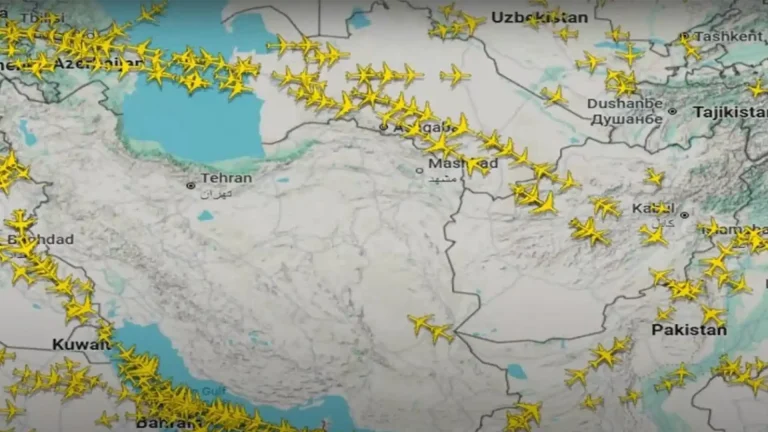
UAE motorists are now spending noticeably longer in traffic, with delays reaching 45 hours in 2025 — up from 35 hours the previous year. The rise in population and vehicles has put pressure on the roads, prompting major cities such as Dubai and Abu Dhabi to pour billions of dirhams into easing traffic.To address the …
New roads, rail lines, and metro routes: What these upgrades mean for the daily travel of UAE residents
UAE motorists are now spending noticeably longer in traffic, with delays reaching 45 hours in 2025 — up from 35 hours the previous year. The rise in population and vehicles has put pressure on the roads, prompting major cities such as Dubai and Abu Dhabi to pour billions of dirhams into easing traffic.
To address the issue, the Federal government is advancing nationwide transport upgrades, while Dubai is rolling out major improvements of its own. These efforts include smarter traffic management and expanded mobility options, all designed to cut congestion and create a more sustainable and better-connected urban environment.
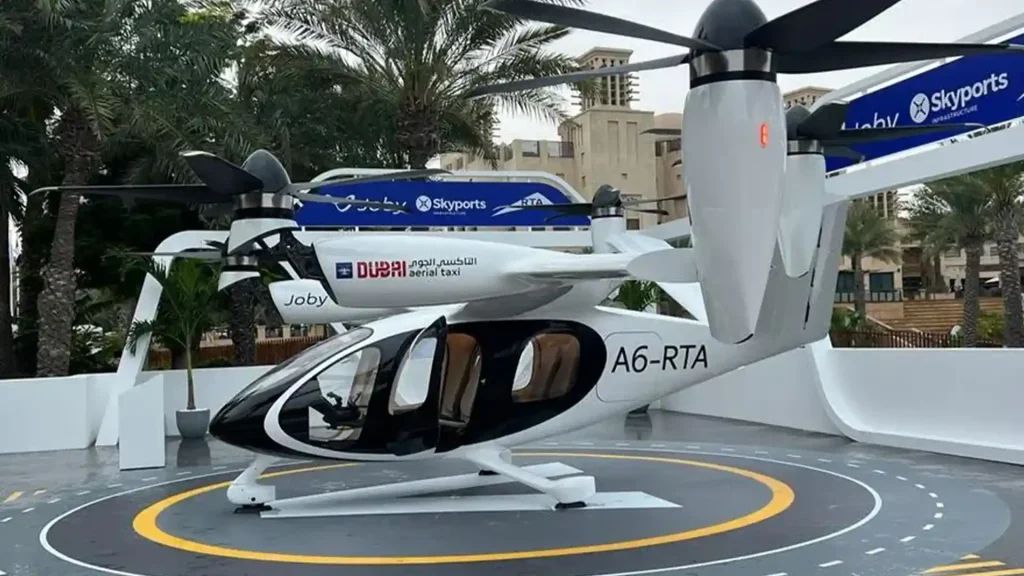
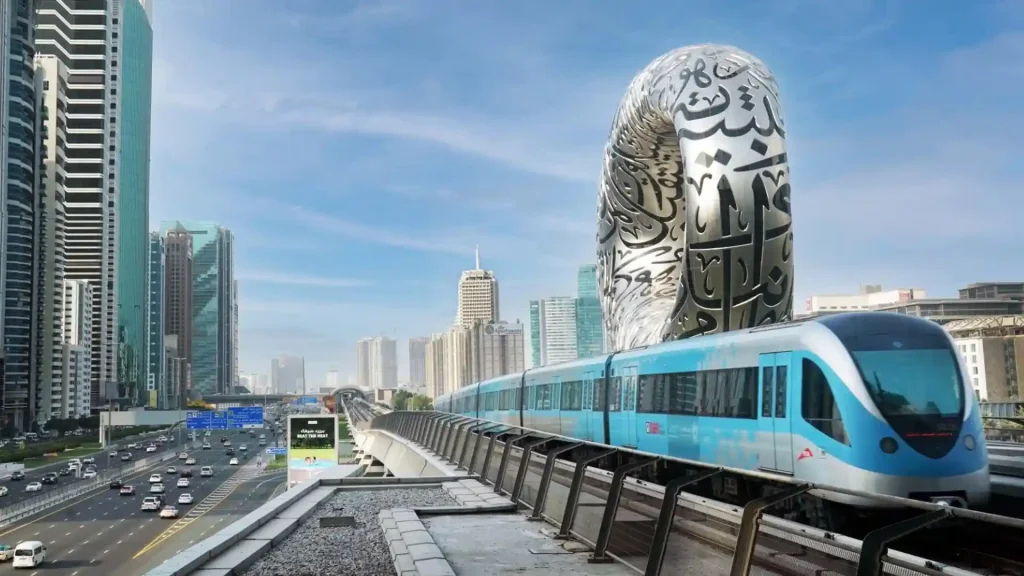
The UAE is pushing forward its vision of a smart, future-focused nation by raising the bar with ambitious infrastructure initiatives. From flying taxis to expanded highway systems, the country is accelerating transport projects and transforming the way residents travel around urban areas.
UAE Plans 4th National Highway
The UAE has unveiled plans for a fourth national highway, a 120‑kilometre, 12‑lane route designed to accommodate up to 360,000 trips daily. This forms part of a Dh170 billion nationwide transport upgrade aimed at reducing traffic congestion across the country.
Once completed, the new highway will join the three existing federal roads — the E11 (Al Ittihad), E311 (Sheikh Mohammed bin Zayed), and E611 (Emirates Road) — which currently carry over 850,000 vehicles traveling between Dubai and the Northern Emirates.
Aerial Taxi Project
The UAE has unveiled plans for a fourth national highway, a 120‑kilometre, 12‑lane route designed to accommodate up to 360,000 trips daily. This forms part of a Dh170 billion nationwide transport upgrade aimed at reducing traffic congestion across the country.
Once completed, the new highway will join the three existing federal roads — the E11 (Al Ittihad), E311 (Sheikh Mohammed bin Zayed), and E611 (Emirates Road) — which currently carry over 850,000 vehicles traveling between Dubai and the Northern Emirates.
Dubai Metro Expansion
The UAE has revealed plans for a fourth nationwide highway, stretching 120 kilometres with 12 lanes, expected to handle as many as 360,000 trips each day. This initiative is part of a Dh170 billion transport development programme aimed at easing traffic congestion throughout the Emirates.
This new route will become the fourth major federal highway, joining the E11 (Al Ittihad), E311 (Sheikh Mohammed bin Zayed), and E611 (Emirates Road), which together currently support more than 850,000 vehicles commuting between Dubai and the Northern Emirates.
Etihad Rail
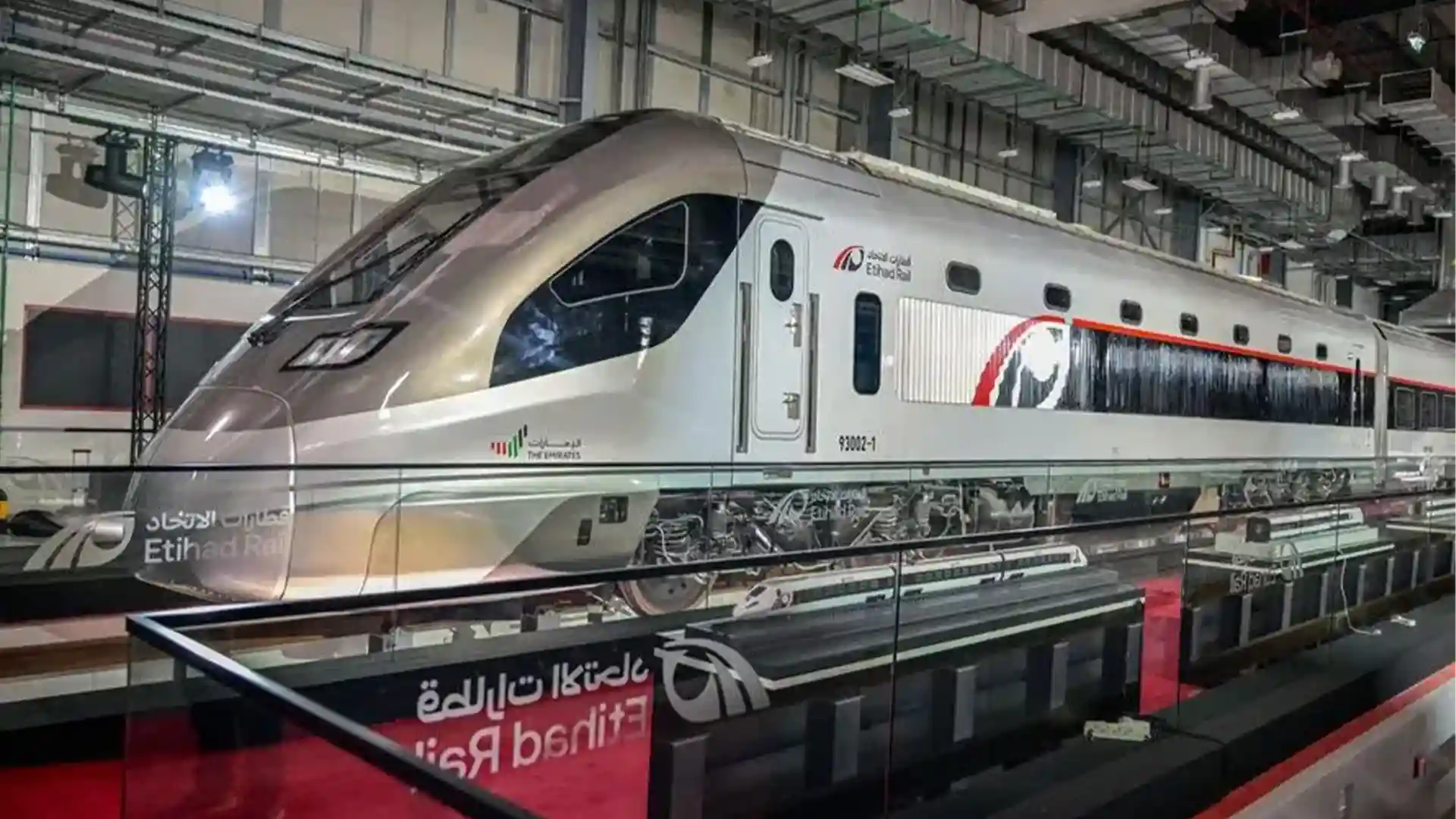
Etihad Rail, the UAE’s inaugural passenger train system, is set to begin operations in 2026, linking key cities and economic centers across all seven emirates. The service will dramatically reduce travel times — a journey from Abu Dhabi to Dubai will take just 57 minutes instead of several hours. Each train will accommodate up to 400 passengers and reach speeds of up to 200 km/h.
New high-speed train linking Abu Dhabi, Dubaiv
A new high-speed electric rail line linking Abu Dhabi and Dubai will include six stops: Reem Island, Yas Island, Saadiyat Island, Zayed Airport, near Al Maktoum Airport in Dubai, and Jaddaf close to Dubai Creek. This project aims to provide smooth, efficient travel between the two emirates, cutting journey times considerably.
Integrated Road Networks
Dubai’s Roads and Transport Authority (RTA) plans to complete 72 significant projects by 2027, featuring 226 km of new roads, 115 bridges and tunnels, and 11 primary transport corridors. These developments aim to improve traffic movement, shorten travel times, and incorporate advanced technologies for smarter, more efficient traffic management.
Smart Vehicles in Abu Dhabi
In November 2025, Abu Dhabi introduced the world’s first modular smart vehicles. These adaptable vehicles can be reconfigured by linking or separating modules based on demand, enhancing traffic efficiency, easing congestion, and lowering carbon emissions.