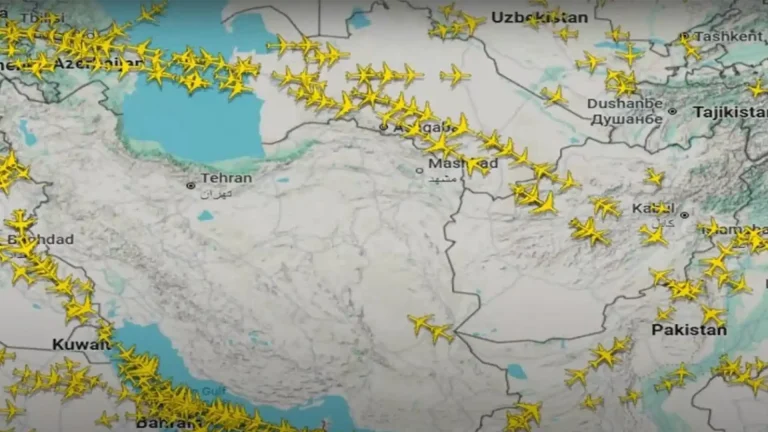
UAE residents can expect several changes in 2026, ranging from new sugar taxes and health initiatives to futuristic innovations like flying taxis, alongside other developments shaping everyday life and infrastructure.
From sugar levies to airborne taxis: 12 new developments UAE residents can look forward to in 2026

The UAE is set to introduce a wide range of new regulations, initiatives, and projects in 2026, all designed to improve the daily lives of its residents and enhance overall wellbeing.
With the government approving the largest federal budget in the nation’s history for the upcoming year, plans are underway to bring improvements across multiple sectors. From infrastructure and public services to technology and social programs, the focus is on creating a more convenient, efficient, and enjoyable environment for everyone living in the country.
Innovation is at the heart of these developments. Advanced technologies, including smart solutions and futuristic transport options, are being prioritised to streamline services and boost accessibility. Alongside technological advancements, updated regulations aim to make everyday processes simpler while promoting health, safety, and sustainability.
Authorities are also emphasising projects that strengthen the country’s long-term growth, balancing modernisation with residents’ quality of life. From enhancements in transport and digital services to initiatives encouraging healthier lifestyles and greener practices, the UAE is positioning itself as a forward-thinking nation where progress directly benefits its citizens. The combination of ambitious investments, cutting-edge technologies, and regulatory reforms signals an exciting year ahead, promising a more seamless, efficient, and vibrant living experience for all residents.
1. Sugar Tax
Starting January 1, 2026, the UAE will revise the way taxes are levied on sugary drinks.
According to the Ministry of Finance and the Federal Tax Authority, the excise on sweetened beverages will no longer depend on the type of product. Instead, it will be calculated based on the actual sugar content, replacing the current 50 per cent flat-rate tax. This change is intended to encourage healthier consumption habits and support public health initiatives across the country.
2. Ban on import, production, and trade of single-use plastic
As part of its gradual strategy to eliminate single-use plastics, the UAE will enforce a full ban on the import, manufacture, and sale of disposable plastic items starting January 1, 2026.
This initiative builds on measures introduced in 2024, which began with the prohibition of plastic bags. At that time, Dubai and other emirates had already banned single-use plastic bags and introduced a 25-fils levy on them. The earlier restrictions also included items such as plastic stirrers, Styrofoam food containers, table covers, cotton swabs, straws, and single-use Styrofoam cups.
The upcoming ban will broaden the scope to cover additional disposable plastic products, including single-use plastic cups and lids, plastic cutlery, food containers, and plates. This step reinforces the UAE’s commitment to sustainability and reducing environmental impact while encouraging residents and businesses to transition to eco-friendly alternatives.
3. VAT rules
The UAE plans to streamline its tax processes with updated value-added tax (VAT) regulations coming into effect in 2026.
As reported by WAM, changes to the current law specify that taxable entities will no longer be required to issue self-invoices when using the reverse charge mechanism. Additionally, there will be a five-year deadline for submitting claims to recover any excess refundable tax following reconciliation, along with several other adjustments aimed at simplifying compliance and improving efficiency for businesses.
4. Tax Reforms
The UAE is introducing major tax reforms starting in 2026, designed to simplify processes for taxpayers and enhance transparency. The changes will provide clearer guidelines and deadlines, including for refund claims.
Under the new regulations, the Federal Tax Authority (FTA) will have broader authority to conduct audits and investigations. This expansion is expected to reduce conflicts, speed up dispute resolution, and create a more consistent and predictable framework for tax compliance across the country.
5. Mandatory e-invoicing for businesses
From mid-2026, the UAE will roll out a phased, nationwide e-invoicing system.
Businesses will be required to issue and exchange invoices in a standardised electronic format, rather than using PDFs or scanned documents. The system is designed to streamline invoicing, enhance compliance with national tax laws, and accelerate business operations.
6. Unified calendar for Indian schools
Starting April 2026, Indian curriculum schools in the UAE will adopt the Ministry of Education’s (MOE) unified academic calendar, moving away from their traditional April–March schedule.
The transition will be carried out in a phased and organised manner to minimise disruption and ensure a smooth adjustment for students, teachers, and the wider school community.
7. Etihad Rail
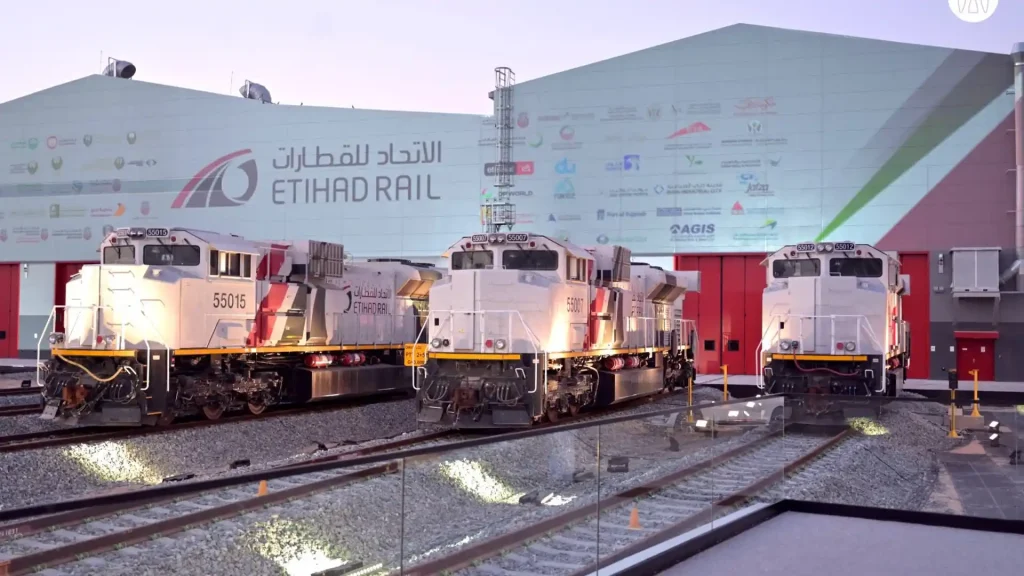
The long-awaited Etihad Rail is scheduled to start passenger services in 2026. Once complete, the network will connect 11 key cities and regions, making travel across the UAE faster and more convenient.
The railway is anticipated to stimulate economic growth and transform the country’s real estate market. It could also encourage more residents to live outside major urban centres while commuting to work by train, reshaping lifestyles and urban development patterns.
8. Flying taxis
Next year, UAE residents will see flying taxis become a reality, as more than 100 heliports are transformed into vertiports to support electric vertical take-off and landing (eVTOL) aircraft.
At this year’s Dubai Airshow, attendees had the chance to explore the interiors of these futuristic vehicles. US-based eVTOL companies Joby and Archer have partnered with local organisations to begin operations and have been conducting test flights across the UAE for several months. Trips that once took hours are expected to be completed in just minutes, revolutionising urban mobility in the country.
9. Robotaxis on the roads
Looking ahead to urban transportation, self-driving robotaxis are planned to launch on Dubai’s iconic Sheikh Zayed Road by next year.
Trials are already underway, with the autonomous vehicles reaching speeds of up to 72 km/h. Certain models will even feature massage seats, providing passengers with a more comfortable and luxurious travel experience.
10. Dubai Loop
Drivers in the UAE could soon experience the Dubai Loop — a 17 km underground transit network designed to be fast, efficient, and weather-resistant, unveiled by Elon Musk earlier this year.
According to a report by Bloomberg citing a senior UAE minister, the innovative system is expected to become operational in 2026.
11. Gitex at Expo City Dubai
Organisers have confirmed that in 2026, Gitex will be hosted at Expo City Dubai, expanding the scope of the renowned technology event.
The event will extend across the city, providing global tech leaders and investors an opportunity to explore Dubai while engaging with cutting-edge innovations and industry developments.
12. World Trade Centre Roundabout reopening
The Dubai World Trade Centre roundabout is being transformed into a ground-level intersection to enhance traffic flow, with five new bridges planned as part of the project. Once finished, the upgrade will double the junction’s capacity and reduce average delays from 12 minutes to just 90 seconds.
Two of the bridges are set to be accessible to the public soon, with one expected to open in March 2026 and the second in October 2026, according to the current timeline.