IndiGo flights operating between the UAE and India are gradually recovering after recent weekend delays. Services are stabilising, schedules are improving, and travellers can expect smoother operations as normal flight timings resume.
Flights on the UAE–India IndiGo route resume smoothly after disruptions.
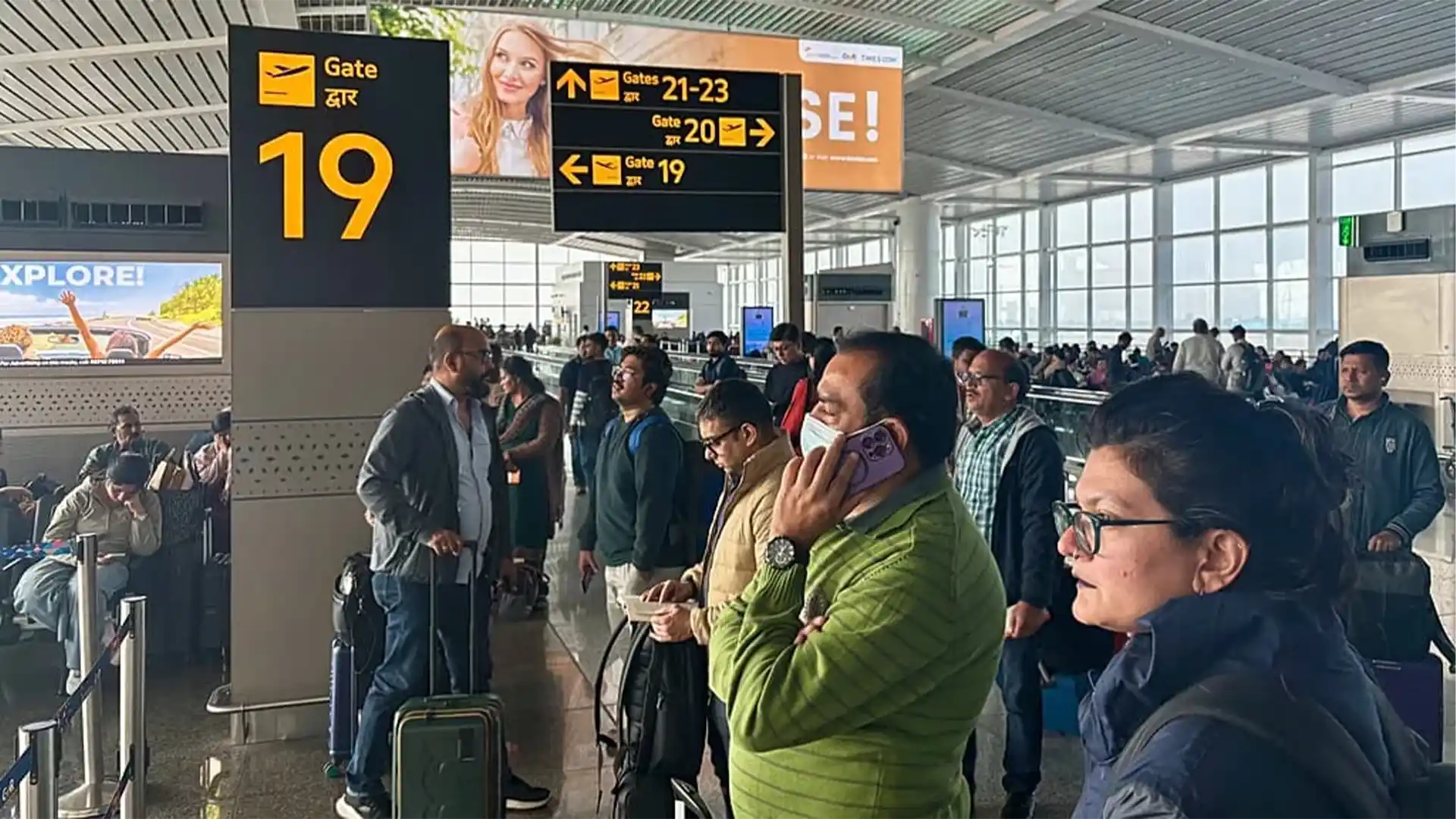
Following a weekend marked by major operational issues and extensive delays—some stretching beyond 10 hours—IndiGo’s flight services between the UAE and India have gradually started stabilising. By Sunday, a significant number of scheduled flights were departing and arriving closer to their original timings, although several still experienced delays ranging from 15 minutes to more than an hour. A handful of services continued to face extreme setbacks, with delays nearing ten hours.
During the early hours of Sunday, the Ras Al Khaimah–Hyderabad IndiGo flight successfully departed at its planned departure time of 2.30am. The Sharjah–Lucknow service, scheduled for 2am, also operated as expected. Meanwhile, the Dubai–Chennai route, which had been affected earlier in the week, was projected to run according to schedule and showed signs of normalisation.
In contrast, several other routes still encountered disruptions. The Dubai–Mumbai flight experienced a minor 15-minute delay, while the Delhi–Dubai service (6E 1463) took off 17 minutes behind schedule. One of the most significant hold-ups involved the Dubai–Kozhikode flight, which finally departed at 12.44pm—almost ten hours after its original take-off time of 3.20am, highlighting the lingering ripple effects of the airline’s operational challenges.
Across India, flight schedules continued to be heavily impacted. Nationwide disruptions entered a sixth consecutive day, though gradual improvements were noted. IndiGo, the country’s largest airline, cancelled approximately 500 domestic flights on Sunday—an improvement compared to 700 cancellations the previous day and over 1,000 cancellations on Friday. In an operational update, the airline stated it was preparing to run more than 1,650 flights, an increase from Saturday’s 1,500. On-time performance showed significant recovery, rising from a low 30 per cent to around 75 per cent on Sunday.
To assist affected travellers, IndiGo announced a full waiver on cancellation and rescheduling fees for tickets booked until December 15. The airline emphasised that it is taking multiple steps to restore normal operations, manage passenger flow, and minimise further disruption as it continues recovering from the severe backlog created over the weekend.
Authorities and travel experts advised passengers to check flight status frequently, arrive early at airports, and stay updated through official airline channels and airport notifications as operations continue returning to normal.
Industry analysts noted that the recent disruptions highlight the vulnerability of busy regional routes during peak travel periods. With heavy passenger traffic between the UAE and India, even minor operational setbacks can trigger widespread delays. Experts believe IndiGo’s gradual recovery indicates improved crew scheduling, aircraft rotation, and better coordination with airport authorities.
Passengers affected by the delays shared mixed experiences, with some appreciating the airline’s quick updates and flexibility, while others expressed frustration over long waiting hours at terminals. Many travellers called for clearer communication, additional customer support staff, and improved handling of last-minute schedule changes to minimise confusion during unexpected disruptions.
Travel agencies in both countries have reported a surge in customer inquiries related to rescheduling and alternative flight options. Agencies noted that despite the disruptions, demand for UAE–India travel remains strong due to ongoing holiday plans, family visits, and business commitments. They expect normal operations to fully resume as IndiGo continues stabilising its services.
Weekend turmoil
The disruption originated on Tuesday when IndiGo’s network was severely affected following the implementation of India’s updated Flight Duty Time Limitations (FDTL) issued by the Directorate General of Civil Aviation (DGCA). The revised regulations mandate that pilots receive 48 hours of weekly rest and restrict them to only two night landings every week, compared with the earlier limit of six. These rules, introduced in 2024 to allow airlines adequate time to expand their workforce, were prompted by an increasing number of complaints from pilots regarding exhaustion and long working hours.
By Friday, the Ministry of Civil Aviation announced that the newly enforced FDTL rules would be kept in abeyance with immediate effect, stating that flight safety protocols would remain uncompromised. The government also introduced supplementary measures, including a temporary ceiling on domestic airfares, after ticket prices spiked dramatically during the height of the disruptions.
Rising frustration
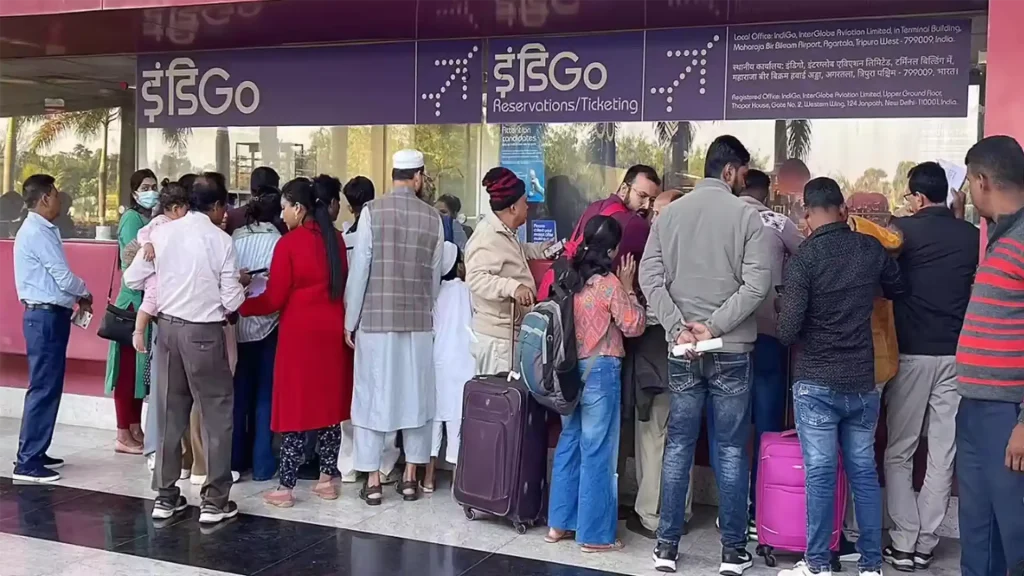
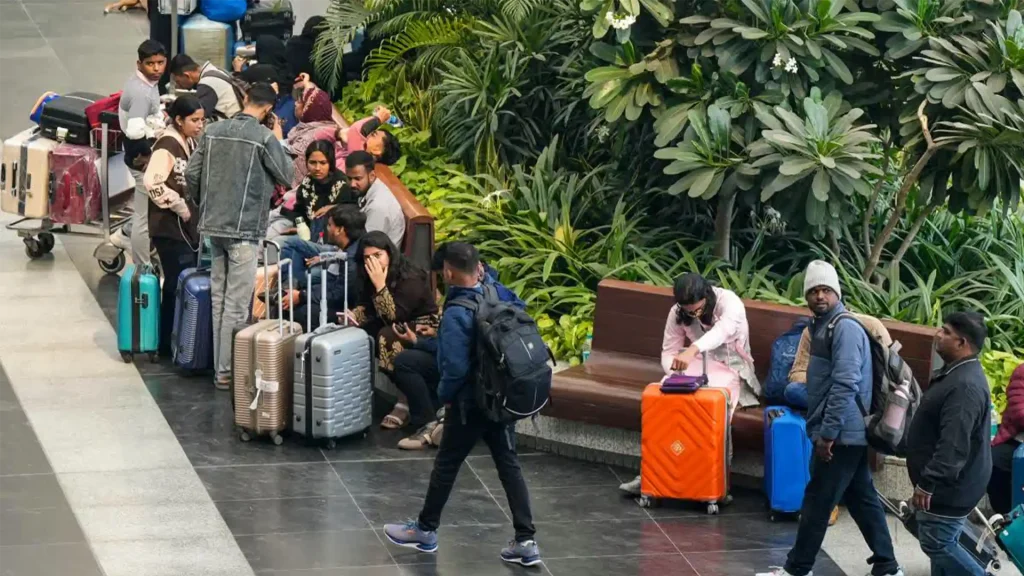
Public dissatisfaction grew sharply throughout the week as thousands of travellers remained stuck at airports across India and abroad. Reports highlighted numerous personal hardships: several passengers were unable to reach significant life events such as weddings, funerals, job interviews, and medical appointments. Some individuals lost professional opportunities, while others missed crucial international connections. One entrepreneur shared a widely circulated post expressing anguish that her relatives and siblings could not attend her father’s funeral due to repeated cancellations and long delays.
Government officials acknowledged the widespread frustration, emphasising the need for corrective action. India’s civil aviation minister confirmed that an investigative committee has been established to examine the sequence of failures, identify procedural lapses, and assign responsibility where necessary. Additionally, a parliamentary panel is preparing to question senior IndiGo executives to determine whether operational decisions, staffing issues, or policy mismanagement contributed to the crisis.
Further expansion for depth and clarity
Aviation experts have commented that the situation highlights long-standing concerns about workforce shortages, increasing passenger loads, and the need for more resilient scheduling systems. They argue that while the revised FDTL guidelines aimed to protect pilots’ wellbeing, their sudden enforcement created operational strain for airlines still struggling to recruit and train adequate crew members.
Passengers, meanwhile, continue demanding more transparency from airlines regarding schedule changes, compensation procedures, and real-time updates. Social media platforms saw a surge of videos and complaints showing overcrowded terminals, exhausted travellers, and long queues at service desks, prompting renewed discussions about passenger rights and airline accountability.
As the industry works to stabilise operations, authorities have urged airlines to adopt better crisis-response mechanisms and ensure they maintain sufficient manpower to handle peak-season travel. The government has also indicated it will review crew-rest policies, ticketing regulations, and airport infrastructure readiness to prevent similar incidents in the future.