Abu Dhabi is set to invest Dh240 billion in infrastructure projects over the next 7 to 10 years, aiming to enhance transportation, utilities, and urban development across the emirate.
Abu Dhabi plans to allocate Dh240 billion for infrastructure development over the next 7 to 10 years
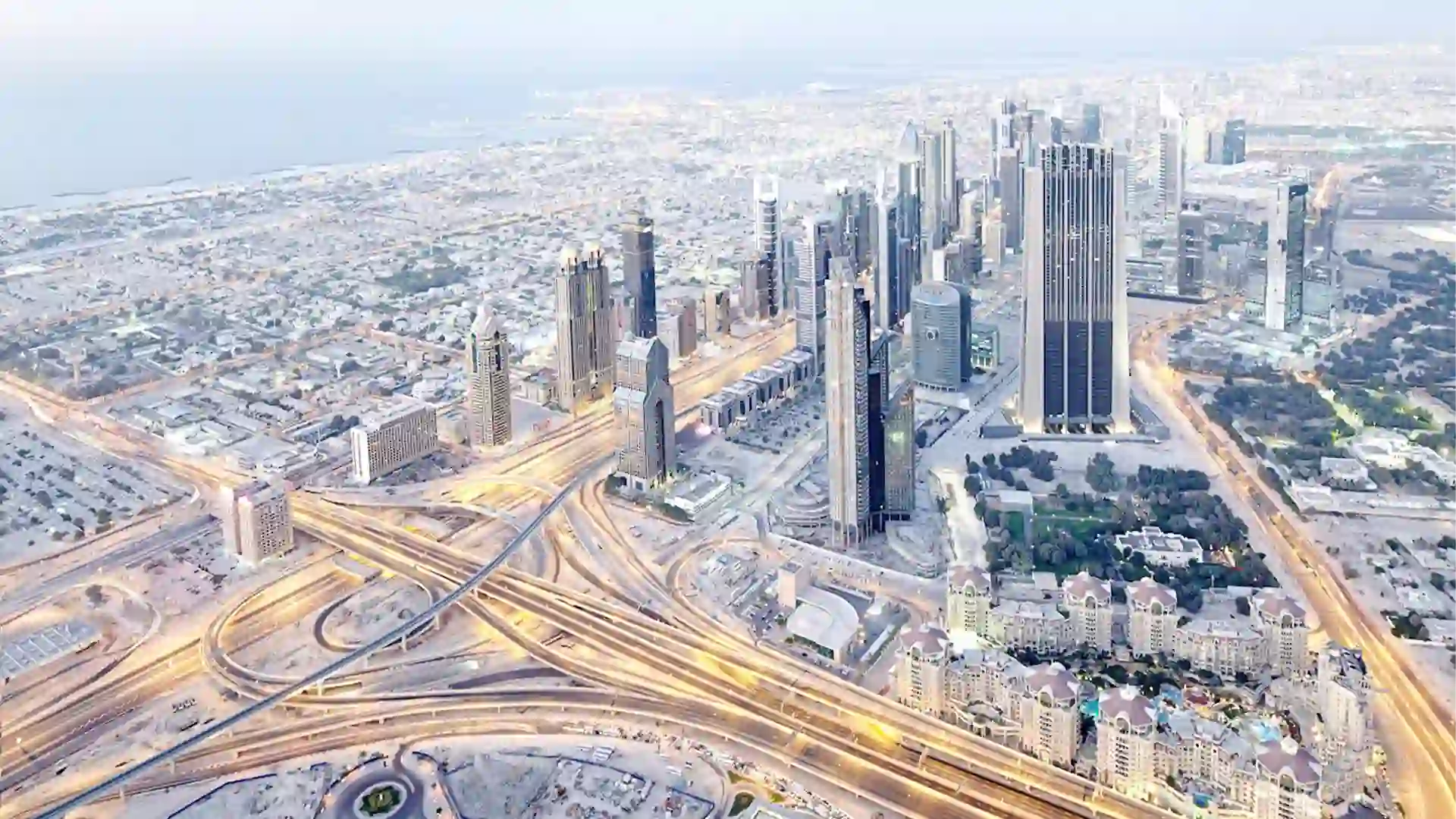
Abu Dhabi is set to invest Dh240 billion ($65.4 billion) in infrastructure development over the next several years, with private-sector participation playing a key role, as the emirate prepares for its population to double by 2040, a senior official revealed on Monday.
The planned investment is not limited to traditional construction projects; it spans multiple sectors, reflecting the broad impact of infrastructure on the overall economy. “Many people associate infrastructure solely with construction, but it influences a wide range of industries, including hospitality, healthcare, education, transportation, and more,” the official explained. By channeling significant resources into the development of these assets, the government aims to stimulate economic growth across diverse sectors, creating a multiplier effect that benefits the wider economy.
This ambitious infrastructure push will cover essential urban projects, such as roads, bridges, utilities, and public transportation systems, alongside developments in healthcare facilities, educational institutions, and hospitality and tourism infrastructure. The goal is to create a robust foundation that can support the emirate’s expected population growth and sustain long-term economic diversification.
Private-sector involvement is expected to accelerate project delivery and introduce innovation, efficiency, and expertise into large-scale developments. Partnerships between the government and private enterprises are anticipated to play a pivotal role in transforming Abu Dhabi into a modern, sustainable, and highly connected urban hub.
Overall, this massive investment reflects Abu Dhabi’s strategic vision of fostering economic resilience, improving quality of life, and positioning itself as a global centre for commerce, tourism, and innovation. By focusing on integrated infrastructure development, the emirate aims to generate lasting benefits that extend well beyond construction, shaping the economy and society for decades to come.
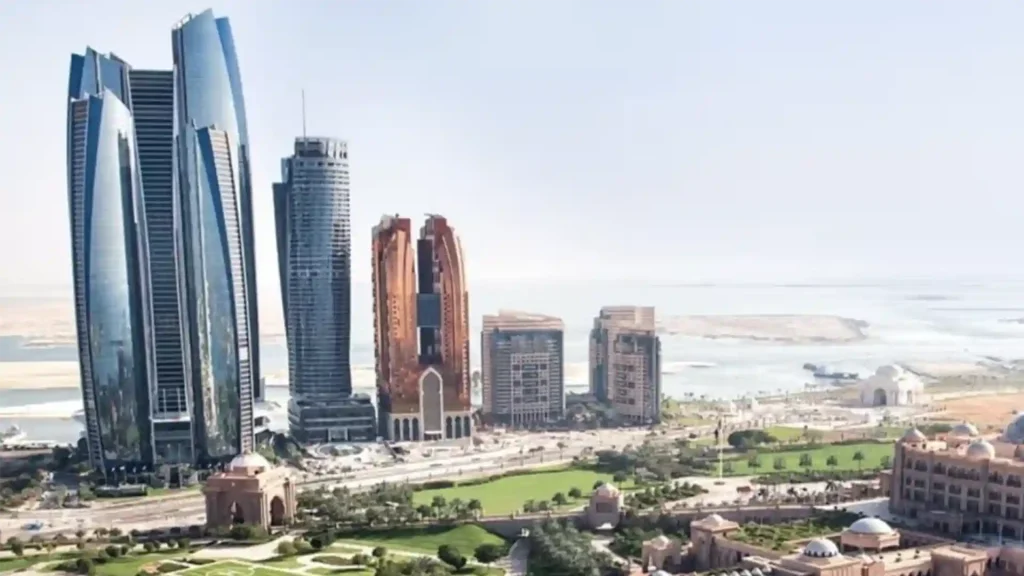

Abu Dhabi plans to invest Dh240 billion ($65.4 billion) in infrastructure over the coming years, with a significant role for private-sector participation, as the emirate prepares for its population to double by 2040, according to a senior official.
The official emphasized that infrastructure goes beyond mere construction. “Infrastructure impacts many sectors such as hospitality, healthcare, education, transportation, and more. When the government makes substantial investments in developing these assets, it creates a multiplier effect that stimulates economic activity across multiple industries,” he said.
The funding will support a wide range of projects, including transportation networks, utilities, and public services, alongside healthcare facilities, schools, and hospitality and tourism infrastructure. These developments aim to provide a solid foundation to accommodate the projected population growth and ensure sustainable economic diversification.
Private-sector involvement is expected to bring efficiency, innovation, and expertise to the projects, speeding up implementation while fostering public-private collaboration. These partnerships are seen as vital for transforming Abu Dhabi into a modern, sustainable, and highly connected city.
Overall, this large-scale investment reflects Abu Dhabi’s long-term vision to enhance economic resilience, improve quality of life, and strengthen its position as a global hub for business, tourism, and innovation. By focusing on integrated infrastructure development, the emirate aims to deliver benefits that extend far beyond construction, driving growth and shaping a sustainable and prosperous future for decades ahead.