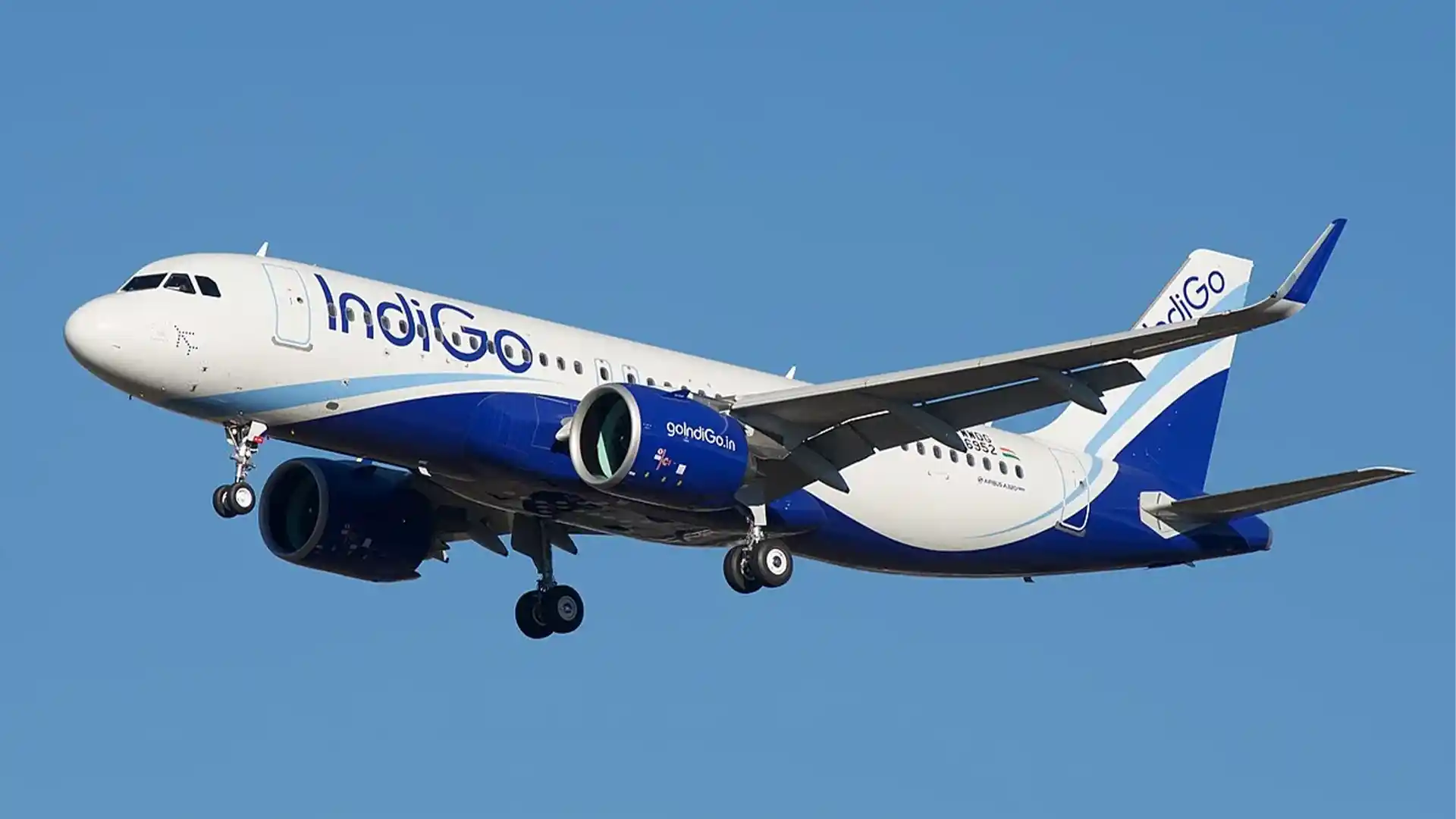
IndiGo has announced a suspension of all domestic flights at Delhi Airport and 104 flights at Mumbai Airport, with the cancellations remaining in effect until midnight on December 5.
IndiGo Suspends All Domestic Flights at Delhi and 104 at Mumbai Airports Until Midnight on December 5.
Travelers at several major Indian airports faced significant disruptions on Friday, December 5, as IndiGo, one of the country’s largest airlines, announced a series of flight cancellations. These cancellations affected a wide range of domestic routes, impacting both departures and arrivals across key hubs, including Delhi and Mumbai. The sudden announcement led to considerable confusion among passengers, many of whom had made travel plans in advance and were forced to reconsider their schedules.
Delhi Airport, one of the busiest in the country, confirmed the disruptions through an official advisory posted on the social media platform X. In the message, the airport clarified that all IndiGo domestic flights departing from Delhi on December 5, 2025, would be cancelled until 11:59 pm. The statement emphasized that these cancellations applied exclusively to IndiGo, and flights operated by other carriers were expected to continue as per their scheduled timings. Airport officials urged passengers to check with their respective airlines before arriving at the airport to avoid unnecessary delays or inconvenience.
The announcement highlighted the scale of the disruption, as IndiGo operates hundreds of domestic flights daily from Delhi and other major cities. The airline’s extensive network spans metropolitan areas, regional airports, and tier-2 and tier-3 cities, meaning that cancellations had a ripple effect on passengers traveling for business, education, and personal reasons. Many travelers were seen lining up at airline counters, seeking assistance to reschedule flights, request refunds, or explore alternative routes. Airport staff worked diligently to manage crowds and provide real-time updates on flight statuses, but the sudden nature of the cancellations added to the challenges of maintaining smooth operations.
Mumbai Airport was similarly affected, with 104 IndiGo flights cancelled until midnight. As a key financial and commercial hub, Mumbai sees a high volume of daily domestic travel, and the cancellations had a noticeable impact on passenger flow and ground operations. Travelers faced delays, long queues at help desks, and the task of contacting airlines to adjust their travel plans. Many passengers turned to digital platforms, including mobile apps and online customer service portals, in an effort to secure alternative flights or receive updates on their bookings.
The reasons behind the mass cancellations were not immediately detailed in the initial announcements, leading to speculation among passengers and travel industry experts. Factors such as operational challenges, crew shortages, technical issues, or weather-related disruptions are often cited as causes when airlines implement widespread cancellations. IndiGo, in line with standard industry practice, was expected to provide further clarification and guidance to affected passengers in the hours following the announcement.
Airport authorities emphasized that while IndiGo flights were affected, operations for other domestic and international carriers were largely unaffected. Passengers traveling with other airlines were advised to continue monitoring their flight schedules but were reassured that services were running normally. This distinction was critical in helping travelers plan their journeys, particularly those considering alternative carriers to reach their destinations.
The sudden cancellation of a large number of flights underlines the complex logistics involved in managing airline operations in India, where high passenger volumes, dense flight schedules, and infrastructural limitations can exacerbate disruptions. Experts noted that while cancellations are often unavoidable in cases of operational or safety concerns, timely communication and effective contingency planning are essential to minimize inconvenience to passengers.
Passengers affected by the cancellations were encouraged to contact IndiGo’s customer service centers, visit the airline’s official website, or use mobile applications for the latest updates. IndiGo was expected to assist with rebooking, refunds, or compensation in accordance with the airline’s policies and regulatory guidelines. In addition, airport staff and ground handling teams were mobilized to support stranded passengers, provide guidance, and ensure that the flow of travelers continued safely and efficiently despite the disruptions.
In summary, the widespread cancellation of IndiGo domestic flights on December 5, 2025, led to significant challenges for passengers and airport authorities alike. While Delhi and Mumbai airports were most heavily impacted, travelers across the country experienced delays, changes in itineraries, and the need to seek alternatives. Officials urged passengers to remain patient, stay informed through official communication channels, and plan accordingly to navigate the disruptions. This event highlights the importance of effective communication between airlines, airports, and passengers to manage unforeseen operational challenges in one of the world’s busiest aviation markets.
Delhi Airport has stepped forward to address the disruptions caused by IndiGo’s widespread flight cancellations on December 5, providing reassurance to passengers and outlining the measures being taken to manage the situation. Officials emphasized that on-ground teams are working tirelessly with airline partners, ground handling services, and support staff to minimize inconvenience and ensure that passengers continue to receive a comfortable and safe experience despite the unexpected cancellations. The airport highlighted that staff were actively assisting passengers in navigating the terminals, locating help desks, and obtaining the latest flight updates.
For travelers requiring medical support, Delhi Airport advised that dedicated resources are available across the terminals. Passengers in need of immediate assistance can approach ground staff or visit specific medical facilities within the airport. These include the Self-Medication Room located in Terminal 3 Domestic Pier Junction, which is equipped to provide basic medical care and support. Terminal 2 also features a Post-Security Self-Medication Room, where passengers can access essential medical services after clearing security. In addition, the Departure Medical Centre at Terminal 1 provides further medical support for passengers experiencing health issues while navigating the airport. The airport’s advisory emphasized that these services are staffed by trained medical professionals and are available to ensure that no passenger faces additional stress or risk due to health concerns during the ongoing disruptions.
The cancellations have not been limited to Delhi alone. Other major airports across India have reported similar disruptions as IndiGo seeks to manage operational challenges. At Chennai Airport, for instance, the airline announced that all domestic departures scheduled until 6 pm on December 5 were cancelled. According to reports from the Press Trust of India, this decision was communicated to passengers through official airline channels and airport announcements, prompting many travelers to seek alternative arrangements, reschedule flights, or explore options with other carriers. Passengers at Chennai Airport faced long queues at customer service counters and help desks as staff worked to accommodate the large number of cancellations and provide timely guidance on rebooking procedures.
Mumbai International Airport has also been heavily affected by IndiGo’s operational disruptions. According to reports from ANI, up to 104 flights scheduled on December 5 were cancelled. The cancellations at one of India’s busiest aviation hubs have created a significant ripple effect, impacting travelers across the country. Passengers traveling to and from Mumbai have been advised to check their flight status in advance, contact IndiGo’s customer support, and consider alternative airlines or travel arrangements where possible. Airport staff, along with ground handling teams, have been deployed to assist passengers with inquiries, manage crowd control, and provide information about rebooking, refunds, and compensation policies.
The impact of these cancellations extends beyond the immediate inconvenience to passengers. IndiGo operates one of the largest domestic networks in India, and disruptions to its schedule affect connecting flights, regional air travel, and even international connections. Many travelers were seen adjusting their itineraries on short notice, booking alternative flights, or arranging accommodations while awaiting the resumption of services. The cancellations also place pressure on airport operations, as ground teams coordinate logistics for baggage handling, gate management, and passenger communication amidst an unusually high volume of inquiries.
Authorities and airline officials have emphasized the importance of staying informed through official communication channels. Passengers are encouraged to monitor IndiGo’s website, mobile app, and airport announcements to receive the latest updates regarding flight status. Customer service centers, both online and at the airport, have been instructed to provide detailed assistance, including guidance on rescheduling flights, issuing refunds, and processing compensation claims in line with regulatory requirements. The airport and airline teams are also coordinating closely to ensure that passengers with medical needs, disabilities, or other special requirements are given priority support throughout the disruption period.
The widespread cancellations on December 5 underscore the challenges inherent in managing large-scale airline operations in India, particularly during periods of high passenger demand and complex logistical coordination. Whether due to operational constraints, crew availability, or unforeseen technical issues, the disruptions have highlighted the critical role of effective communication, preparedness, and rapid response in maintaining passenger safety and satisfaction. While IndiGo works to restore normal operations, airport authorities are focused on minimizing the inconvenience to travelers and ensuring that essential services, including medical support, continue to operate efficiently.
In summary, the IndiGo flight cancellations on December 5 have created significant challenges at major Indian airports, including Delhi, Mumbai, and Chennai. While the airline manages operational disruptions, airports have mobilized extensive on-ground support to assist passengers, provide medical care, and maintain safety and comfort. Travelers are advised to remain updated through official sources, plan their journeys carefully, and utilize the available support services to navigate the ongoing disruptions. Despite the difficulties, the coordinated efforts of airline staff, airport authorities, and ground personnel aim to ensure that passenger needs are addressed promptly and efficiently during this period of significant operational disturbance.
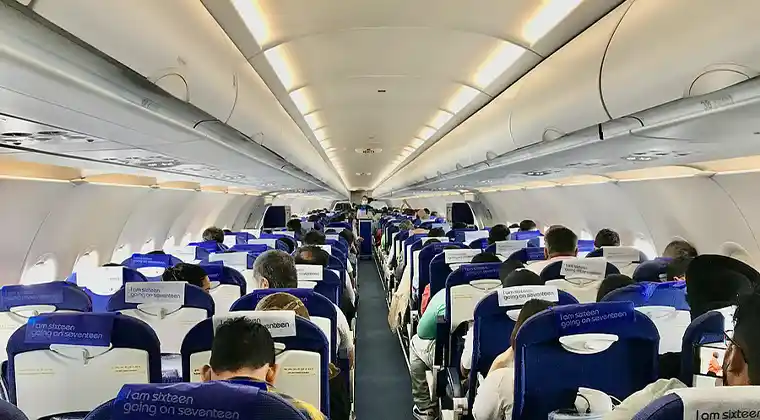
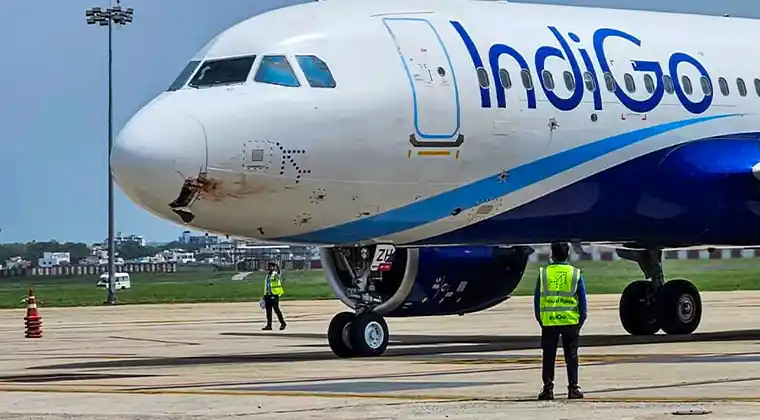
Travelers across India faced widespread disruption on Friday, December 5, as IndiGo, one of the nation’s largest airlines, cancelled a significant number of domestic flights, creating a challenging situation for passengers and airport authorities alike. Early in the day, Delhi Airport confirmed that 225 IndiGo flights originating from the capital’s hub had been cancelled since the morning. This announcement was accompanied by an official advisory issued on the social media platform X, alerting travelers to the operational difficulties affecting the airline and warning that both delays and cancellations were expected. The advisory aimed to inform passengers in advance, encouraging them to verify their flight status and plan accordingly to minimize inconvenience.
The scale of the cancellations was unprecedented for a single day, impacting both departures and arrivals at major Indian airports, particularly Delhi, Mumbai, and Chennai. The disruptions resulted in significant delays, leaving thousands of travelers uncertain about their travel plans. Flights scheduled from Delhi Airport, a key hub connecting the capital with cities across India, were among the most affected. Many travelers reported long queues at check-in counters and customer service desks, seeking clarification on rescheduling options, refunds, and alternative flights. The sudden nature of the cancellations meant that passengers had to quickly adjust plans, sometimes booking flights with other carriers or altering connecting itineraries to avoid further delays.
The operational challenges faced by IndiGo on December 5 were widespread. According to reports from ANI, more than 500 IndiGo flights were cancelled across India on the day, affecting cities from north to south, including major metros and regional destinations. The cancellations disrupted not only passenger schedules but also the broader logistics of airport operations. Ground staff at affected airports worked tirelessly to manage baggage handling, gate assignments, and passenger flow, all while ensuring safety protocols were maintained. This large-scale disruption highlighted the complex nature of airline operations, where a single operational issue can have cascading effects across multiple airports and flight networks.
At Delhi Airport, officials stressed the importance of proactive communication and passenger assistance during the ongoing disruption. The airport urged travelers to contact their airline directly before leaving home to confirm the status of their flights, thereby avoiding unnecessary travel to the terminal. For passengers already at the airport, staff were deployed across terminals to provide guidance, manage queues, and assist with rebooking and refund procedures. The airport also ensured that medical facilities were available for travelers in need of support, including self-medication rooms in Terminals 2 and 3 and the Departure Medical Centre in Terminal 1. These facilities were staffed with trained personnel to provide basic medical care to passengers, particularly those who might have been stressed or fatigued due to flight delays or cancellations.
The impact of the IndiGo cancellations extended far beyond Delhi. Mumbai International Airport, a key hub for both domestic and international travel, saw up to 104 flights cancelled on the same day. This disruption affected a high volume of travelers, including business commuters, students, and leisure travelers. Airport authorities worked closely with airline staff to provide information on rebooking options, manage the flow of passengers, and maintain security and operational efficiency despite the high number of affected flights. At Chennai Airport, all departing IndiGo flights until 6 pm were cancelled, according to reports from the Press Trust of India. Travelers faced long waits at airline counters, and the airport’s ground teams coordinated with airline representatives to provide timely updates and assistance.
The reasons for the widespread cancellations were not immediately clarified in the initial advisories, leading to speculation about potential operational challenges. Experts suggest that factors such as crew shortages, technical issues, or logistical constraints may have contributed to the disruptions. Weather-related factors, while not reported as a major cause on this particular day, are often a consideration in airline scheduling and can exacerbate existing operational difficulties. Regardless of the specific cause, the cancellations underscored the importance of flexibility and contingency planning in aviation, both for airlines and passengers.
For travelers affected by the cancellations, the situation required a high degree of adaptability. Many passengers were forced to make last-minute adjustments, whether by contacting IndiGo’s customer support, exploring alternative flights with other carriers, or rearranging connecting travel plans. Digital platforms, including airline websites and mobile applications, played a crucial role in providing real-time updates on flight status, allowing passengers to stay informed and make decisions quickly. Social media platforms also served as an important channel for disseminating information, with airports and airlines posting advisories, updates, and guidance for affected travelers.
The widespread cancellations also had ripple effects beyond individual passengers. Businesses relying on timely air travel for meetings or deliveries experienced delays, and the travel industry, including taxi and ride-hailing services, faced increased demand from passengers adjusting plans or seeking alternatives. Hospitality services, including hotels near airports, reported increased inquiries as travelers sought accommodations due to unexpected overnight delays. The disruptions highlighted the interconnected nature of modern travel and the broader economic implications when a major airline experiences operational challenges on a large scale.
In response to the situation, airport authorities emphasized the importance of staying informed through official communication channels. Passengers were advised to check flight status via airline websites, apps, or direct customer service lines, rather than relying solely on third-party sources. IndiGo was expected to provide assistance with rebooking, refunds, and compensation in accordance with regulatory guidelines, and airports coordinated with airline staff to ensure that passengers requiring special assistance, such as medical support or accessibility services, received priority attention.
In summary, the IndiGo flight cancellations on December 5, 2025, created widespread disruption across India’s major airports, including Delhi, Mumbai, and Chennai. With over 500 flights cancelled nationwide, travelers faced delays, changes in itineraries, and the need to adapt quickly to unforeseen challenges. Airport authorities and airline staff mobilized extensive support, including rebooking assistance, medical care, and real-time updates, to mitigate the impact on passengers. The event underscored the importance of communication, preparedness, and flexibility in managing large-scale disruptions in the aviation sector, highlighting the collaborative effort required between airlines, airports, and passengers to navigate complex operational challenges effectively.