Many people across the UAE are increasingly relying on their pets for emotional support, finding comfort and stability from their animals as they navigate grief, stress, and growing mental health pressures.
UAE residents turn to pets for comfort amid grief and rising mental health challenges.
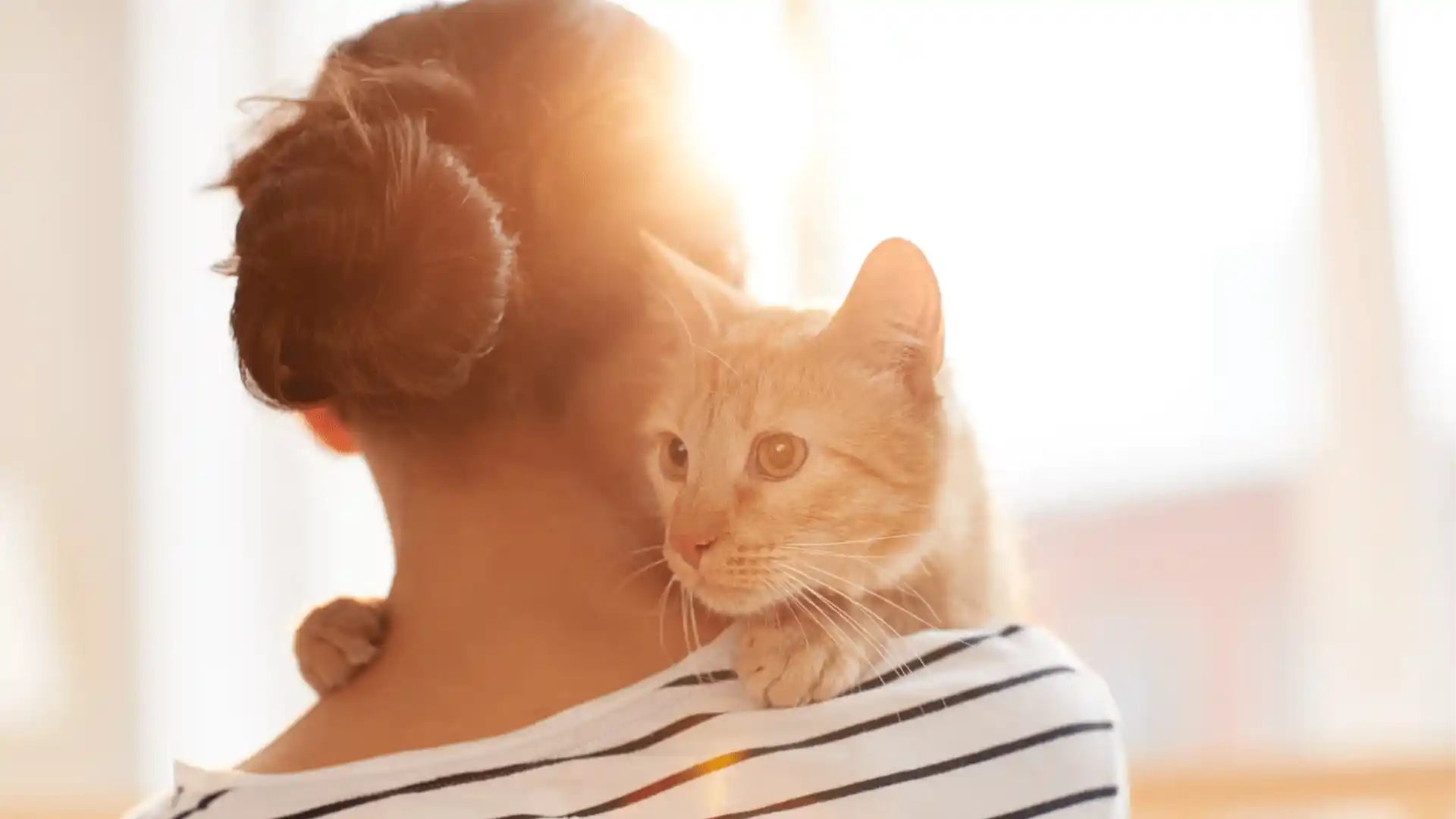
For Dubai resident Maya (name changed for privacy), life took an unexpected turn in 2024 when she lost her father suddenly. The shock of the tragedy was overwhelming, and the grief left a deep emotional wound that she struggled to process. In the months that followed, she experienced a steep decline in her mental well-being. Sleepless nights became routine, and the anxiety that crept into her days often erupted into full-blown panic attacks. What had once been a stable and fulfilling life now felt unrecognizable. Even simple tasks required immense effort, and Maya found herself sinking into what felt like an ever-deepening emotional void. She struggled to hold on, unsure of how to regain control over her mental state.
During this dark period, a close friend approached her with an unexpected request: would she be willing to take care of their dog for a month while they travelled? At first, Maya hesitated. She felt drained and questioned whether she had the energy or emotional space to look after another living being. But something—perhaps a desire for change or simply curiosity—made her say yes.
The dog, a gentle and affectionate companion, arrived at her apartment a few days later. From the moment he entered her home, something in the atmosphere shifted. The apartment, which for months had felt empty and heavy, suddenly seemed warmer and more alive. For the first few days, Maya watched the dog with cautious interest, unsure of what to expect. But gradually, she found her routine adapting to the animal’s presence. She began waking up earlier to take him for walks, stepping outside for fresh air instead of staying curled up in bed. Having a living creature depend on her created a subtle but powerful motivation to move, to try, and to re-engage with the world.
Maya describes those first interactions as unexpectedly healing. “Just having another living being in my space changed things,” she recalls. The dog seemed to sense the emotional weight she carried. Whenever her thoughts began spiraling into panic or despair, he would quietly lie beside her, his head resting gently on her lap. His steady breathing, warm presence, and unwavering companionship gave her a sense of grounding she had not felt in months.
There were times when Maya would suddenly wake up at night in the throes of anxiety, her heart racing and her mind running through clouds of fear. Each time, the dog would come closer, nudging her hand or curling up beside her until she could breathe again. “It was as though he understood,” she says. “I don’t know how to explain it, but he had this calming effect. He made me feel less alone.”
The simple acts of caring for the dog—feeding him, taking him for walks, playing with him—became small therapeutic rituals. In attending to his needs, she slowly began to reconnect with her own. Routine returned to her life, even if gently. The sound of paws padding across the floor, the sight of a wagging tail, and the joyful greeting she received when she returned home began to soften the emotional fog that had clouded her mind.
Within a month, Maya noticed a marked shift in her mental state. Her sleep improved slightly, her panic attacks became less severe, and for the first time since her father’s passing, she found moments of genuine comfort. These small but meaningful improvements fueled her determination to continue healing. “I had spent so long feeling like the sadness would swallow me,” she admits, “but having him around showed me that I could feel differently, even if just a little.”
What surprised Maya the most was how the dog’s presence helped her navigate the silence of her home—once a constant reminder of her loss. Instead of the oppressive quiet, she began hearing gentle movements, playful sounds, and the reassuring presence of a companion who asked for nothing more than affection and care. The loneliness that had been so suffocating began to loosen its grip.
When the month ended and her friend returned to take the dog back, Maya felt a mix of gratitude and sadness. The temporary companionship had given her something precious: an opening, a reminder that healing was possible, and that comfort could come from unexpected places. The experience left such a profound impact on her that she began exploring the idea of adopting a pet of her own.
Reflecting on her journey, Maya says the dog did more than keep her company; he helped anchor her emotionally during one of the darkest periods of her life. His presence offered solace without judgment, affection without expectation, and companionship without pressure. In the quiet moments they shared, she found a sense of emotional safety she had been missing since her father’s passing.
Her story is a powerful reminder of the healing connection between humans and animals—how even a short time spent with a pet can ease emotional burdens, soften grief, and gently guide someone back toward stability, hope, and connection.
Dr. Walid Shaaban, the CEO of Emirates Zoo Park and Resort (EZPR), emphasises that animals have an extraordinary ability to support people emotionally, often becoming invaluable companions for individuals facing stress, grief or mental strain. He explains that animals create an environment of comfort simply through their steady presence. Unlike humans, who may sometimes react with opinions, expectations or judgment, animals interact with people in a neutral, uncritical manner.
This consistent, accepting behaviour can ease emotional tension and help individuals feel safe expressing their feelings. Dr. Shaaban notes that many people experience heightened anxiety or sensory overload in moments of distress, and the calm, predictable nature of animals can counterbalance these reactions. Their presence can act as a grounding force, helping individuals regulate overwhelming emotions and reduce the severity of anxious episodes.
He adds that whether it is stroking a pet, observing animals in a peaceful environment or simply having a creature nearby, these interactions can trigger a sense of relaxation and stability. For some individuals, this bond becomes a key part of their emotional coping strategy. Animals offer companionship that feels unwavering, stable and comforting—qualities that are often deeply needed when navigating challenging mental or emotional circumstances.
By providing this kind of steady and non-judgmental support, animals can play a significant role in helping people maintain mental balance and feel less isolated. Dr. Shaaban believes that this inherent ability of animals to soothe and reassure is one of the reasons why pet ownership and animal-assisted programmes are becoming increasingly recognised for their contributions to emotional well-being.
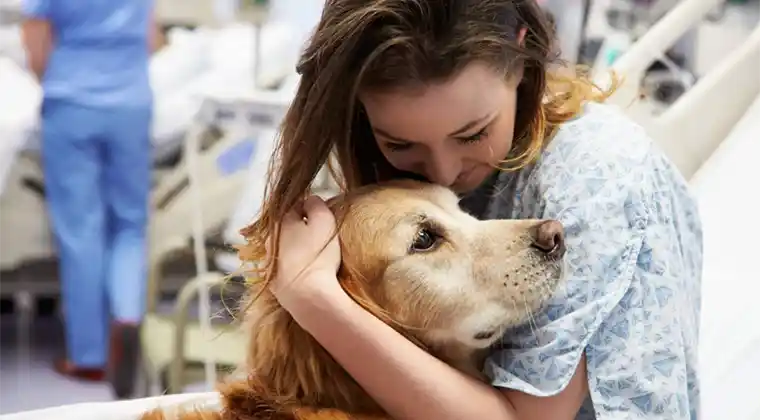
Dr. Shaaban’s perspective on the emotional benefits of animals is echoed by several other professionals who work closely with both pets and people. Among them is Dr. Luisa Coelho, Clinical Director at The Cat Vet in Dubai, who says she has repeatedly witnessed in her clinic what scientific literature has confirmed for years: pets can profoundly influence a person’s emotional and psychological well-being.
Drawing from her day-to-day experience treating cats and supporting their owners, Dr. Coelho explains that the human–animal bond goes far beyond simple affection. “I see it all the time,” she says. “People come into the clinic visibly stressed or overwhelmed, but the moment they interact with their pet — even while the animal is waiting to be examined — you can often notice their tension easing almost immediately.” This observation aligns closely with findings from numerous clinical studies showing that even short periods of pet interaction can trigger measurable physiological changes.
She elaborates further that connecting with an animal can help regulate the body’s stress response. Research has shown that petting or simply sitting beside an animal can lead to reductions in cortisol, the hormone associated with stress and anxiety. At the same time, the body releases oxytocin, commonly known as the “bonding hormone,” and serotonin, which plays a major role in stabilizing mood and promoting a sense of well-being. These hormonal shifts can create a calming effect, making individuals feel safer, more grounded, and emotionally supported.
According to Dr. Coelho, this biological response is one reason why pets can be especially beneficial for individuals dealing with ongoing emotional challenges. “People suffering from depression, trauma, chronic stress, or even prolonged periods of loneliness often find that an animal’s companionship brings something unique to their healing process,” she explains. While loved ones, friends, and therapists each play a role in emotional recovery, pets provide a different kind of support — one that is steady, unconditional, and free of judgment.
She points out that pets often introduce elements into a person’s life that are essential for mental stability. One of these is structure. “Daily care routines — feeding, grooming, cleaning, walking — become small anchors in a person’s day,” she says. When someone is experiencing deep sadness or emotional fatigue, having responsibilities linked to another living being can gently encourage them to maintain movement, consistency, and purpose. For many individuals, this is incredibly stabilizing. It prevents the isolation and stagnation that often accompany depressive episodes and encourages a return to small but meaningful habits.
Another crucial benefit is the sense of responsibility that comes with looking after a pet. Caring for an animal builds a connection based on mutual dependence, and this can significantly shift a person’s emotional landscape. “Pets depend on us,” Dr. Coelho notes. “Knowing that a cat or dog relies on you for care, comfort, and companionship can help individuals redirect their focus away from internal distress and toward something nurturing and grounding.” This sense of being needed can help counter feelings of hopelessness or purposelessness that often accompany mental health struggles.
In addition to structure and responsibility, pets also bring companionship that is deeply meaningful. Many people experiencing grief, anxiety, or trauma struggle with forming or maintaining social connections. In such cases, animals offer a safe emotional space. They respond without criticism, without complex expectations, and without the emotional demands humans sometimes impose on each other. Dr. Coelho emphasizes that this kind of companionship can be profoundly healing. “For many people, especially those going through a difficult period, pets provide a type of emotional closeness that feels natural and soothing,” she says.
She recalls meeting many clients who adopted pets during difficult chapters of their lives — periods marked by loss, major transitions, or emotional instability. In many of those cases, she observed how caring for the pet gradually helped these individuals regain emotional resilience. Cats curling up next to their owners during periods of sadness, purring softly when sensing emotional distress, or simply offering their presence during quiet evenings at home often became moments of genuine comfort for their humans.
The clinical director adds that the healing effect of a pet does not always stem from dramatic emotional displays but often from the quiet reliability of their presence. For individuals dealing with trauma, the predictability of a pet’s behaviour can create a sense of safety missing in other parts of their lives. In the case of chronic stress, the companionship of an animal can offer small, daily moments of joy — a playful gesture, a warm cuddle, or a simple greeting when someone arrives home after a long day.
From her perspective, pets act as silent emotional balancers, unintentionally teaching people patience, empathy, and mindfulness. Caring for a pet encourages individuals to slow down, be present, and stay attuned to another creature’s needs — habits that often spill over into better emotional regulation in daily life.
Overall, Dr. Coelho believes that the mental health benefits of pets go beyond anecdotal experiences. They represent a powerful intersection between biology, psychology, and the innate need for connection. In her work in Dubai, she continues to witness the transformative impact animals have on their owners — proof that for many individuals, pets provide far more than companionship. They offer stability, comfort, and an emotionally grounding presence during life’s most challenging moments.
Growing Popularity of Animal-Assisted Therapy
The growing body of evidence showing how deeply animals can influence human emotional well-being has led many psychologists, counsellors, and clinical specialists to increasingly recommend animal-assisted therapy as part of mental-health treatment. What was once considered an unconventional approach is now becoming a recognised therapeutic intervention, especially as more practitioners witness firsthand how interacting with animals helps individuals manage stress, regulate emotions, and feel more grounded.
Dr. Luisa Coelho explains that certain animals naturally lend themselves to therapeutic settings because of their temperament and their ability to respond to human cues. Among these, dogs remain the most widely used in therapy programmes. Their sociable nature, desire to bond, and remarkable ability to sense emotional distress allow them to form quick, meaningful connections with individuals. Dr. Coelho notes that trained therapy dogs often approach people gently, adjust their behaviour based on what someone is feeling, and provide comfort simply by being physically present.
Although dogs dominate most animal-assisted settings, cats are increasingly gaining recognition as valuable emotional-support companions, especially in clinical environments. Dr. Coelho highlights that cats, despite being more independent in nature, can offer deep emotional comfort. Their calm demeanour, gentle purring, and steady companionship make them particularly effective for individuals who may find overly energetic animals overwhelming. Cats tend to build trust slowly, creating a soothing environment for individuals who benefit from quiet, predictable, and non-intrusive interactions.
In addition to cats and dogs, Dr. Coelho points to the growing use of equine-assisted therapy, where horses are integrated into treatment programmes. Horses bring a unique therapeutic value due to their size, sensitivity, and ability to mirror human emotions. Activities such as grooming, guiding, or riding a horse can help individuals build confidence, become more aware of their emotions, and develop a sense of control and connection. The large, gentle presence of a horse often helps clients confront anxiety, build trust, and overcome emotional barriers in ways traditional therapy may not achieve alone.
Adding to this perspective, Carolyn Yaffe, Counsellor and Cognitive Therapist at Medcare Camali Clinic, highlights the profound impact animal-assisted therapy can have on neurodivergent individuals. She explains that people on the autism spectrum, in particular, often thrive in environments where structure, predictability, and non-verbal connection are present. Animals can offer all three.
Yaffe notes that many autistic individuals feel more comfortable when routines are clear and the environment is emotionally safe. Therapy animals naturally contribute to creating such an atmosphere. Their steady presence reduces overstimulation and helps regulate sensory input. By engaging with animals, autistic individuals may find it easier to express themselves, remain calm, and stay emotionally anchored.
She adds that animals offer companionship that is free from judgment, expectations, or social complexities—making them ideal therapeutic partners for individuals who struggle with traditional forms of communication. A therapy dog leaning gently against an anxious child, a cat curling up beside someone feeling overwhelmed, or a horse responding calmly to a rider’s emotions can be deeply healing interactions.
Through these various approaches—whether canine, feline, or equine—animal-assisted therapy is proving to be a powerful complement to mental-health care, offering emotional relief, sensory stability, and a safe space for expression to a wide range of individuals.

At Emirates Zoo Park and Resort (EZPR), a dedicated therapeutic initiative has been developed to help neurodivergent individuals engage with animals in a safe, supervised, and purposeful environment. The programme is designed to introduce participants to specially trained “animal ambassadors,” creating opportunities for gentle, structured interactions that support emotional and sensory well-being. These sessions are arranged to ensure that participants feel secure, comfortable, and in control, allowing them to build trust gradually and at their own pace.
Dr. Walid explains that one of the most valuable aspects of incorporating animals into therapy is the way they naturally remove the pressure that often accompanies human social engagement. Many neurodivergent individuals—especially those on the autism spectrum—can find certain forms of social communication overwhelming. Understanding facial expressions, interpreting tone of voice, making eye contact, or responding to sudden emotional shifts can feel confusing or exhausting.
Animals, however, offer a very different type of interaction. They do not require verbal responses, emotional interpretation, or social performance. Their behaviour tends to be steady and free of hidden expectations, which creates an environment that feels simpler and more manageable. Because animals are consistent and non-judgmental, individuals can engage with them without fear of miscommunication or social mistakes.
According to Dr. Walid, this predictability is often what makes sessions with animals so calming. Participants can stroke, observe, or simply sit beside an animal without needing to interpret complex cues. This reduction in social pressure helps many individuals feel more grounded and emotionally regulated. Over time, these interactions can build confidence, reduce sensory overload, and offer a sense of connection that is soothing and deeply affirming.
Dr. Walid elaborated on how the zoo’s therapeutic programme tailors each session by thoughtfully pairing individuals with specific animals. He explained that this matching process is far more intricate than simply choosing a friendly animal; it involves a careful assessment of the participant’s sensory needs, emotional requirements, and personal comfort levels, alongside a detailed understanding of each animal’s temperament and behavioural patterns. The intention is to create a space where both the person and the animal can interact comfortably, safely, and meaningfully.
According to him, the process begins with a thorough evaluation of the individual’s sensory profile. Some participants are highly sensitive to touch, sound, or movement, while others may seek tactile input or benefit from gentle, rhythmic interactions. Understanding these sensory preferences is essential in determining the right type of animal and the right style of engagement. For instance, individuals who thrive in calm environments may be paired with quiet, slow-moving animals, whereas those who benefit from more dynamic sensory stimulation may do well with species that are active or visually engaging.
The next step is identifying the therapeutic goals for each person. Dr. Walid explained that animal-assisted sessions can be used to support a wide variety of developmental and emotional needs. For some, the priority may be emotional grounding—creating a sense of calm and stability during overwhelming moments. Others may enter the programme hoping to improve communication, strengthen focus, or overcome fears. Certain animals naturally provide comfort and reassurance, while others may encourage confidence-building or support structured interaction, making goal alignment crucial to the pairing process.
He also highlighted that personal comfort and cultural considerations are central to every decision. Some individuals may feel uneasy around certain animals due to past experiences, phobias, or cultural preferences. Respecting these boundaries ensures that the therapy environment remains positive and empowering rather than stressful. The goal is never to push someone into discomfort but to help them grow at a pace that feels safe.
Beyond the needs of the individuals, the zoo places equal emphasis on the well-being of the animals involved. Dr. Walid emphasised that only animals with the right temperament, stable behaviour, and good health are selected for therapeutic interactions. Animals must be comfortable around people, tolerant of gentle touch or observation, and responsive to trained handlers. Any sign of stress, fatigue, or discomfort from the animal results in an immediate pause in sessions, ensuring that ethical standards remain uncompromised.
He noted that many participants do not require direct interaction to benefit from the programme. Some gain comfort simply by observing an animal’s movements or by being in the same space without physical contact. For these individuals, proximity-only or observational sessions can be just as therapeutic as hands-on engagement. Watching an animal behave naturally can provide a sense of calm, regulate emotions, and help individuals slow down mentally during periods of distress.
The environment in which the therapy takes place is another factor carefully assessed during the matching process. The team evaluates noise levels, crowd density, lighting, temperature, and available space, ensuring the setting is suitable for both the individual and the animal. Sensitive participants may require quieter environments with minimal stimulation, while others might respond well in more open or visually rich spaces. Creating a balanced atmosphere is critical to fostering a successful interaction.
Before final approval of any pairing, a series of safety measures must be met. Dr. Walid explained that every session is overseen by trained handlers who monitor both the participant and the animal. Risk assessments, welfare checks, and behavioural evaluations are mandatory. Only when all these factors align—personal needs, therapeutic goals, environmental compatibility, and animal welfare—does the zoo confirm the match.
Through this meticulous and compassionate approach, the programme ensures that every interaction is meaningful, therapeutic, and safe for all involved.
For Maya, the young Dubai resident who once found herself in the depths of emotional turmoil after losing her father, animals have become an unexpected anchor of stability and hope. What began as a temporary arrangement—looking after a friend’s dog during a difficult period—has evolved into a lifelong source of healing and purpose. She often reflects on how profoundly that one experience altered the course of her mental health. According to her, the simple presence of the dog in her home created a sense of warmth and reassurance during a time when everything else felt overwhelming or uncertain.
Today, Maya dedicates her free time to supporting animal welfare initiatives across the UAE. She volunteers at local shelters, helps with community adoption events, and takes in foster animals whenever she can. Her involvement is not just an act of kindness toward animals; she describes it as an ongoing part of her own recovery. The routine of caring for animals and the meaningful bonds that form in the process have brought a renewed sense of stability to her life.
She often says that she attributes much of her emotional recovery to the dog she looked after. “I genuinely believe he saved me at a time when I couldn’t save myself,” she shared. She remembers moments when panic or sadness felt unbearable, yet the dog would silently lie beside her, offering quiet reassurance without expecting anything in return. That non-verbal comfort played a central role in grounding her, helping her regain control over her spiralling thoughts.
Although the dog has since returned to his original home, Maya still maintains a close relationship with him. She makes a point to visit him weekly, describing these visits as moments of joy and gratitude. She believes the bond they formed during that month remains unbreakable. Every time she sees him, she feels a reminder of how far she has come.
Despite feeling emotionally ready to bring a permanent pet into her life, Maya has deliberately chosen not to rush into an adoption. She explains that she wants to make sure she is fully prepared for the long-term responsibilities that come with caring for an animal. Instead, she has found a fulfilling balance through fostering—providing temporary homes for animals in need. Fostering allows her to support the animal community while continuing to learn about different breeds, personalities, and care requirements.
Through these efforts, she has discovered a new sense of belonging. One unexpected but welcome outcome of immersing herself in the animal welfare world has been the friendships she has formed. Maya mentions that she has met many compassionate, like-minded individuals who share her passion for animals and understand the emotional bond that can form between humans and pets. These connections have become an important support network for her, offering companionship and understanding during moments when she still feels the weight of grief.
Being around animals, she says, has done more for her mental well-being than she ever imagined. The simple acts of feeding, grooming, walking, and comforting animals have brought a sense of purpose back into her daily life. She feels calmer, more patient, and more grounded. Her sleep has improved, her mood has stabilised, and she finds herself better able to manage moments of stress or sadness.
Maya now sees animals not just as companions, but as healers in their own right. She believes that her experience reflects the powerful emotional support that pets can offer, especially to individuals dealing with trauma, loss, or mental health challenges. “Animals don’t judge, they don’t question, they don’t ask you to explain yourself,” she says. “They simply exist beside you, and sometimes, that quiet presence is all you need.”
Today, she is committed to continuing her work with shelters and rescue groups, hopeful that one day she will find the perfect animal to adopt permanently. Until then, she is grateful for the opportunity to foster—both animals and healing—in her own life.