With rising demand for US visa appointments, UAE football supporters face the possibility of missing the 2026 Fifa World Cup unless they move quickly and submit their applications without delay.
US visa scramble: UAE fans may miss the 2026 Fifa World Cup if they don’t apply soon.
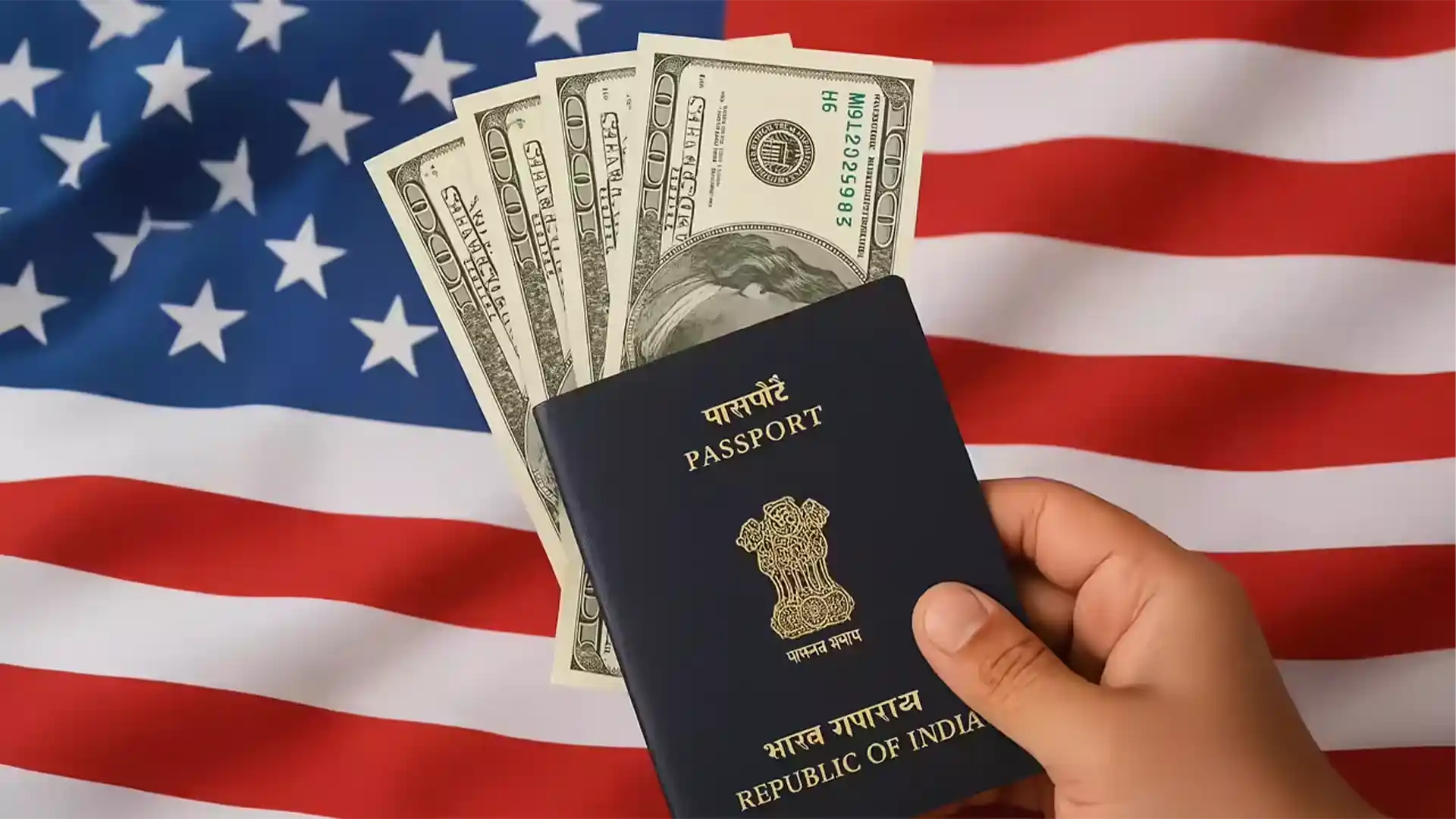
With excitement steadily building for the 2026 Fifa World Cup, football lovers across the UAE are already setting their sights on North America, eager to witness the spectacle firsthand. But for many, the dream of cheering from the stands in the United States could slip away if they fail to tackle one crucial step well in advance: securing a tourist visa. As the countdown to the tournament continues, travel specialists are sounding increasingly urgent alarms, stressing that anyone who hopes to travel should start preparing long before the opening match kicks off.
The United States is anticipating an extraordinary influx of international visitors, with millions expected to flood in for what will be the largest World Cup ever staged. Because of this, visa demand worldwide has surged at a pace rarely seen before. American embassies and consulates across multiple regions are grappling with long waiting lists, heavily booked schedules, and processing delays that stretch far beyond the norm. The UAE is no exception. Reports show that the number of visa applications submitted from within the Emirates has grown sharply this year, greatly exceeding past figures and placing additional strain on appointment availability.
For residents determined to be part of football’s greatest event, this situation leaves little room for hesitation. Travel planners and immigration consultants emphasize that even those who are accustomed to quick approval times should not assume the process will be smooth or predictable this time. The sudden rise in global travel demand—combined with heightened interest in attending the World Cup—means that appointment slots are filling up faster than ever. In some cases, applicants in other regions have already reported waiting months just to secure an interview date, not to mention the additional time required for processing after the interview takes place.
This is why professionals in the visa services industry are urging UAE residents to treat the application process as an immediate priority rather than a task that can be postponed to the following year. Among those voicing concern is Anastasia Yanchenko, CEO of The Visa Services, who has seen firsthand how quickly appointments disappear once demand spikes. She notes that many travelers underestimate how far in advance they should prepare for a major international event, especially one hosted by a country with strict entry requirements. According to Yanchenko, the safest strategy for football fans is to begin the visa process well before 2025 comes to a close.
In her view, applying early isn’t just advisable—it’s essential. Yanchenko highlights that waiting until the start of 2026 is a gamble that could easily backfire. The months leading up to the tournament are almost guaranteed to bring even greater pressure on US consular services, causing a backlog that could leave many applicants stuck without an approved visa as their travel dates approach. She emphasizes that even a minor delay in processing, which might seem insignificant now, could ultimately be enough to prevent someone from attending the World Cup after investing months of planning and possibly thousands of dirhams in tickets and travel arrangements.
Her message is clear: if fans want to secure their place in the stadiums of New York, Los Angeles, Dallas, or any of the other US host cities, they must act with urgency. Early preparation offers not only peace of mind but also the flexibility to deal with unexpected complications—whether it’s a request for additional documents, the need for rescheduling, or unforeseen administrative holdups. In contrast, a last-minute application leaves no room for error and increases the risk of missing out entirely.
For supporters across the UAE, the message from specialists is consistent: the World Cup may still seem far away, but the time to prepare is now. Whether applicants are first-time travelers to the US or frequent visitors, no one is exempt from the potential delays brought on by global interest in the event. Acting early ensures that fans can focus on experiencing the excitement of the tournament rather than navigating unnecessary stress.
Ultimately, the 2026 World Cup represents a once-in-a-generation opportunity. With more teams, more matches, and more host cities than any tournament before it, football enthusiasts don’t want to miss out because of paperwork. By taking steps today—long before the stadium lights turn on and the opening whistle blows—UAE residents can secure their chance to be part of football history rather than watching from afar.
Among the many fans in the UAE preparing for a trip to North America for the 2026 World Cup is football coach Blessing Rodney Mutsveta, who has long dreamed of experiencing the global tournament in person. For him, the event offers far more than stadium lights and star-studded line-ups; it represents a rare chance to witness the passion of African football on one of the world’s biggest stages. Mutsveta explained that he is especially looking forward to matches involving African teams, noting that seeing South Africa compete in the group rounds would be a highlight of his journey. He added that attending these games live—surrounded by fans from across the globe—would be an unforgettable experience and a personal milestone in his love for the sport. As a UAE resident deeply connected to African football culture, he hopes to cheer on his home continent from the stands rather than from afar.

At 37, Blessing Rodney Mutsveta has begun mapping out his journey to the United States for the upcoming World Cup, and at the top of his checklist is securing a visa. Although he is aware of the ongoing challenges surrounding US visa appointments, he intends to begin the application process as early as January. Mutsveta admits that even this timeline may not offer much of a cushion. He has heard numerous accounts from fellow travelers about lengthy waits for consular interviews, with some applicants in different countries encountering delays that extend for many months. “By the time January arrives, it might already feel like you’re behind,” he remarked, pointing out that interview queues can stretch close to a year in certain regions, depending on seasonal demand and post-pandemic backlogs.
Despite these uncertainties, the Zimbabwean coach refuses to let the prospect of long delays dampen his enthusiasm. For him, attending the World Cup is a lifelong dream, and he is determined to take every necessary step to make it happen. He is closely following updates from US immigration authorities and remains hopeful that the huge global attention surrounding the 2026 tournament will encourage embassies to increase their processing capacity. Mutsveta noted that the US government has already signaled plans to expand its visa-appointment availability, which gives him confidence that he will secure a slot if he acts quickly enough.
This optimism is echoed in official communication from American diplomatic missions in the region. According to representatives from the US Embassy in Abu Dhabi, preparations are already under way to handle the unprecedented surge in international travelers expected to attend the World Cup. Embassy officials confirmed that millions of visa interview appointments are being rolled out across consulates worldwide in anticipation of the major sporting event. The increased availability is designed to minimize waiting times and streamline the process for fans coming from all corners of the globe.
What may come as reassuring news to many anxious supporters—especially those rushing to finalize travel plans—is that the embassy has introduced a system of prioritization for individuals who hold official Fifa match tickets. This means that fans who have already purchased their seats for World Cup games will be given earlier access to appointment slots, significantly reducing the likelihood of running into the typical backlog that has frustrated many travelers in recent years. The goal is to ensure that genuine attendees are not denied entry merely because of administrative congestion.
This approach reflects a broader effort by US authorities to avoid the logistical challenges experienced during past large-scale events. With the United States, Canada, and Mexico jointly hosting the 2026 World Cup—the first edition with 48 teams—the number of international visitors is expected to far exceed traditional levels. Anticipating this influx, the US government has adopted a proactive strategy to keep the visa pipeline moving smoothly.
For applicants like Mutsveta, these reassurances offer a sense of relief. Although he knows that time is of the essence and that delays remain a possibility, he is committed to navigating the process with patience and persistence. His hope is that by starting early, monitoring embassy announcements, and preparing all required documents in advance, he will secure approval in time to cheer from the stands as the world’s best teams face off on American soil.
Apply for a US Visa Before the New Year
For anyone planning to travel to the United States in 2025 or 2026—especially fans hoping to attend the World Cup—one of the most important steps is securing a visa early. While the actual visa stamping process in Dubai is often straightforward once the interview is completed, the real challenge lies in obtaining an appointment date. At present, applicants whose visas are approved during the interview typically receive their passports back within five to ten working days. On the other hand, those who are denied usually receive the decision on the spot, leaving no ambiguity about the outcome.
But the ease of processing masks the real bottleneck: scheduling the interview itself. Depending on the time of year and global travel trends, appointment availability can fluctuate dramatically. In some cases, residents in Dubai may find a slot within a few weeks, while at other times, the wait can stretch beyond 12 months. This wide variation has led many travelers—both first-time visitors and frequent fliers—to seek guidance from specialist agencies that understand the nuances of consular scheduling. Companies such as The Visa Services have become increasingly popular because they monitor appointment openings closely and often help travelers secure a slot far more quickly, sometimes in as little as seven days.
Industry experts stress that the key to avoiding stress and delays is applying at the right time of year, and this is where timing becomes critical. According to visa consultant Anastasia Yanchenko, the months from January to April are among the most crowded periods for US consulates around the world. This surge in demand is not tied to a single reason but rather a combination of overlapping trends. January marks the beginning of new business cycles, which brings a heavy flow of corporate travelers needing visas. February and March attract holidaymakers planning spring vacations, often heading to the US during school breaks. Meanwhile, April is a major month for students preparing for summer academic programmes or university enrollment.
Because these groups all apply within the same four-month window, consulates experience immense pressure, and appointment slots become extremely scarce. This leaves leisure travelers—particularly those planning early trips for the summer or those preparing for next year’s major sports events—struggling to secure appointments in time.
Yanchenko points out that December offers a rare break in this pattern. During this month, visa demand softens significantly. Many people are occupied with year-end commitments, holidays, and family gatherings, and fewer travelers are thinking ahead to the coming year. As a result, US embassies around the world briefly experience a decline in appointment bookings. This temporary dip creates an ideal opportunity for applicants who are proactive and willing to act before the New Year rush begins.
“December is consistently the most strategic month to start the visa application process,” Yanchenko explained. “The pressure that consulates face during autumn usually tapers off, and competition for slots drops before rising sharply again in January. Anyone who applies during this quieter period increases their chances of securing an appointment quickly, instead of waiting months for a date.”
She warns that postponing the process until early next year can be a costly mistake. While January may feel like a practical and organized time to begin planning travel, the consular system sees it very differently. Demand returns almost immediately after the holiday season, and once the queues start filling, they tend to remain congested for several months. For applicants whose travel is time-sensitive—whether due to planned business trips, family events, or major global gatherings like the World Cup—missing the December window may mean competing with tens of thousands of others for limited availability.
Starting early in December also brings several practical advantages. First, applicants are more likely to find appointment dates that suit their personal schedules, rather than being forced into whatever slot is available months later. Second, beginning earlier gives individuals sufficient time to gather required documents, respond to any requests from the embassy, and handle unexpected issues without feeling rushed. Third, securing an interview long before the trip offers peace of mind, allowing travelers to finalize the rest of their plans—flights, accommodations, and itineraries—without uncertainty hanging over the visa process.
Another often overlooked benefit is predictability. During high-demand months, consulates may adjust staffing levels, reorganize schedules, or temporarily suspend certain categories of visa appointments when the workload becomes too heavy. This unpredictability can lead to abrupt changes that affect travelers who applied late. December, by contrast, is known for more consistent and manageable processing patterns, making it the safest time to begin.
Professional visa agencies emphasize that preparation should not be left to chance. Those who use specialized services often gain access to earlier openings, thanks to agencies’ ability to monitor cancellations or newly released slots in real time. While working with an agency is not mandatory, many travelers find the assistance invaluable when navigating peak seasons.
Ultimately, applying in December positions travelers at the front of the queue before appointment demand spikes again. By taking action during this brief period of reduced competition, applicants can avoid the uncertainty, stress, and long delays that plague the first quarter of the year. For anyone determined to enter the United States for major events or personal travel, December provides the most reliable path to securing a visa with minimal disruption.
Is It Already Too Late to Get a US Visa for the World Cup?
With the 2026 World Cup drawing closer, many football fans around the world—including those in the UAE—are scrambling to sort out their travel plans. A major concern for most is whether they can still secure a US visa in time to attend the tournament. According to Mona Tavokoli, CEO of Souq Al Safar Tourism, the situation is challenging but not hopeless. She explains that while it is still technically possible for applicants to complete the visa process, the path ahead is far from straightforward.
Tavokoli notes that the main issue is not the visa approval itself, but the near-complete lack of available interview appointments. “In practical terms, there are no regular appointment slots left,” she said. The overwhelming global demand for US travel—combined with the upcoming World Cup—has led to an exceptionally tight schedule at US embassies and consulates worldwide. Many travelers have found that when they check online appointment systems, every date is either fully booked or unavailable for months.
This crunch has given rise to a new challenge: some private agencies are now charging additional fees to monitor appointment systems continuously and secure rare cancellations or newly released slots. Tavokoli acknowledges that certain firms do offer this service, but she warns that prices can vary widely, and not every agency is equally reliable. She explains that while these services can sometimes speed up the process, they are not m
andatory. Travelers should evaluate carefully whether such an expense is worthwhile.
Despite the current pressure on the system, Tavokoli maintains that applicants who are patient and willing to invest time can still navigate the process independently. “Nothing is impossible if a person is determined,” she said. Many travelers assume that agencies have exclusive access to appointment schedules, but Tavokoli clarifies that the key advantage agencies offer is time—not special privileges. They constantly monitor online portals, checking for cancellations or newly added slots.
Applicants who can do the same—logging in frequently, especially during off-peak hours—still stand a chance of finding an opening. “If someone has enough free time to check availability several times a day, they can absolutely manage on their own,” she explained. By refreshing the portal regularly, applicants may spot unexpected cancellations that become available for only a few minutes before someone else takes them.
Beyond the logistical hurdles of securing a date, Tavokoli emphasizes another crucial aspect of the visa process: honesty. She stresses that transparency and accuracy matter just as much as securing an interview slot. “The US government operates one of the most advanced security and verification systems in the world,” she said. When a traveler arrives for their interview, the consular officer is already equipped with extensive information that allows them to validate or question anything the applicant says.
According to Tavokoli, consistency is key. Applicants must ensure that their answers on the online DS-160 form match the information they provide during the interview. Any discrepancies—no matter how small—can raise red flags. She adds that visa officers are trained to evaluate body language, tone, and clarity while also assessing the applicant’s ties to their home country. These factors help determine whether a person is genuinely traveling for tourism or has intentions that conflict with US immigration rules.
Tavokoli explains that applicants sometimes underestimate how personal the questions can be. While some feel uncomfortable sharing details about their finances, employment, or family relationships, she insists that every question serves a purpose. “They ask whatever they need to understand the applicant’s situation,” she said. “Each question helps the officer reach a positive conclusion if the applicant is truthful and prepared.”
She advises applicants not to skip any questions, avoid vague responses, and refrain from embellishing details. Trying to hide or alter information almost always backfires. The visa officer’s role is not to intimidate but to assess eligibility, and clear, straightforward answers help the process move smoothly.
Tavokoli also emphasizes the importance of preparation. Applicants should review their DS-160 forms carefully before the interview, bring all supporting documents—even those not specifically required—and practice explaining their travel plans clearly and confidently. A well-prepared applicant stands a significantly better chance of leaving the interview with a positive outcome.
While the shortage of appointments may feel discouraging, Tavokoli encourages travelers to remember that determination often pays off. Many successful applicants this year secured interviews only because they stayed alert, checked the portal frequently, or took advantage of last-minute openings. She advises remaining persistent, keeping documents updated, and starting the process as soon as possible.
Her overall message is one of cautious optimism. Although the path to securing a US visa in time for the World Cup is undeniably difficult, it is not closed. “The system is tough right now, but patience and honesty go a long way,” she said. “If you’re willing to put in the effort—whether on your own or with the help of an agency—you still have a real chance.”
For football fans dreaming of witnessing the World Cup live in American stadiums, this means that while time is running short, the opportunity has not disappeared entirely. With careful planning, persistence, and transparency, attending the tournament remains within reach.
Required documents for a US visa application
UAE residents applying for a US visa must prepare several key documents, including a valid passport, the DS-160 confirmation page, proof of their scheduled visa interview, and a recent photograph that meets US specifications. Applicants also need to provide a copy of their UAE residency visa. Additional papers—such as evidence of financial stability, documents showing strong ties to the UAE, and a planned travel schedule—are not mandatory but can strengthen the application.
The surge in visa demand stems from several factors: lingering post-pandemic processing delays, heightened interest in travelling to the US for the 2026 World Cup, increased business-related movement, and a rise in general tourism. As a result, many people are choosing to submit their applications much earlier than in previous years.
Fans share their plans and preparation tips
Among the many supporters gearing up for the 2026 World Cup is Alexandr Poliakov, a 28-year-old Russian living in the UAE. He says the chance to witness the tournament in person feels like a dream come true. “Football has always been a big part of my life,” he said. “For me, the World Cup isn’t only about watching the biggest stars on the field—it’s also about experiencing the atmosphere, the excitement, and getting a feel for the culture in the United States as it hosts such a huge event.”
Poliakov intends to make the most of his trip by visiting several venues across the country. His itinerary includes major East Coast cities such as New York, New Jersey and Boston, along with select stadiums in states like Texas or California. He estimates spending two to three weeks in the US, using the time to move between matches, explore new places, and visit well-known attractions.
He has already begun the visa process and believes that seeking professional guidance can help applicants avoid unnecessary delays. While he acknowledges that his Russian citizenship presents added challenges, he notes that being a UAE resident works in his favour. “Applying from the UAE is definitely easier for me,” he explained. “I have stable residency, steady employment, and a detailed travel plan. These things show that I have strong ties here and every reason to return after the trip.”
Even with these advantages, Poliakov says he is proceeding cautiously, making sure every document is accurate and complete. “Nothing should be left to chance,” he said, adding that careful preparation is essential for anyone hoping to travel for the World Cup.
UAE fan urges early visa applications
Saud Faisal, a 31-year-old UAE national, first submitted his US visa application last year with the hope of attending the Fifa Club World Cup. Although personal matters prevented him from making the trip, he is now setting his sights on the 2026 World Cup finals.
He encourages other fans not to delay their applications. “With so many people trying to secure visas right now, it’s important to apply as soon as possible,” he said, stressing that early action can make all the difference.
Saud is particularly interested in watching the knockout rounds of the tournament, where the competition intensifies and major teams go head-to-head. “My plan is to be there for the knockout matches,” he explained. While he hasn’t yet managed to get tickets through the official Fifa platform, he remains hopeful. “I’ll try to book them during the next sales window so I can finalise my arrangements and move forward with preparing for the trip.”