The United States revealed plans to significantly expand global visa appointment availability, adding millions of new interview slots to accommodate the anticipated surge in international travelers ahead of the upcoming World Cup.
America Announces Millions of Extra Visa Slots Worldwide Ahead of World Cup.
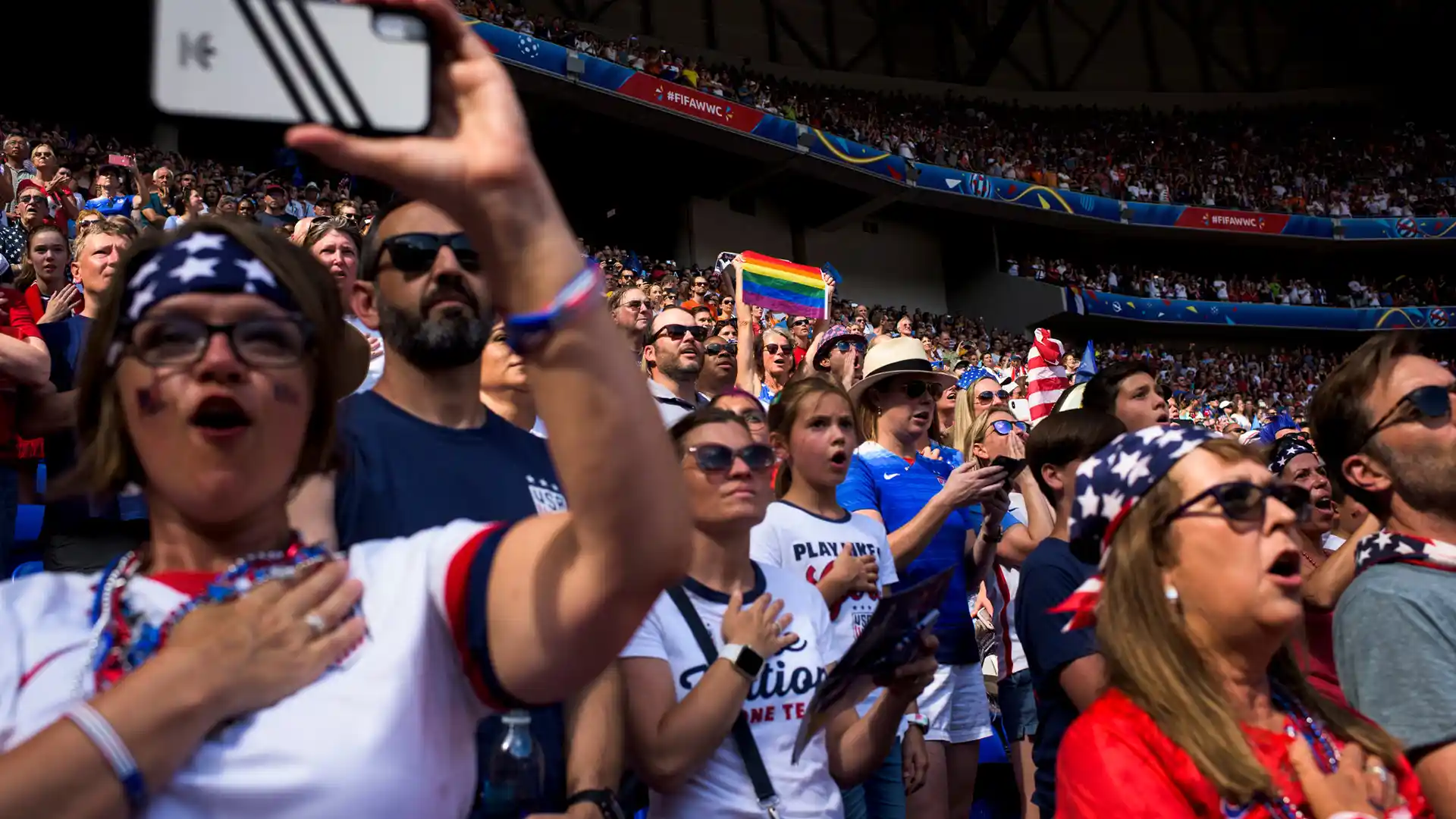
The United States is gearing up for what officials describe as one of the most extraordinary travel waves ever associated with a global sporting competition. With the nation preparing to co-host the 2026 FIFA World Cup alongside Mexico and Canada, federal agencies are making long-term operational changes to manage an expected flood of international visitors. The scale of the event—spread across multiple major American cities—has triggered early logistical planning, and one of the most significant steps so far involves the country’s visa-processing system.
As part of these preparations, the U.S. Department of State has announced that it will dramatically increase the number of visa interview appointments available to applicants worldwide. Millions of additional slots are being created across U.S. embassies and consulates, an initiative that senior officials are describing as one of the most extensive global visa expansion efforts the country has ever undertaken. The move is intended to ensure that international fans, support staff, sports professionals, and visitors have a fair opportunity to complete the visa application process well before the tournament begins.
In a written reply shared with Khaleej Times, the U.S. Embassy in Abu Dhabi confirmed that this surge in visa appointments is part of a much larger strategy aimed at accommodating unprecedented travel demand. According to the embassy, coordination between Washington and diplomatic missions worldwide is already in full swing, even though the tournament is still more than a year away. Embassy officials emphasized that planning early is essential to avoid bottlenecks that could hinder fans’ ability to enter the United States smoothly.
A spokesperson for the U.S. Embassy explained that the Department of State is deeply committed to ensuring that travelers who wish to attend the 2026 World Cup have the opportunity to secure a visa in time. The spokesperson noted that millions of interview spots will be opened gradually across hundreds of diplomatic posts, covering regions with historically high demand such as South Asia, the Middle East, Latin America, and parts of Africa. This wide-reaching expansion, the official added, reflects the magnitude of the upcoming tournament, which the United States views as a landmark event with global significance.
The spokesperson went on to describe the 2026 World Cup as “the largest and most spectacular edition of the FIFA tournament ever hosted,” citing the expanded 48-team format and the expectation that matches in the United States will attract record-breaking audiences. U.S. consular operations, they explained, must be prepared not only for soccer fans but also for the large influx of additional personnel who typically accompany such global events—media teams, corporate delegations, sports delegations, volunteer groups, and international organizations involved in coordination and security.
Behind the scenes, U.S. consular teams have already started assessing staffing needs and adjusting internal workflows. Many embassies and consulates are reportedly preparing to extend working hours, hire temporary staff, or reassign trained officers to high-demand posts as the peak World Cup period approaches. Some missions will also rely on remote or shared processing technologies to speed up administrative tasks and reduce processing times.
Officials say the intention is to avoid the long delays that have, in the past, affected applicants during periods of heightened demand. The centralized coordination is meant to ensure that all missions operate with a uniform understanding of expected workloads and standard procedures, thereby ensuring smooth processing across the board. The planned ramp-up represents a major logistical undertaking, one that involves monitoring projected travel patterns, forecasting application surges, and balancing resources across different regions.
The decision to expand visa capacity stems from lessons learned over the past decade. High-profile international events—such as the Olympics, previous FIFA World Cups, or World Expo gatherings—have historically caused sudden spikes in visa applications. In some cases, applicants faced lengthy wait times due to staffing shortages or inadequate preparation. The United States aims to avoid repeating such scenarios in 2026, particularly because the upcoming World Cup is expected to draw significantly larger crowds than previous tournaments.
Demand is projected to come not only from countries with strong football traditions but also from regions with growing interest in international travel. Travel analysts predict particularly strong attendance from countries such as India, Nigeria, Mexico, Brazil, the UAE, Saudi Arabia, and the Philippines. In many of these regions, U.S. consulates already experience high application volumes, and the World Cup is expected to drive those numbers even higher. For that reason, the Department of State has chosen to begin preparing well in advance, giving embassies adequate time to expand operations, test new systems, and refine procedures.
In addition to expanding interviews, some U.S. embassies may increase the availability of interview waivers for eligible applicants, particularly those renewing visas. This would help reduce in-person traffic at consulates, freeing up interview slots for first-time travelers—many of whom are likely to be soccer fans planning trips to the U.S. for the first time. The Department of State has been steadily promoting interview waiver programs since the COVID-19 pandemic, and the 2026 World Cup is expected to accelerate their use.
The U.S. government has also been coordinating with airlines, tourism boards, and private-sector partners to anticipate travel trends and ensure adequate infrastructure to support the influx of arrivals. Airports, immigration checkpoints, and stadium cities across the U.S. are expected to undergo additional preparations, including increased staffing, special entry lanes, and multilingual support for arriving passengers. Though these efforts are separate from visa processing itself, they form part of the broader strategy to ensure a smooth experience for visitors attending the tournament.
Meanwhile, the World Cup host cities—such as New York, Los Angeles, Dallas, Atlanta, Miami, Seattle, and others—are making their own preparations, as each anticipates hosting tens or even hundreds of thousands of visiting fans. Local governments are coordinating with federal agencies to address transportation, accommodation availability, crowd management, and public safety. Visa processing, while handled at the federal level, remains one of the first and most critical steps that international travelers must complete before their journey begins.


U.S. officials have emphasized that the early preparations reflect the country’s desire to welcome the world with minimal barriers. They believe that expanding visa accessibility is not only necessary for logistical reasons but also an opportunity to strengthen diplomatic engagement and build goodwill with travelers from across the globe.
As planning intensifies over the next two years, embassies and consulates are expected to share regular updates with the public. Travelers hoping to attend the tournament are encouraged to begin monitoring visa availability well before the event and to apply early once their travel plans solidify.
The expansion of visa interview availability by the United States is being carried out on a truly global scale, rather than being confined to a single geographic area. Across multiple regions, U.S. consular teams are actively coordinating to ensure that individuals planning to travel for the 2026 FIFA World Cup have ample opportunity to complete the visa process without unnecessary delays. The initiative encompasses embassies and consulates in countries across Europe, the Middle East, Asia, Africa, and the Americas, reflecting the broad international interest that the tournament is expected to generate.
In the Middle East, for instance, the U.S. Embassy in Abu Dhabi and the consulate in Dubai are preparing to handle a substantial increase in visa applications. Officials there have indicated that the consular staff is expanding interview slots, extending office hours where possible, and mobilizing additional personnel to manage the expected surge. These efforts aim to ensure that football fans from the region—many of whom will be traveling for the first time to the United States—can schedule their interviews well in advance of the opening match. Similarly, U.S. missions in other high-demand countries are implementing parallel measures, underscoring the comprehensive nature of the worldwide approach.
The initiative is part of a broader, coordinated strategy designed to prevent bottlenecks in the visa application process, which could otherwise hinder international fans from attending the tournament. By opening millions of additional appointments across multiple continents, U.S. consular teams hope to distribute the workload evenly and make it feasible for applicants from different countries to secure timely interviews. The global scope of this plan ensures that the increased demand will not overwhelm any single embassy or consulate, allowing for smoother operations and a better experience for travelers.
Officials have emphasized that this is not a routine adjustment but one of the largest international consular efforts the United States has undertaken in recent history. The worldwide expansion reflects both the anticipated volume of visitors for the World Cup and the desire to make the visa process as accessible as possible for fans who wish to experience the tournament firsthand. By providing early and abundant access to interview slots, the Department of State aims to give applicants sufficient time to complete their paperwork, prepare for interviews, and make travel arrangements with confidence.
Moreover, this global approach also ensures consistency in processing and communication across regions. By coordinating efforts between different countries, consular teams can share best practices, monitor appointment availability, and adjust resources as needed. This proactive strategy is expected to minimize last-minute complications and provide applicants with clear guidance on scheduling and documentation requirements.
In essence, the United States is demonstrating that its preparations for the 2026 FIFA World Cup extend far beyond domestic planning. By mobilizing consular teams around the world, including in key hubs like the UAE, it is working to ensure that international fans have every opportunity to participate in what is anticipated to be the largest and most widely attended edition of the tournament in history. This global effort underscores the country’s commitment to facilitating access, reducing administrative hurdles, and welcoming visitors from all corners of the globe to enjoy the excitement of the World Cup.




The U.S. Embassy highlighted that special measures are being put in place to prioritize visa interviews for individuals who have purchased official FIFA World Cup tickets. By giving ticket holders preferential access to appointment slots, the Embassy aims to ensure that fans traveling to the United States for the tournament can complete the necessary visa procedures in a timely manner, avoiding the long waiting periods that can sometimes occur during periods of high demand. This prioritization is particularly important given the anticipated surge of applicants from around the globe, as the 2026 FIFA World Cup is expected to attract millions of visitors to the country, many of whom are eager to secure their travel plans well in advance. Ensuring that those with confirmed tickets are able to navigate the visa process efficiently is a key component of the United States’ broader strategy to accommodate the massive influx of international fans.
While the Embassy has not released a detailed breakdown of how these interview slots will be distributed across individual countries, officials confirmed that the initiative is being coordinated centrally from Washington, D.C. This centralized approach allows the Department of State to manage the allocation of appointments with a level of precision and oversight that would be difficult to achieve if handled independently by each consulate or embassy. By overseeing operations from a central point, U.S. authorities can make adjustments in real time, respond to fluctuations in demand, and ensure that resources are directed to the regions where they are most needed. The goal is to maintain a consistent and equitable approach, giving applicants from high-demand countries an equal opportunity to schedule interviews and complete their visa applications.
Centralized management also allows the U.S. government to implement uniform policies and procedures across all consulates and embassies handling World Cup-related applications. This coordination helps to prevent confusion among applicants and ensures that the process is transparent and fair, regardless of where in the world a traveler is applying. By monitoring appointment availability and balancing capacity across multiple high-demand regions, officials can reduce the likelihood of bottlenecks, overbooking, or other logistical challenges that could delay visa approvals. This system of oversight also enables the Department of State to prioritize those applicants with confirmed event tickets while still accommodating other travelers who need visas for general purposes, maintaining overall operational efficiency.
The Embassy’s approach underscores the unprecedented scale of the logistical effort required to support the 2026 FIFA World Cup. Millions of fans are expected to travel from multiple continents, and coordinating visa interviews at such a massive scale is a significant undertaking. Officials stress that the combination of prioritizing ticket holders and managing operations centrally from Washington is designed to prevent the kind of delays and backlogs that often occur when demand spikes. It is a proactive strategy aimed at ensuring a smooth, predictable, and fair process for everyone involved.
By implementing these measures, U.S. authorities are signaling that they are fully prepared to handle one of the largest surges of international visitors in sporting history. While exact numbers of allocated interview slots per country remain undisclosed, the overarching emphasis is on fairness, transparency, and accessibility. Fans holding FIFA tickets can thus proceed with greater confidence that their visa formalities will be completed efficiently, allowing them to focus on planning their journey to the United States and enjoying the World Cup experience without unnecessary administrative obstacles.
The U.S. Embassy has emphasized that the extensive preparations underway reflect the unprecedented scale of the 2026 FIFA World Cup, which is set to be one of the largest sporting events in history. Officials acknowledged that the tournament’s global appeal, combined with the anticipated influx of millions of visitors, necessitates careful planning and robust logistical arrangements to ensure that international travelers can access the United States efficiently and without unnecessary delays. In a statement, a spokesperson for the Embassy highlighted that the nation is fully ready to welcome fans, teams, and officials from all corners of the world, signaling a commitment to providing a smooth and welcoming experience for everyone attending the games.
One of the central elements of this preparation involves the allocation of visa interview appointments. The Embassy confirmed that priority will be given to individuals who hold official FIFA World Cup tickets. This means that ticket holders will have the first opportunity to schedule appointments, enabling them to complete their visa requirements well in advance of the tournament’s start. The prioritization of these appointments is designed to minimize the risk of delays or complications for fans who have already secured their seats for matches, ensuring they can plan their travel with confidence. Embassy officials emphasized that this step is crucial given the anticipated volume of applicants from across the globe, as the 2026 World Cup is expected to draw unprecedented crowds to stadiums in the United States.
The spokesperson noted that this approach reflects a broader strategy aimed at managing the global demand for visa interviews efficiently and equitably. While exact details regarding the number of slots available or the precise allocation by country have not yet been released, the Embassy stressed that operations are being coordinated centrally from Washington, D.C. Centralized management allows the Department of State to oversee the process in a consistent manner, ensuring that capacity is appropriately distributed across high-demand regions and that applicants worldwide are treated fairly. This oversight also enables consulates to adjust operations dynamically in response to fluctuations in demand, providing flexibility and avoiding potential bottlenecks.
Although the specifics of the FIFA PASS system—the platform that ticket holders will use to verify and manage their attendance—will only be officially announced in early 2026, the Embassy’s commitment to expanding visa availability and prioritizing ticket holders has already provided reassurance for fans. Many travelers had expressed concern about long waiting times and the possibility of missing critical deadlines, given the sheer number of people expected to apply for visas in the months leading up to the tournament. By confirming that additional interview slots will be made available and that ticket holders will be given priority access, the Embassy has alleviated a significant portion of that uncertainty, allowing fans to feel more confident about planning their trips.
Officials also highlighted that these measures are part of a coordinated, worldwide effort. U.S. consulates and embassies across multiple continents are working together to ensure that applicants have equitable access to the expanded appointments. This includes regions with particularly high demand, such as South Asia, the Middle East, Latin America, and parts of Africa. By managing the allocation of appointments globally, authorities aim to maintain consistency and fairness, ensuring that fans from every part of the world can secure an interview in time. The strategy reflects the unprecedented scale of the tournament and underscores the commitment of U.S. authorities to accommodate the massive influx of visitors expected in 2026.
The Embassy’s announcement also serves as a signal of readiness and reassurance to fans, travel agents, and sports organizations alike. By highlighting that priority will be given to FIFA World Cup ticket holders, the U.S. government is making clear that it understands the unique challenges posed by such a high-profile, high-demand event. This proactive approach is intended to prevent last-minute stress for travelers and to allow them to focus on planning their journeys, including flights, accommodations, and event attendance, without being hindered by administrative delays.
In summary, the Embassy’s statement reflects a multifaceted and meticulously planned approach to one of the largest global sporting events ever hosted in the United States. By expanding visa appointments worldwide, prioritizing ticket holders, and centralizing coordination from Washington, the U.S. is demonstrating its commitment to facilitating smooth entry for international visitors. The reassurance provided by these measures is particularly significant for fans concerned about potential delays, and it reinforces the message that the country is fully prepared to welcome the world in celebration of the 2026 FIFA World Cup.